
Why Choosing Flame Resistant Clothing Based Only on Fabric Weight Is a Common—and Dangerous—Mistake
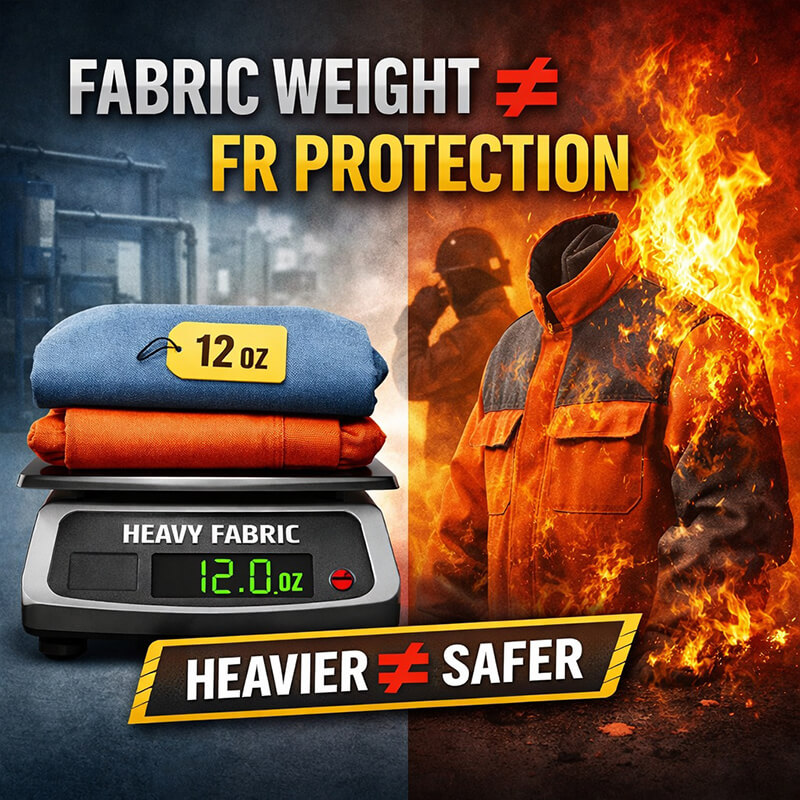
Many buyers assume that heavier flame resistant clothing offers better protection. In reality, fabric weight only describes how heavy a garment is—not how it performs under thermal hazards. This article explains why relying on GSM alone can be misleading, and what truly matters when selecting flame resistant clothing for real-world safety.
Inherent vs Treated Flame-Resistant Fabrics: Which One Truly Protects Workers?
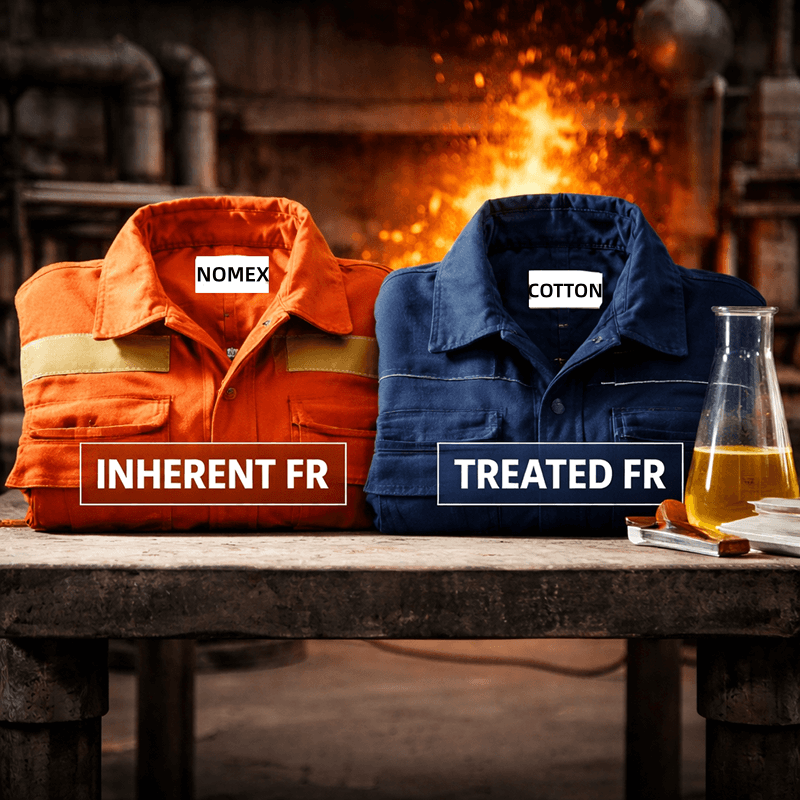
Inherent and treated flame-resistant fabrics offer different levels of protection. This article explains their characteristics, advantages, and limitations, helping employers select the right FR clothing for worker safety and thermal protection.
Why “Flame Resistant” Does Not Always Mean Real Thermal Protection

Flame-resistant clothing is designed to resist ignition and self-extinguish, but this does not automatically guarantee effective thermal protection. This article explains the critical differences between flame resistance and real heat protection, helping readers understand what truly matters when selecting FR clothing for high-temperature work environments.
From Dust to High Impact: The Fundamental Protection Logic Differences Between Blasting PPE and Painting PPE

Painting and abrasive blasting may look similar, but their PPE requirements are fundamentally different. This article explains how liquid penetration and high-impact abrasion define two completely different protection logics—and why these PPE types should never be mixed.
Why Do Painting Protective Suits Focus on Liquid Penetration Resistance, While Blasting PPE Prioritizes Abrasion Resistance?

Painting protective suits are designed to block liquid paint and chemical penetration, while blasting PPE is built to withstand constant abrasive impact. Understanding these differences helps ensure the right protective clothing is used for each application.
Painting Hoods vs Blasting Helmets: The Safety Logic Behind Structural Differences

Painting hoods are lightweight with efficient filtration for paint fumes, while blasting helmets are sturdy with independent air supply for dust protection. Their structural differences stem from distinct operational hazards.
Why Painting PPE Cannot Be Used for Sandblasting Operations

Painting PPE cannot replace sandblasting PPE due to high dust, abrasive impact, and long-duration risks. Proper PPE selection is essential for worker safety.
Can Painting PPE and Blasting PPE Be Used Interchangeably? When Is It Not Recommended?

Understand the differences between painting PPE and blasting PPE, when they can be temporarily interchanged, and when strict separation is necessary for safety.
Understanding EN 455: Ensuring Safety with Medical Disposable Gloves
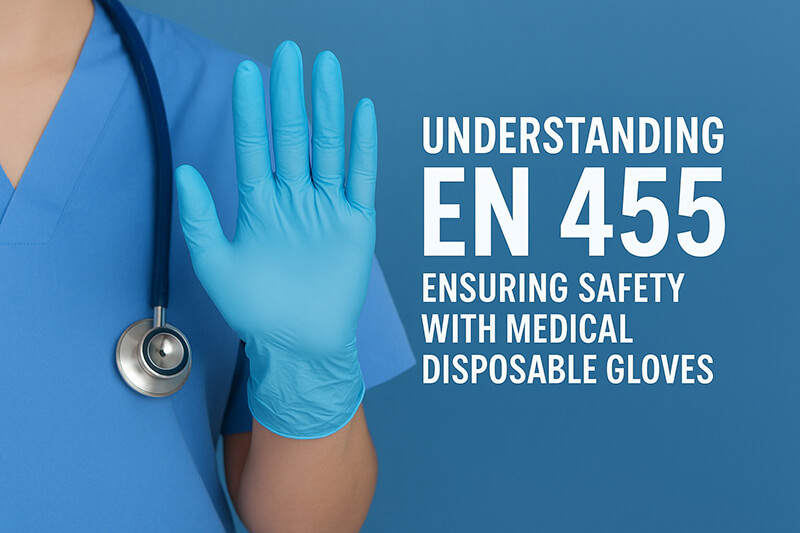
Discover how EN 455 standards ensure safety, durability, and reliability for medical disposable gloves in healthcare. Learn key benefits and how to choose the right gloves.
Understanding EN 407: A Practical Guide to Choosing the Right Heat-Resistant Gloves

The EN 407 standard rates heat-resistant gloves for flame, contact heat, radiant heat, and molten metal protection (levels 1-4). This guide explains how to pick the right gloves for welding, metalwork, or foundries—avoiding overprotection or safety risks. Match EN 407 ratings (e.g., 423X4X) to your needs for optimal safety and comfort.
How to Understand EN 388 and EN 374: A Practical Guide to Choosing the Right Safety Gloves
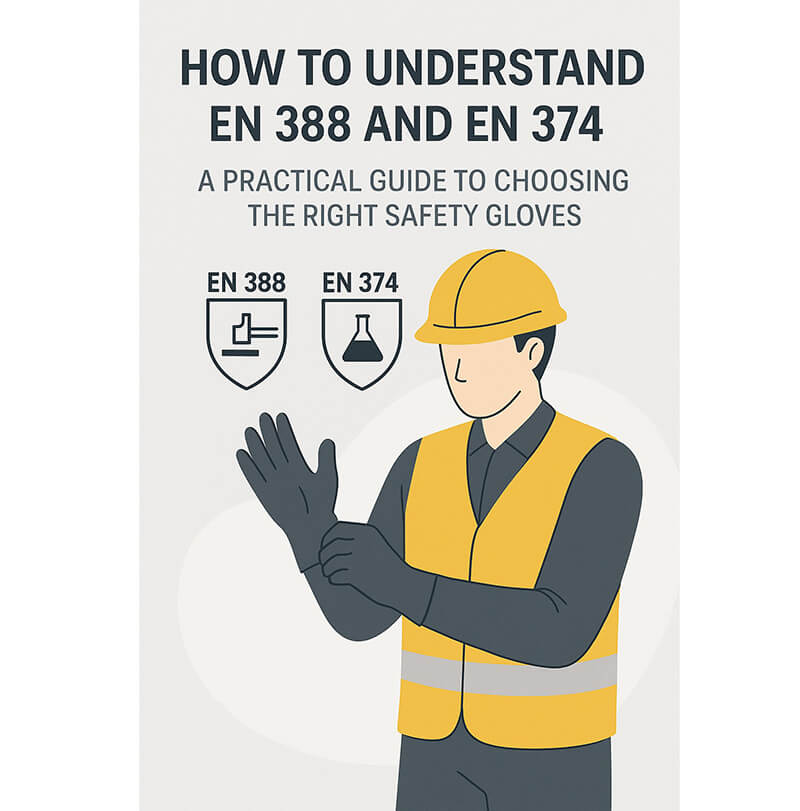
Choosing the right safety gloves starts with understanding EN 388 and EN 374. This guide breaks down mechanical protection ratings, chemical resistance symbols, and how to match glove performance with real-world tasks—helping you select gloves that truly protect.
How to Understand EN ISO 20345: A Simple Guide to Choosing the Right Safety Shoes
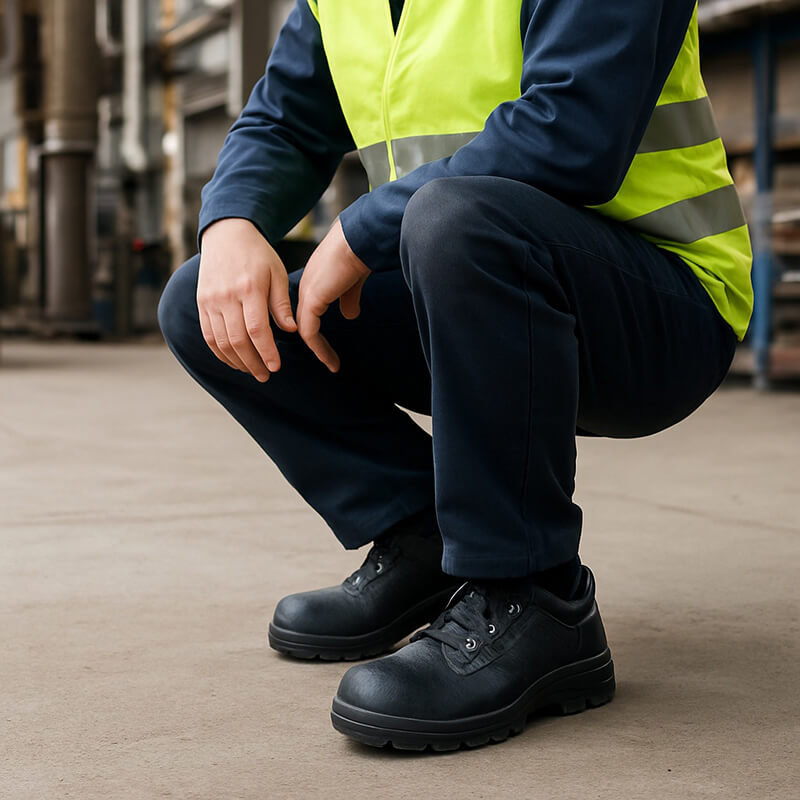
EN ISO 20345 is the key standard for safety shoes, but many buyers aren’t sure how to interpret S1, S3, SRC, or puncture-resistant labels. This guide breaks down the standard in a clear, practical way to help workers and procurement teams choose the right safety shoes without confusion or overspending.