
PPE Blind Spots on Construction Sites: Are You Overlooking Them?

Discover the hidden PPE blind spots on construction sites that even experienced workers may overlook. Learn how proper ear protection, respiratory gear, gloves, fall safety, visibility, and PPE maintenance can prevent accidents and protect lives.
The Hidden Risks in Logistics Warehouses: What PPE Do You Really Need?
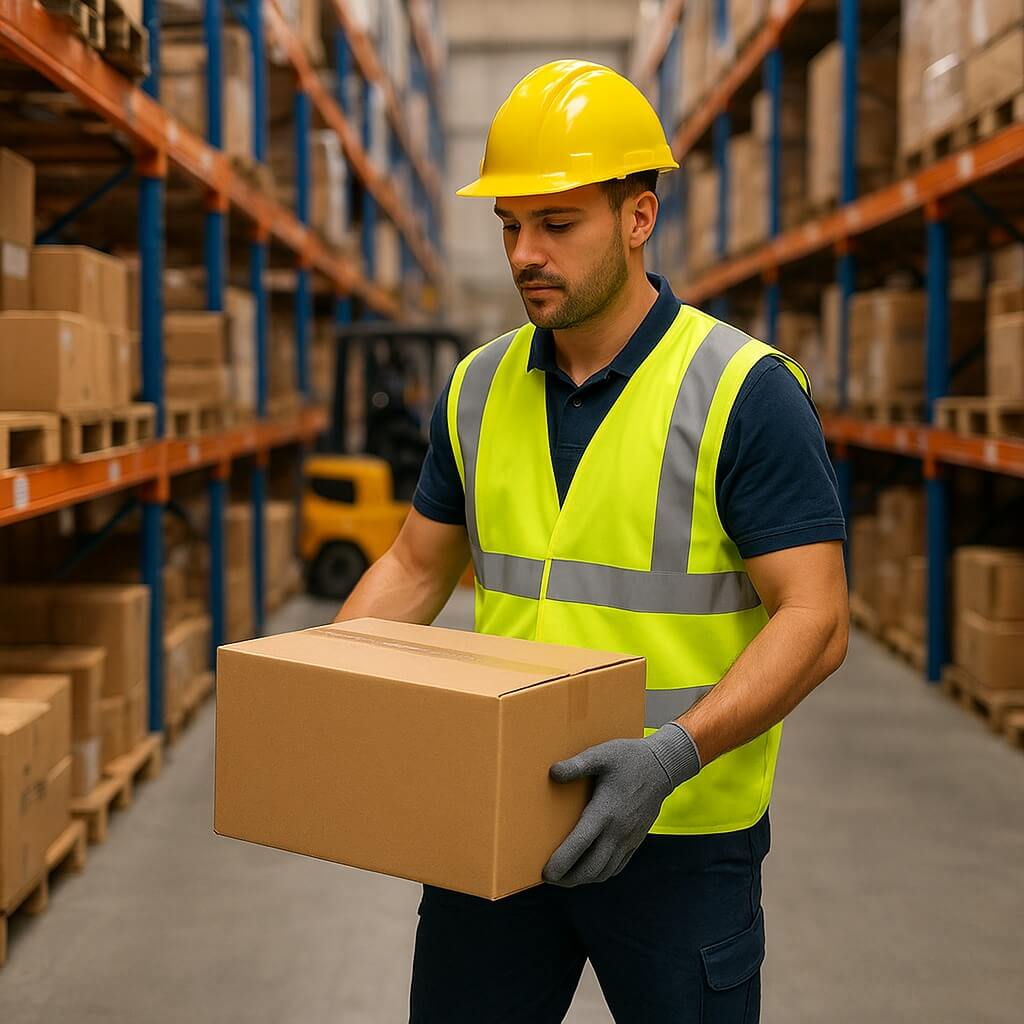
Warehouses may look safe, but hidden risks—from falling objects to noise and chemical exposure—are everywhere. Discover the essential PPE that keeps logistics workers protected on the job.
How Can Businesses Balance PPE Costs and Safety Value?
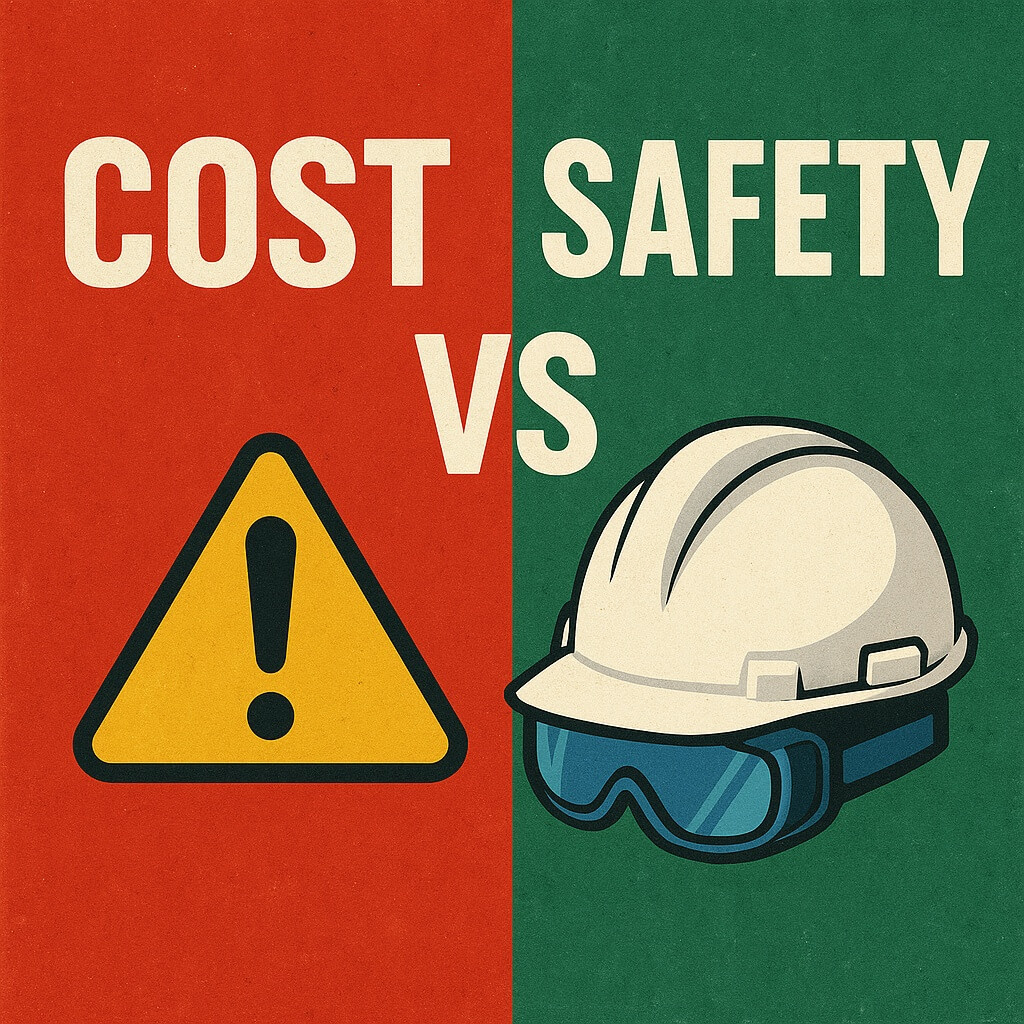
Balancing PPE costs with safety is a challenge for many businesses. This blog explores why PPE should be seen as an investment, how to manage expenses without compromising protection, and practical ways to achieve both safety and cost-effectiveness.
The Future of PPE: How CHEAMY Brings Innovation to Everyday Safety

CHEAMY is shaping the future of PPE by combining innovation, comfort, and smart safety solutions. From ergonomic designs to intelligent equipment, we go beyond protection to create everyday safety.
More Than PPE: How CHEAMY Delivers Safety, Care, and Confidence

CHEAMY provides more than PPE—we deliver safety, care, and confidence. Our mission focuses on fostering a strong safety culture with reliable, high-quality protective equipment for all workers.
From PPE Supplier to Trusted Safety Partner: Why Clients Choose CHEAMY

CHEAMY is more than a PPE supplier—we are a safety partner. By focusing on quality, transparent communication, and long-term collaboration, we build strong customer trust and deliver reliable workplace protection.
Why CHEAMY PPE Proves Safety and Comfort Can Go Hand in Hand

Discover how CHEAMY PPE combines workplace protection with unmatched comfort. Learn why safety doesn’t have to compromise productivity, and how our ergonomic designs make all the difference.
Why CHEAMY? The Story Behind Our Brand Name and What It Stands For

CHEAMY is a PPE brand inspired by family, founded to bring safety, comfort, and reliability to every worker. Named after the founder’s daughter, the brand emphasizes “Safety Meets Comfort” through high-quality protective gear and dedicated customer support, turning everyday PPE into a trusted shield for the workplace.
Genuine Leather Gloves vs. Synthetic Gloves: Which Is Best for Your Work Environment?

Choosing the right gloves can protect your hands and improve efficiency. Learn the pros and cons of genuine leather and synthetic gloves, and determine which one fits your work needs.
How Long Do Leather Gloves Last? Practical Guide to Choosing High-Quality Leather Gloves

This guide explores the lifespan of leather gloves and offers expert tips on choosing the best ones for your needs, ensuring comfort, safety, and long-lasting performance.
What Are the Different Types of Leather Gloves?

Leather gloves are categorized by material (cowhide, pigskin, sheepskin, deerskin), purpose (protective, work, driving, outdoor), and design (full-finger, half-finger, lined, reinforced). This guide explores their features and selection tips for industrial, driving, and outdoor use—balancing protection, comfort, and durability.
Which Industries Are Leather Gloves Best Suited For?

Leather gloves are durable, heat-resistant, and protective. They are widely used in construction, welding, logistics, automotive, and agriculture. At CHEAMY, we deliver PPE that combines safety with comfort.