 Skip to content
Global Standards Compliance: How Honeywell T8000 Meets Europe’s Rigorous Safety Requirements
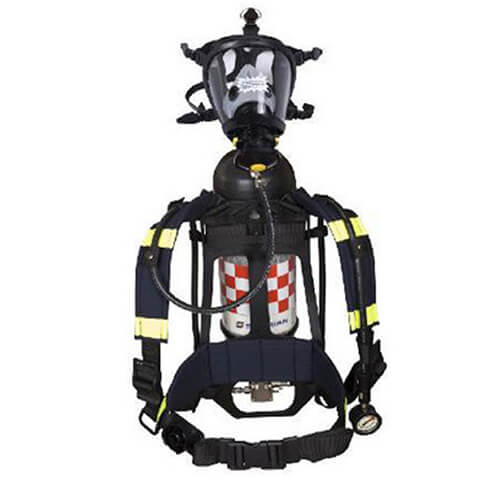
The Honeywell T8000 SCBA meets Europe’s stringent EN137-2006 standards with its carbon fiber design (10.4kg total weight), 90dB alarms, and EN469-compliant radiant heat protection. Validated in maritime/industrial emergencies, it prevents toxic gas penetration (0.003% leakage) and maintains stable airflow at -30°C. Featuring RFID-tracked maintenance (42% cost reduction) and IoT-ready connectivity, this multi-standard system bridges EN/NFPA/GB/T requirements. Future upgrades include AR visors for hazard visualization and EN1146-certified smart interfaces. With 1.2M cycle durability and 4hr EU emergency support, the T8000 redefines compliance for chemical, maritime, and EV fire scenarios while exceeding 2025 EN469:2020 Level 2 PPE mandates.
Honeywell PANO Full Facepiece: Redefining Respiratory Safety in Industrial Protection
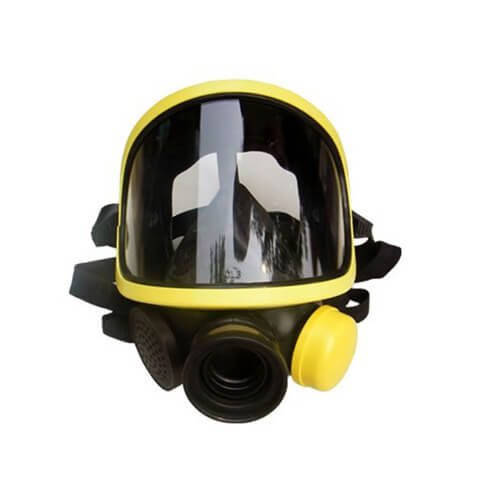
Honeywell’s EN 136-certified PANO full facepiece delivers ergonomic safety with 270° anti-fog visor and Asian-fit head harness. Features dynamic ventilation (<1% CO₂ retention) and P3 filter compatibility (99.97% efficiency). Validated in pharmaceutical/oil-gas operations with EPDM chemical resistance and -30°C/+60°C durability. Integrates with SCBA systems and reduces maintenance costs by 35% via modular design. Clinical studies show 65% situational awareness improvement through stainless steel speech diaphragm. Autoclavable components and 1500-hour MTBF ensure industrial reliability.
Industrial Safety Gear Review: How Honeywell SCBA105K Balances Comfort & High-Efficiency Protection
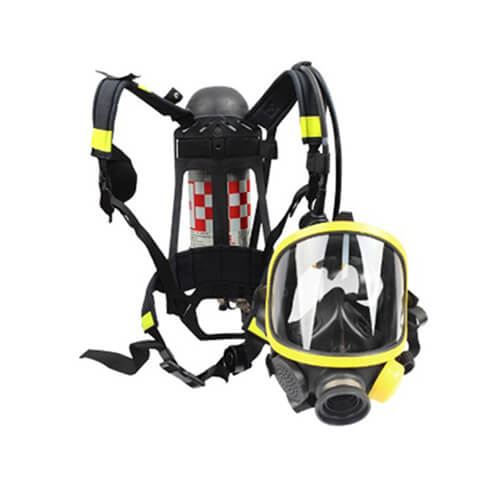
The Honeywell SCBA105K sets new benchmarks in respiratory safety with its EN 137-certified carbon fiber design, reducing operational weight to 9.8kg while maintaining 45-minute endurance. Featuring a 270° PANO visor and 450L/min stable airflow, it excels in chemical/confined space emergencies. Modular components and -30°C to +60°C certification ensure reliability across industrial extremes. Comparative analysis with NFPA 1981 standards and Draeger/MSA systems highlights its ergonomic advantages for firefighter PPE procurement.
3M SCOTT iPak Self-Contained Compressed Air Breathing Apparatus (CABA): Your Shield Against Hazardous Environments
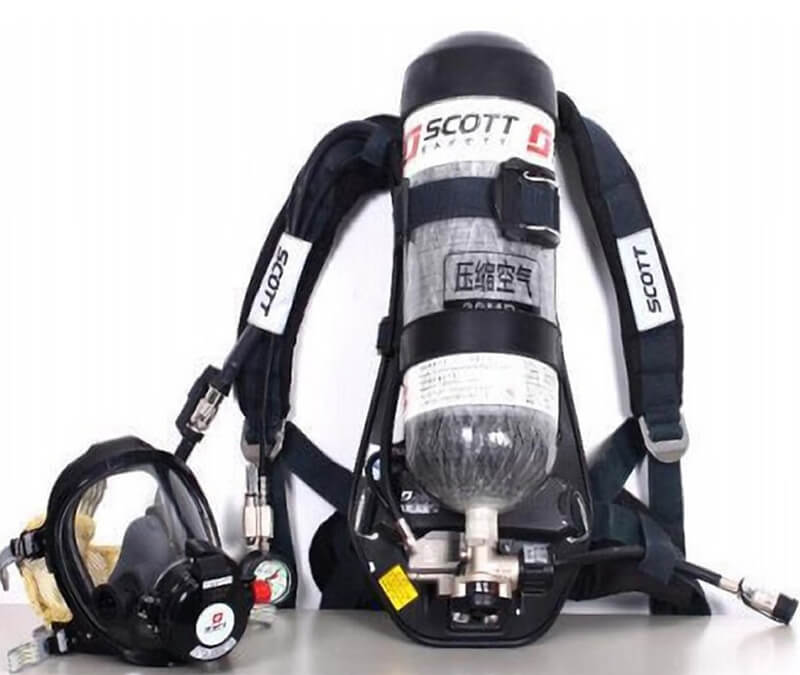
The 3M SCOTT iPak Self-Contained Breathing Apparatus (CABA) delivers EN 137-certified respiratory protection for IDLH environments like fires, chemical leaks, and confined spaces. With 375 L/min airflow, carbon fiber cylinders, and HUD pressure monitoring, it ensures safety and compliance for firefighters and industrial responders.
3M SCOTT ELSA Emergency Escape Breathing Device: Your Lifeline in Critical Situations
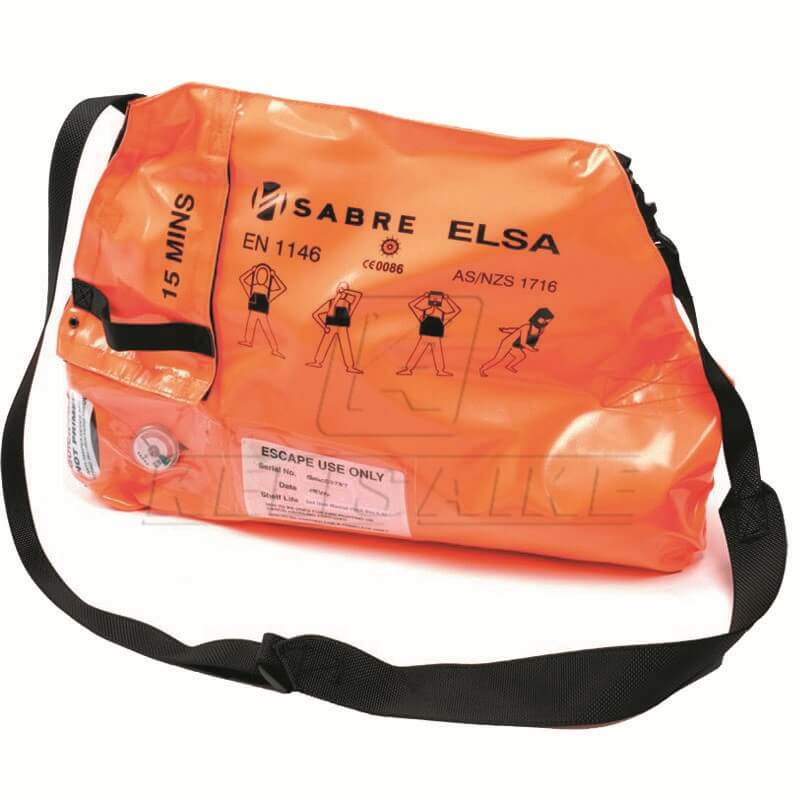
The 3M SCOTT ELSA EEBD ensures 15 minutes of breathable air during toxic gas leaks, fires, or marine accidents. With one-second activation, a flame-retardant hood, and compliance with EN1146/SOLAS standards, it’s ideal for industrial and maritime safety.
Portable Eye Wash Bottles: Essential First Aid for Chemical Splashes & Eye Injuries
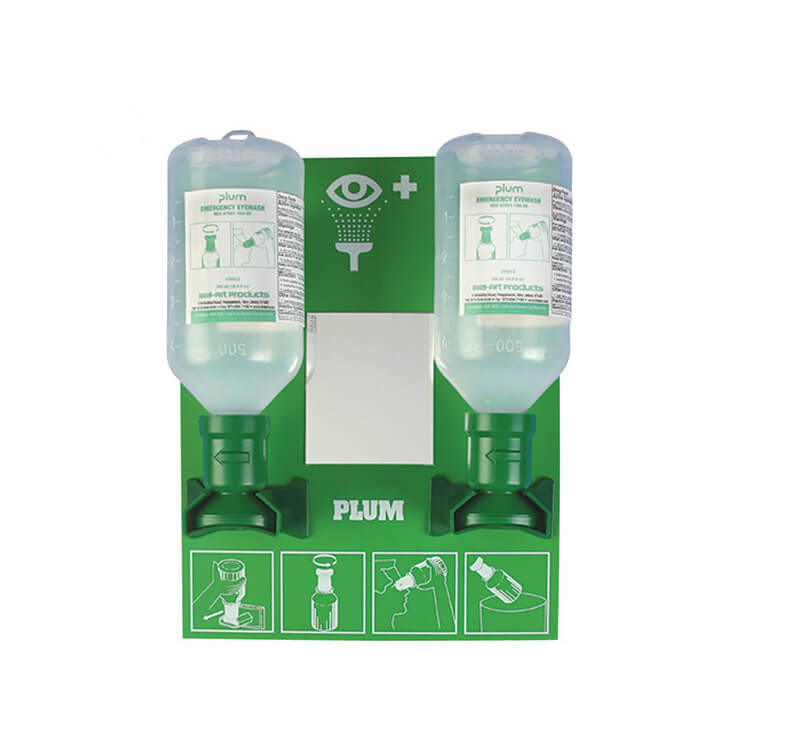
In high-risk workplaces like labs, chemical plants, and construction sites, portable eye wash bottles are critical for immediate eye decontamination. These compact, pre-filled solutions provide rapid flushing to neutralize acids, alkalis, or debris, minimizing long-term damage. Here’s a concise guide to their features, compliance, and best practices. 🔍 Core Features: Sterility, Speed, and Portability Instant Sterile […]
Portable Emergency Eye Wash Station: Your On-the-Go Safety Guardian in Labs & Industry
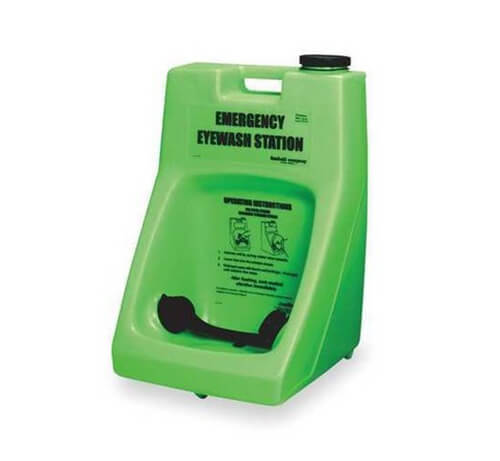
Mobile eyewash stations deliver critical 15-minute eye flushing without plumbing. Ideal for labs, remote sites, and OSHA/ANSI compliance. Explore top picks & maintenance tips.
Emergency Protection Guide: How to Build a PPE Emergency Plan for Your Business

This guide provides a step-by-step framework for creating a compliant PPE emergency response plan, covering risk assessment, inventory management, roles, and drills. Learn to align with OSHA 29 CFR 1910.38 and ISO 45001 standards, leverage digital tools like Power BI for real-time monitoring, and implement scenario-based training. Ideal for safety managers aiming to reduce workplace hazards and ensure regulatory compliance.
PVC vs Rubber Safety Boots: The Ultimate Guide to Choosing the Best Work Footwear
This guide compares PVC and rubber safety boots across weight, slip resistance, temperature tolerance, and industry standards (EN ISO 20345, ASTM), helping you choose the right protective footwear for construction, labs, or extreme environments.
Chloroprene (Neoprene) Chemical-Resistant Gloves: Ultimate Protection for Industrial & Laboratory Safety
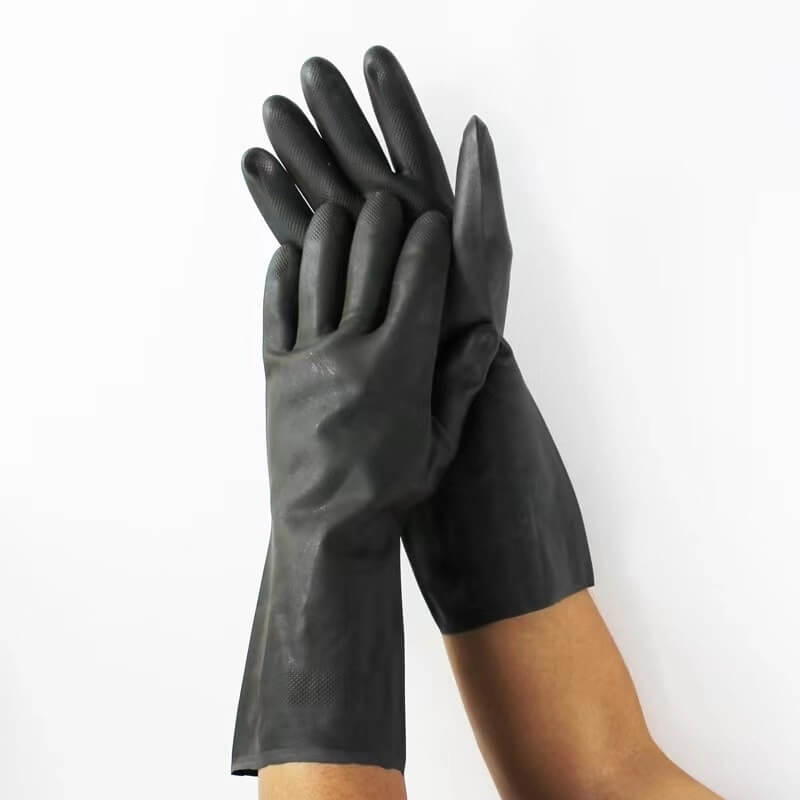
Chloroprene (neoprene) rubber gloves offer exceptional protection against oils, acids, heat, and industrial chemicals, making them indispensable for automotive, pharmaceutical, and oil/gas industries. Combining durability (3–5x stronger than latex) with flexibility across extreme temperatures (-30°C to 120°C), these latex-free gloves ensure allergy-safe handling of solvents, fuels, and biohazards. Key features include EN374 and FDA certifications, textured grips for slip resistance, and options like cotton-lined designs for extended comfort.
Butyl Synthetic Rubber Gloves: High-Performance Protection for Laboratories and Industrial Safety
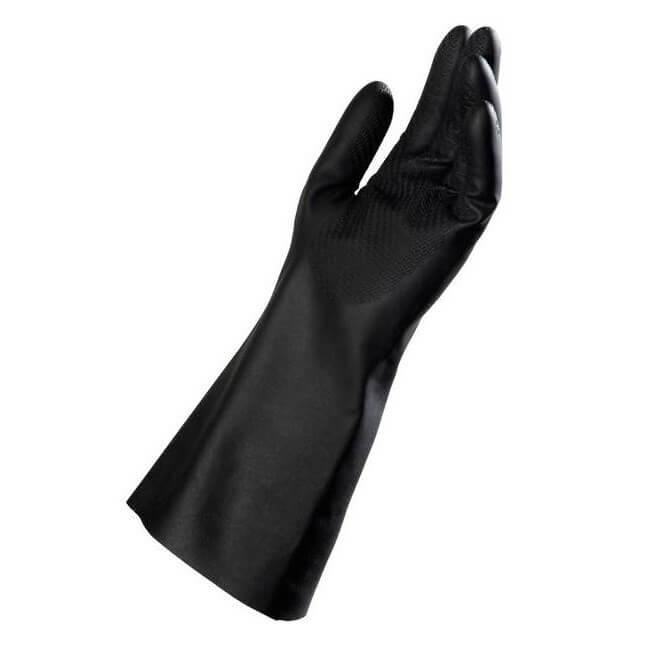
Butyl synthetic rubber gloves deliver unmatched chemical resistance and durability for high-risk industries. Engineered with ultra-low gas permeability, these gloves excel in shielding against ketones, acids, and organic solvents, even in extreme conditions. Ideal for nuclear facilities, pharmaceuticals, semiconductor manufacturing, and chemical processing, they combine flexibility (0.4–0.8mm thickness) with certifications like EN374 and FDA compliance. Top brands like Honeywell and NORTH offer specialized designs for glovebox compatibility and steam resistance. Regular inspection, pH-neutral cleaning, and avoiding aromatic solvents ensure longevity. A critical PPE choice for professionals prioritizing safety and precision.
How to Choose Chemical & Microbial Protective Gloves Under EN 374 Standards: A 2025 Guide

This guide explains the EN ISO 374:2016 standards for chemical and microbial protective gloves. It details glove classifications (Type A/B/C), expanded chemical testing (18 substances including formaldehyde), virus resistance protocols (ISO 16604 Method B), and material degradation analysis. A 5-step selection process helps users match gloves to workplace hazards, with practical tips to avoid common safety misconceptions. Essential for compliance in high-risk environments like laboratories and chemical plants.
