
Half-Mask vs Full-Face Respirators: Which One Is Right for You?
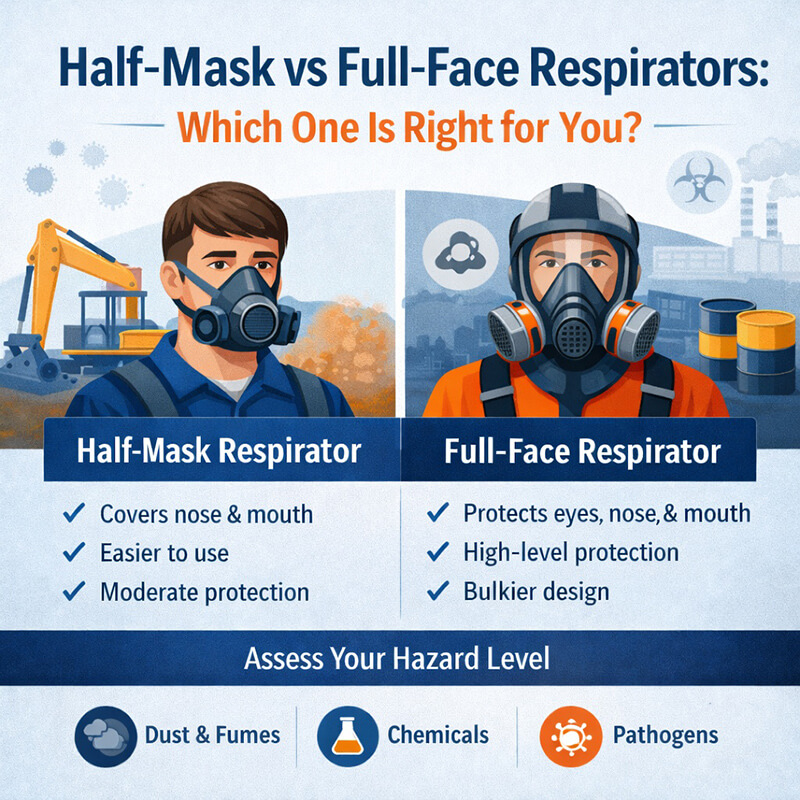
Compare half-mask and full-face respirators to understand their protection levels, advantages, and best-use scenarios, helping you choose the right respiratory protection for your workplace.
N95, FFP2, FFP3 Masks: What’s the Difference and How to Choose?
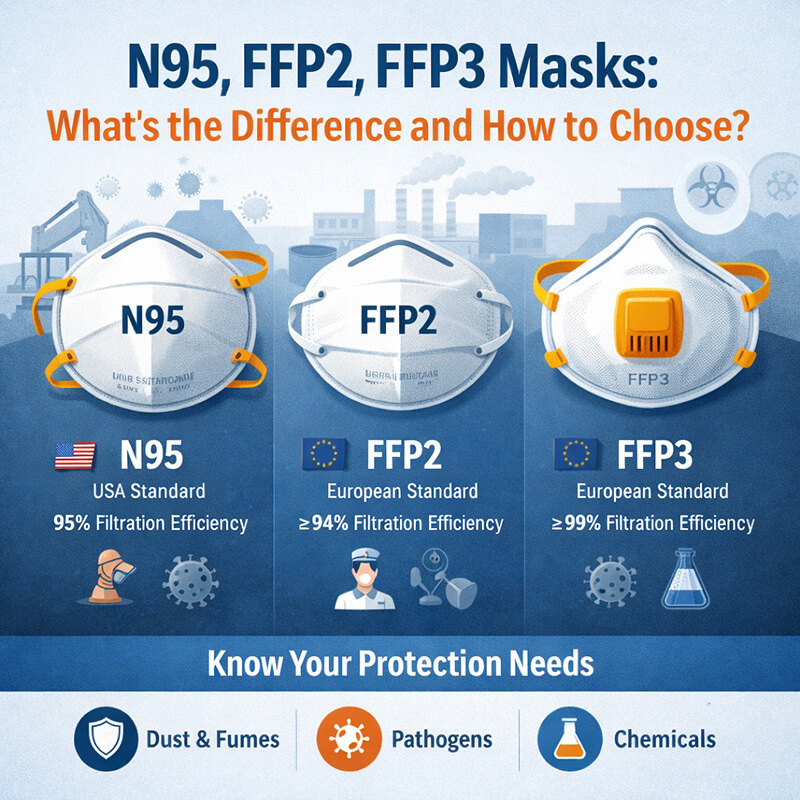
N95 Mask, FFP2 Mask, FFP3 Mask, Respiratory Protection, Airborne Particles, PPE, CHEAMY PPE, Mask Selection, Workplace Safety
When to Replace Filters or Cartridges in Respiratory Protection Equipment
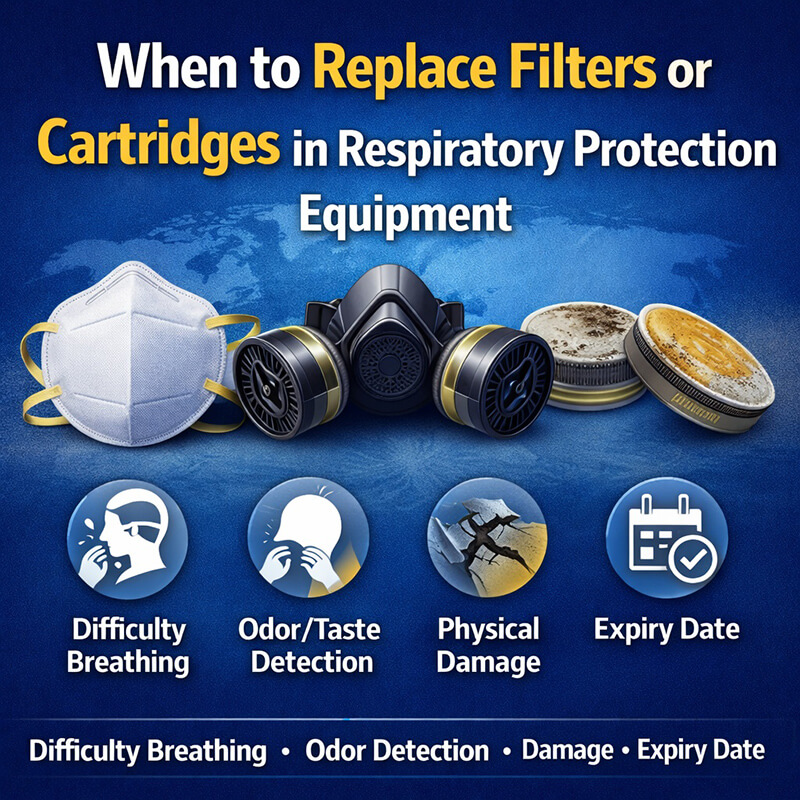
Learn when to replace filters or cartridges in respiratory protection equipment, including signs of clogging, exposure limits, and best practices for safe and effective use.
How to Ensure Compliance with Workplace Respiratory Safety Regulations
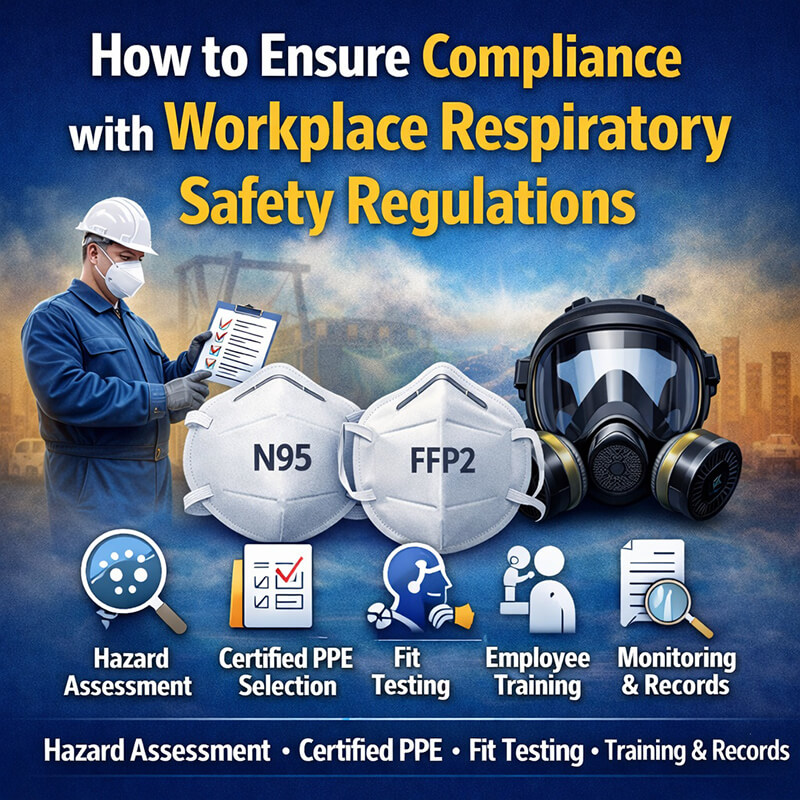
Learn how to ensure workplace respiratory safety compliance through hazard assessment, proper PPE selection, fit testing, employee training, and regular maintenance.
Understanding Respirator Standards: NIOSH, EN, and ISO Certifications
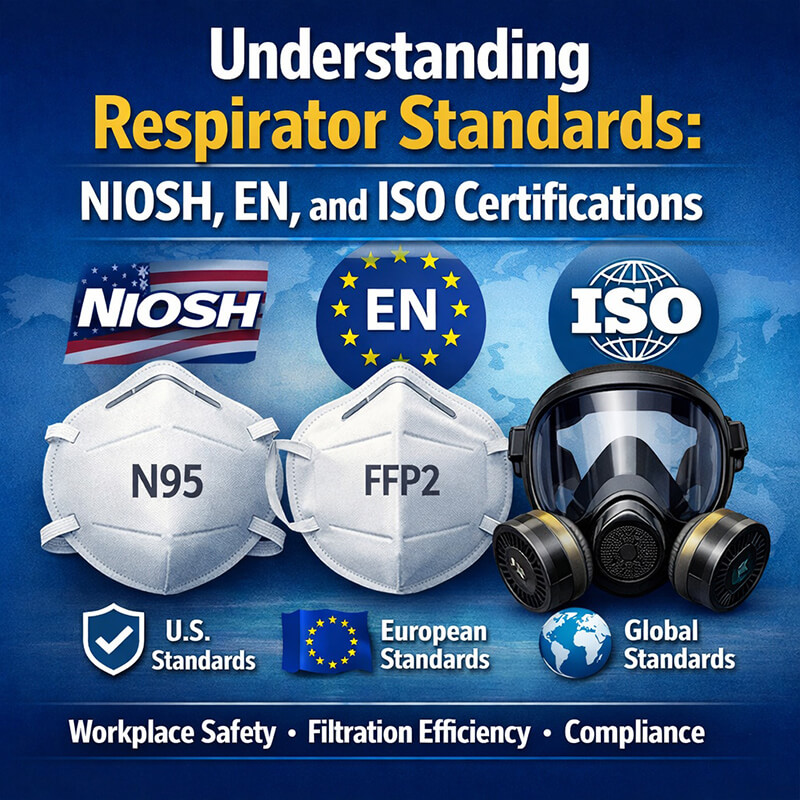
Learn the differences between NIOSH, EN, and ISO respirator standards to choose the right certified respiratory protection for workplace safety and compliance.
Ultimate Guide to Custom Coveralls: Fabrics, Weight, Style, and Full Customization Options
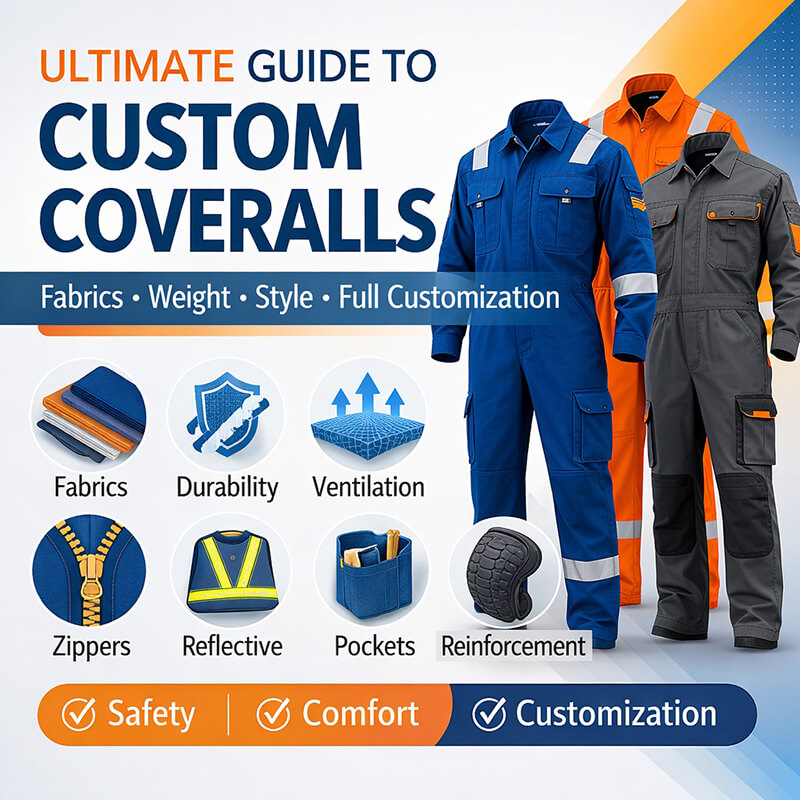
Discover how CHEAMY can fully customize your coveralls—from fabrics and weight to zippers, ventilation, knee reinforcements, reflective strips, and pockets—ensuring your team works safer, more comfortable, and more efficiently.
Custom PPE Clothing Guide: Choosing Fabric Weight, Material, and Style for Maximum Safety
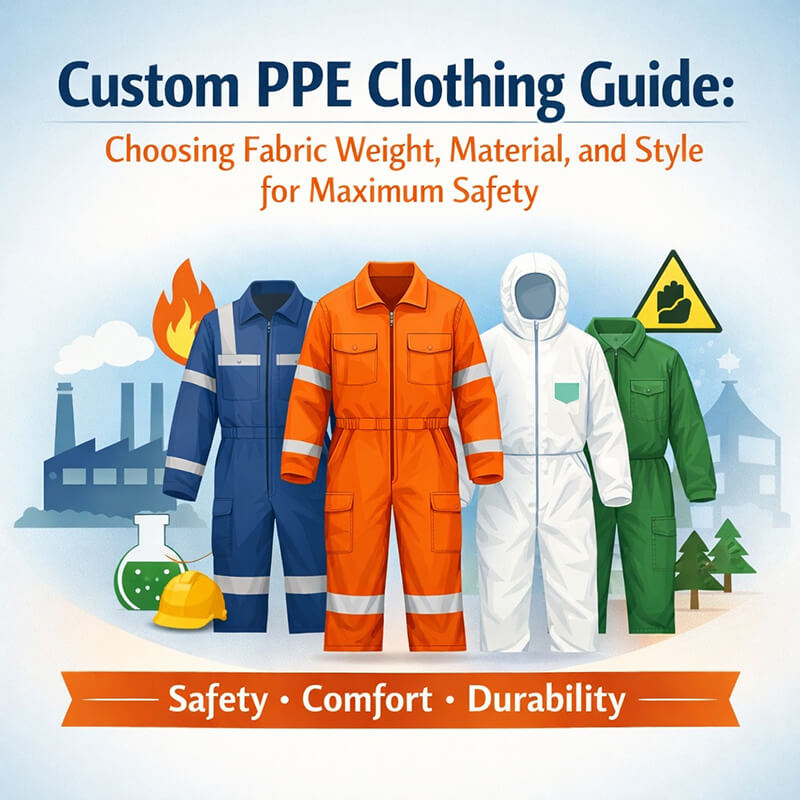
This guide helps you choose custom PPE clothing by fabric weight, material, and style. Make informed decisions to balance safety, comfort, and durability in your work environment.
Coverall Selection Guide: Disposable, Chemical-Resistant, Anti-Static, and Flame-Resistant Coveralls for Different Work Environments
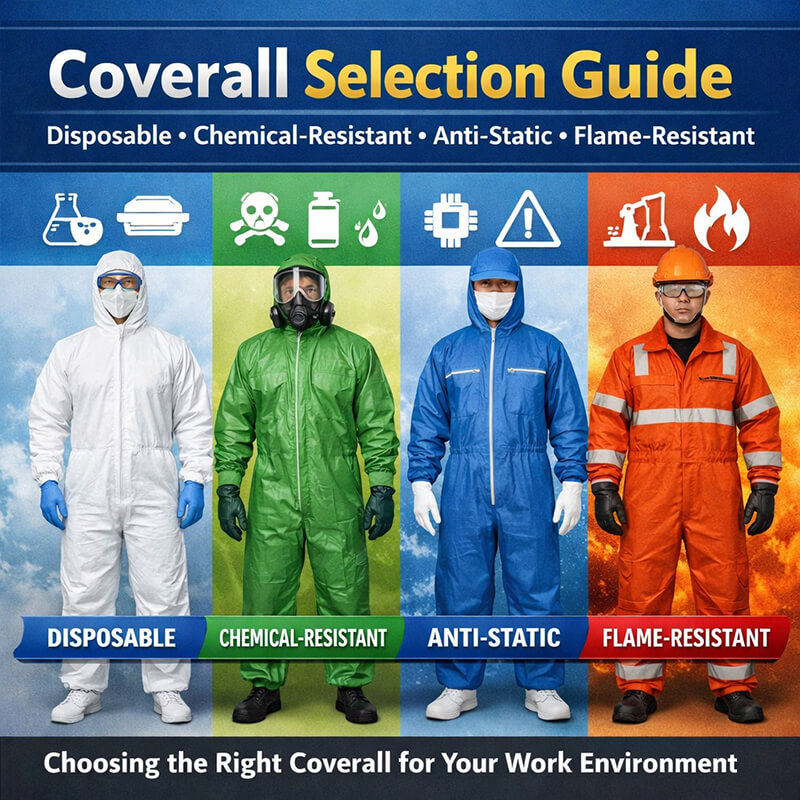
Learn how to choose the right coverall for your work environment. This guide covers disposable, chemical-resistant, anti-static, and flame-resistant coveralls, helping you stay safe and comfortable on the job.
What Are the Common Fabric Weights for Coveralls? Features of Different Weights
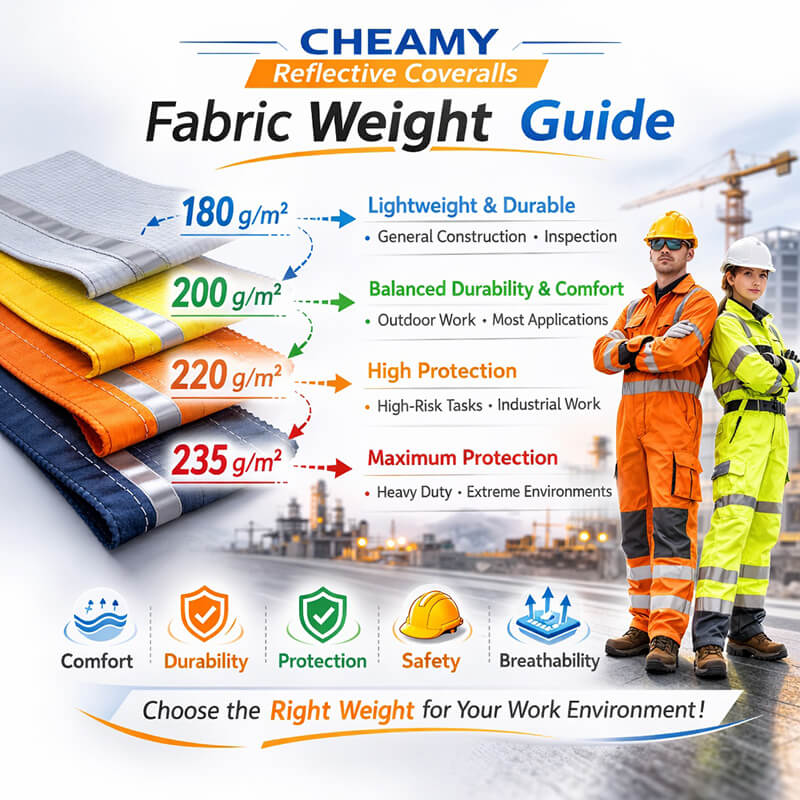
Fabric weight affects comfort, protection, and durability of coveralls. This article explains common fabric weight ranges and features, with CHEAMY reflective coverall weight references to help you choose the right PPE.
How to Choose the Right Earplugs: Corded, Wireless, and All Shapes Explained
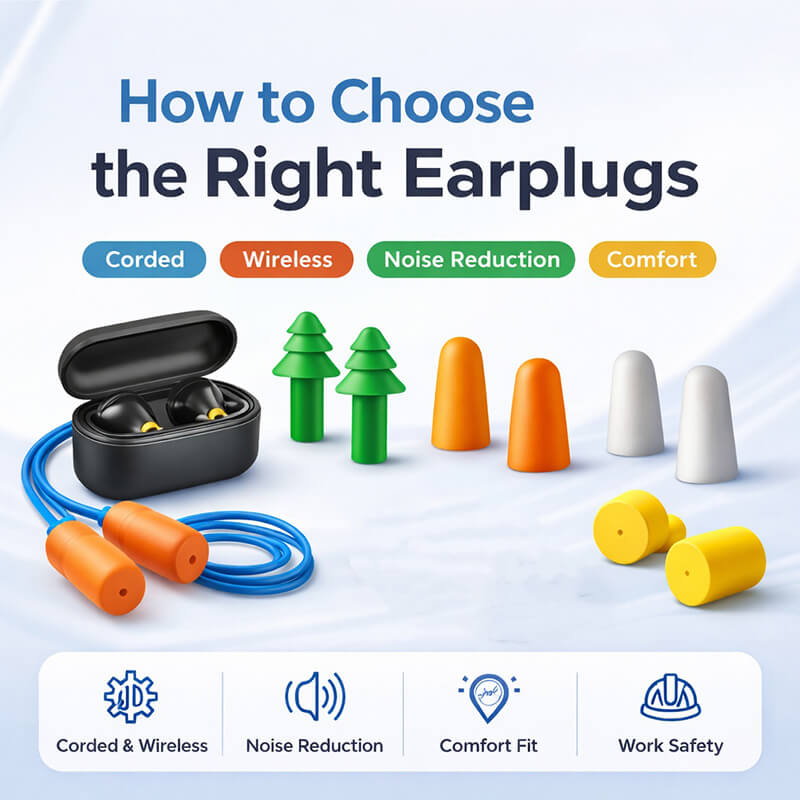
Learn how different earplug types—corded, wireless, and various shapes—impact comfort and noise protection. This guide helps you pick the best earplugs for work, sports, or daily use.
How to Choose the Right Earplugs: A Practical Guide for Workplace Safety
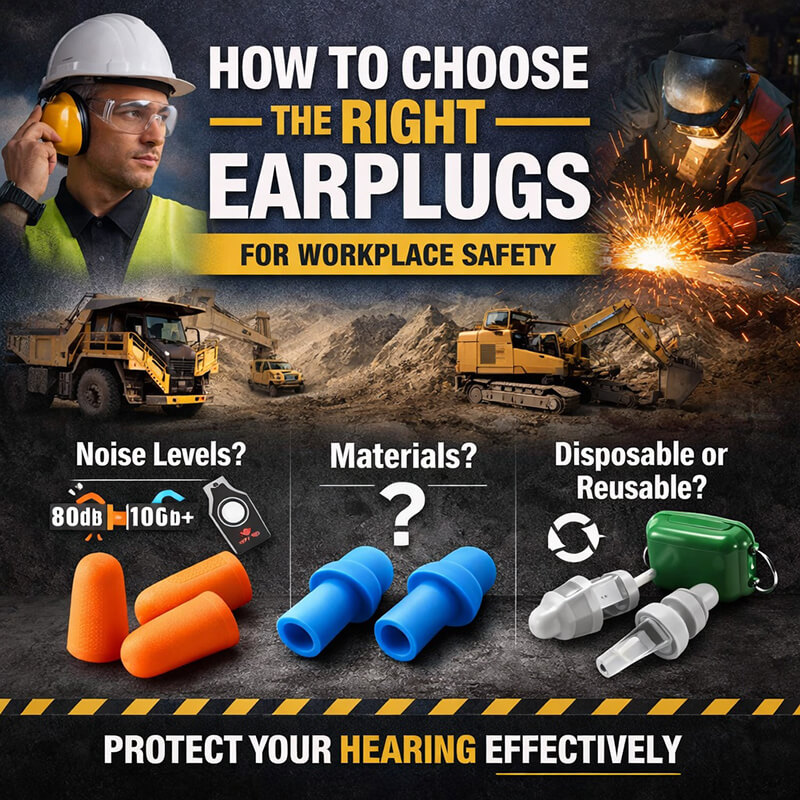
Choosing the right earplugs is key to workplace safety. Learn how to match noise levels, materials, and wearability to protect hearing effectively.
How to Manage Costs for High-Frequency PPE Replacement | CHEAMY PPE
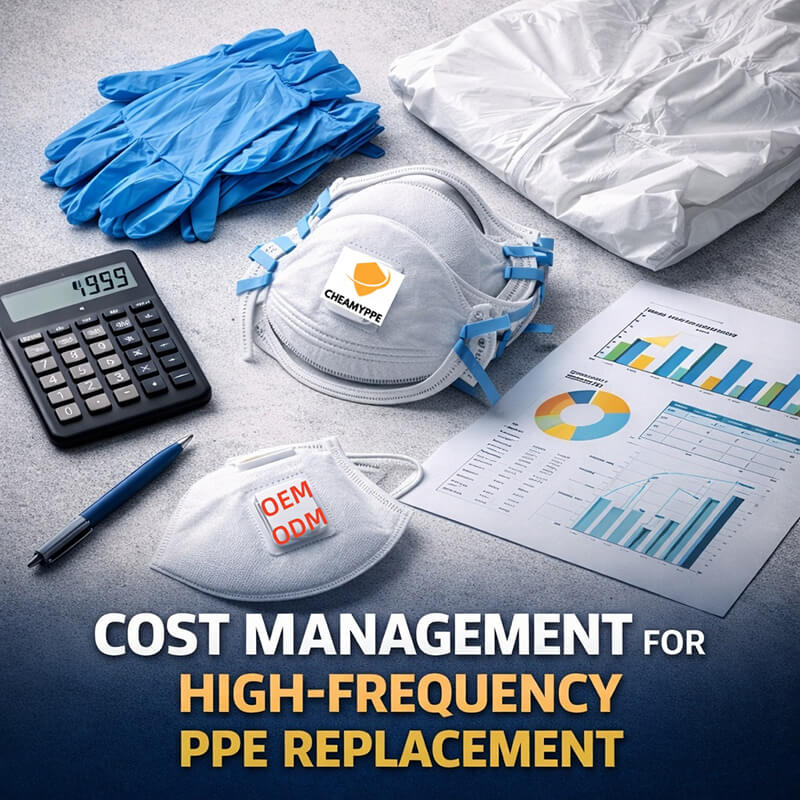
Learn how to manage costs for high-frequency PPE replacement in industrial workplaces. CHEAMY PPE shares practical strategies to track usage, reduce waste, and optimize budgets while keeping employees safe.