
EN 13034 vs EN 14605: How to Choose the Right Chemical Protective Clothing
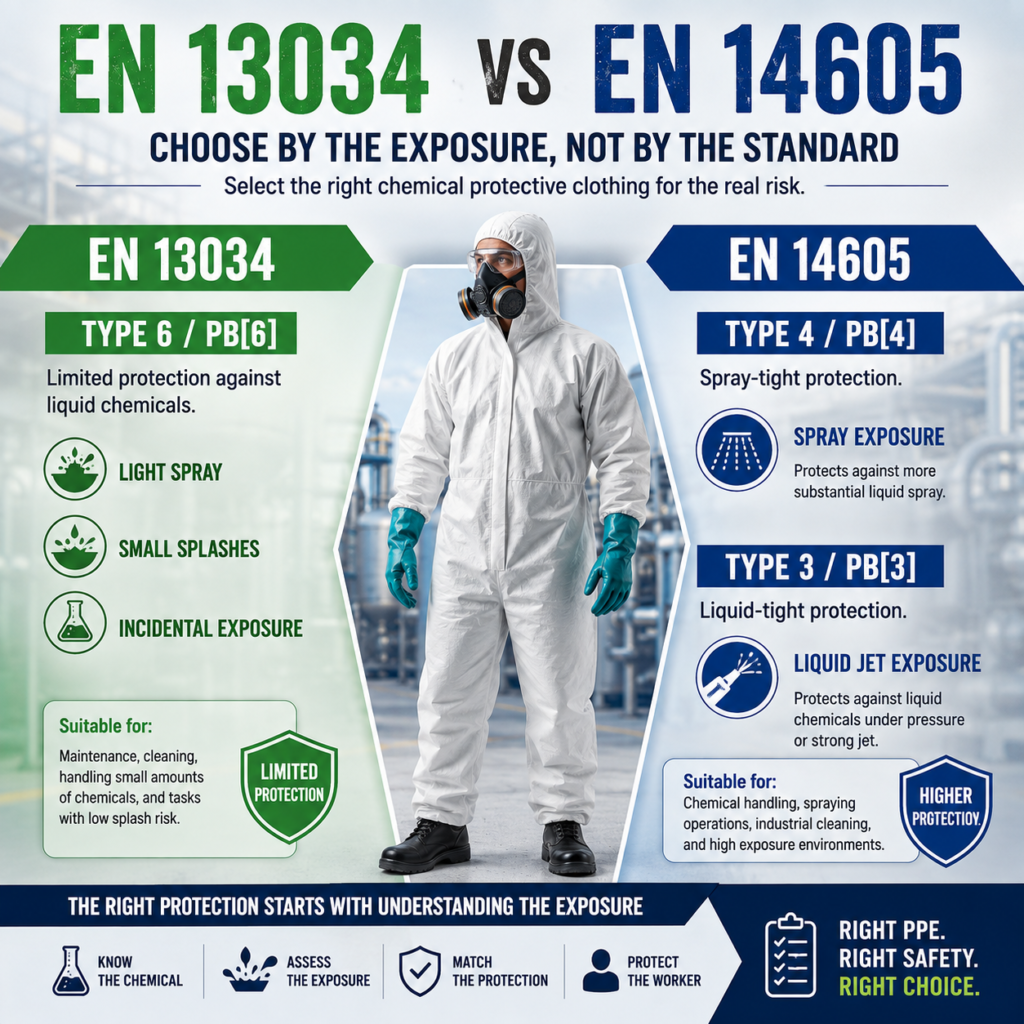
Learn the key differences between EN 13034 and EN 14605, including Type 6, Type 4 and Type 3 chemical protective clothing, and how to choose the right protection based on chemical exposure.
EN 1149-5 Explained: Why Antistatic Clothing Is More Than Just the Fabric
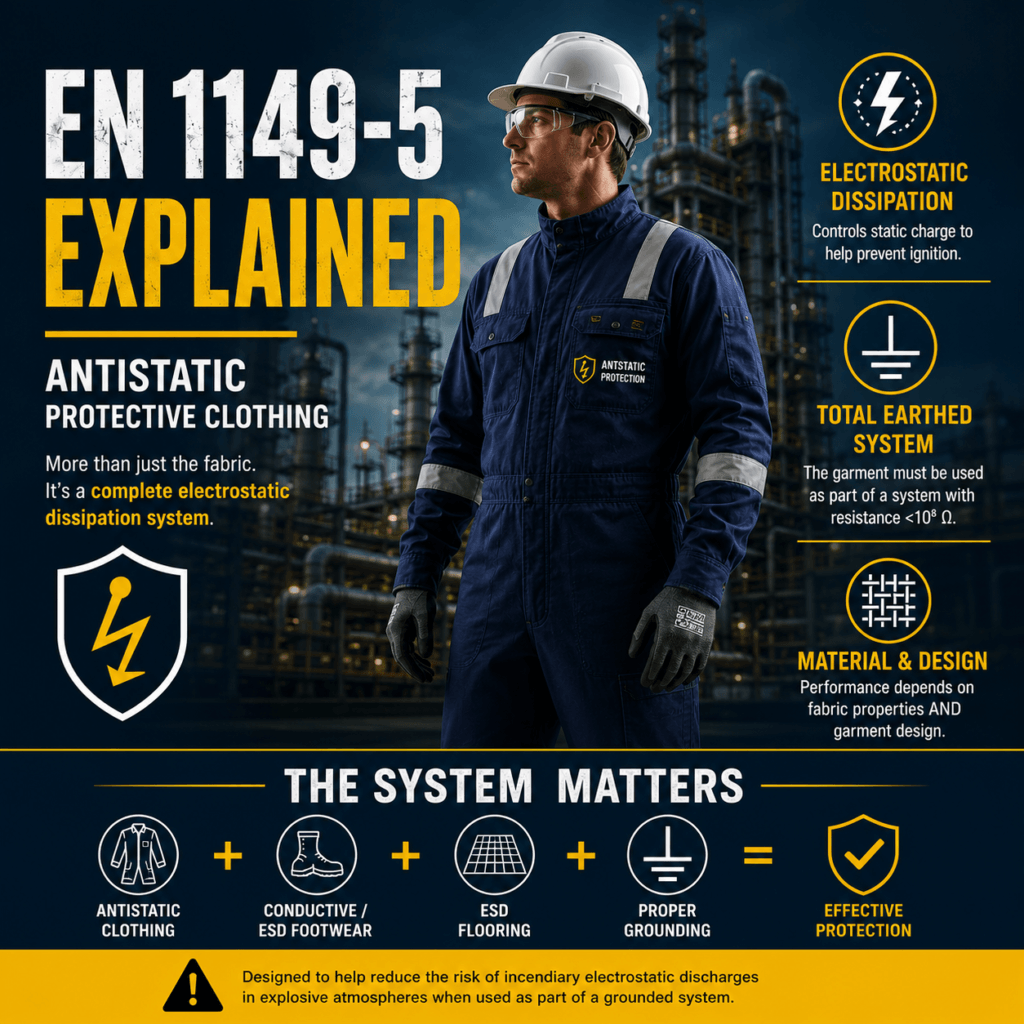
Learn what EN 1149-5 means, why antistatic clothing is more than just the fabric, and how electrostatic dissipation, grounding, garment design, and workplace hazards affect the selection of protective workwear.
Beyond the Reflective Stripes: How to Choose EN ISO 20471 High-Visibility Workwear
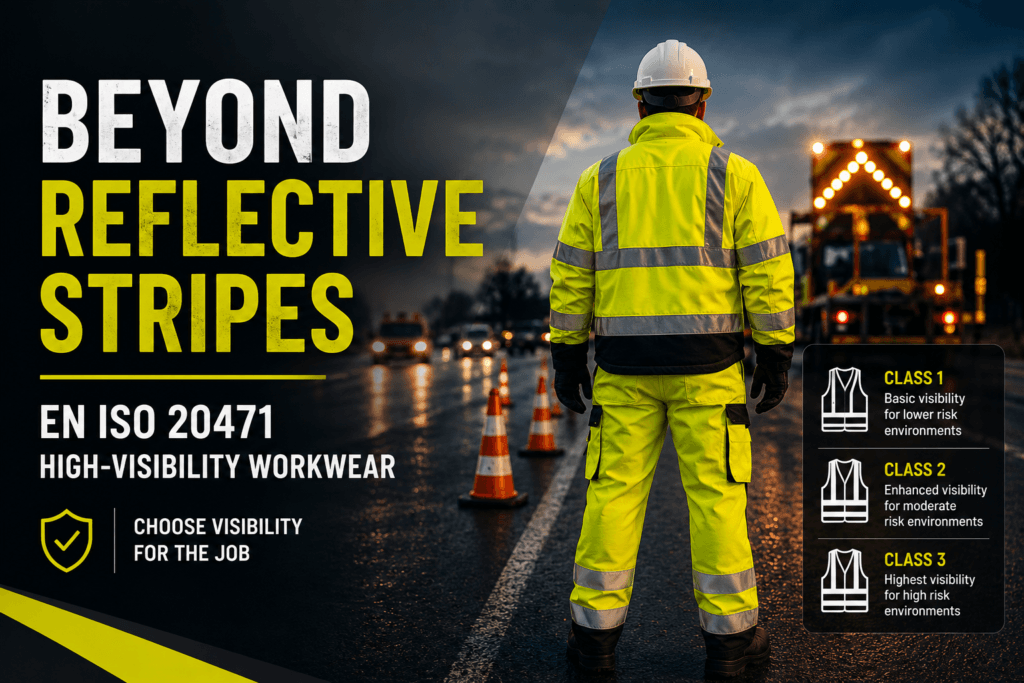
Learn how to choose the right EN ISO 20471 high-visibility workwear based on workplace risks, visibility class, garment design, customization, comfort, and additional protection requirements.
What PPE Is Required for Electrical Work? Essential Protection for Electrical Safety
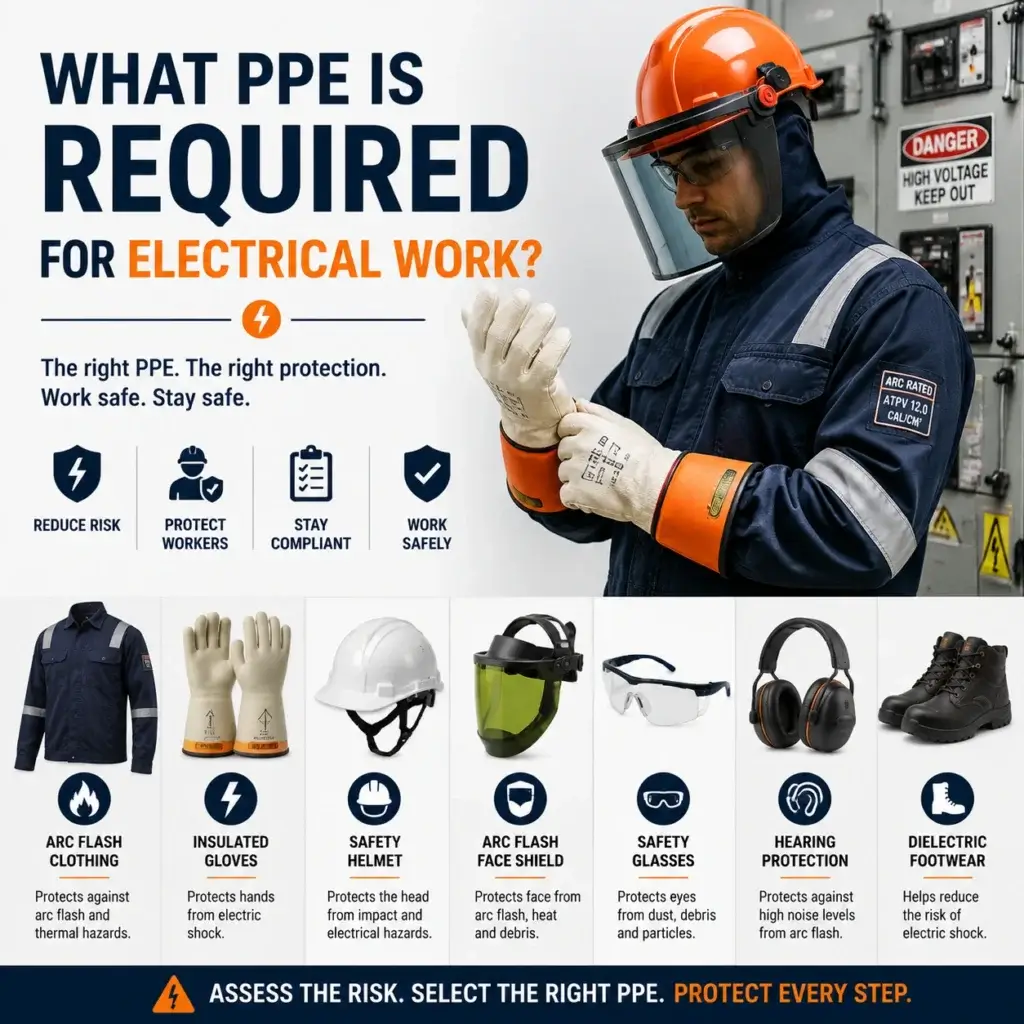
What PPE is required for electrical work? This guide explains the essential personal protective equipment for electricians and electrical workers, including arc-rated clothing, insulated gloves, safety helmets, face shields, dielectric footwear, and other protective gear needed to reduce the risk of electric shock and arc flash injuries.
How to Inspect PPE Before Use: A Simple Safety Checklist for Every Worker
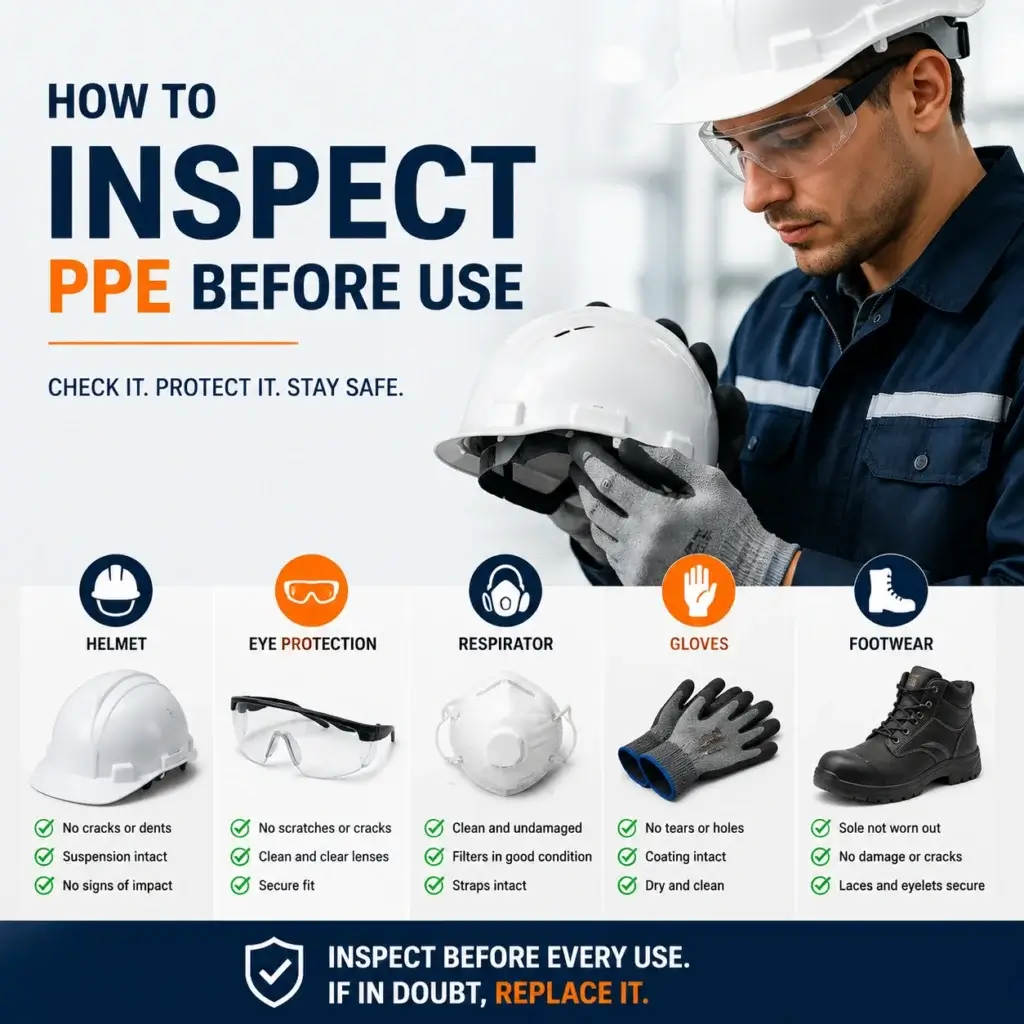
Inspecting PPE before every use is essential for workplace safety. This guide provides a simple PPE inspection checklist, explains how to examine safety helmets, gloves, respirators, footwear, and protective clothing, and highlights the warning signs that indicate equipment should be replaced.
Why Does PPE Fail? 10 Common Reasons Personal Protective Equipment Doesn’t Protect Workers
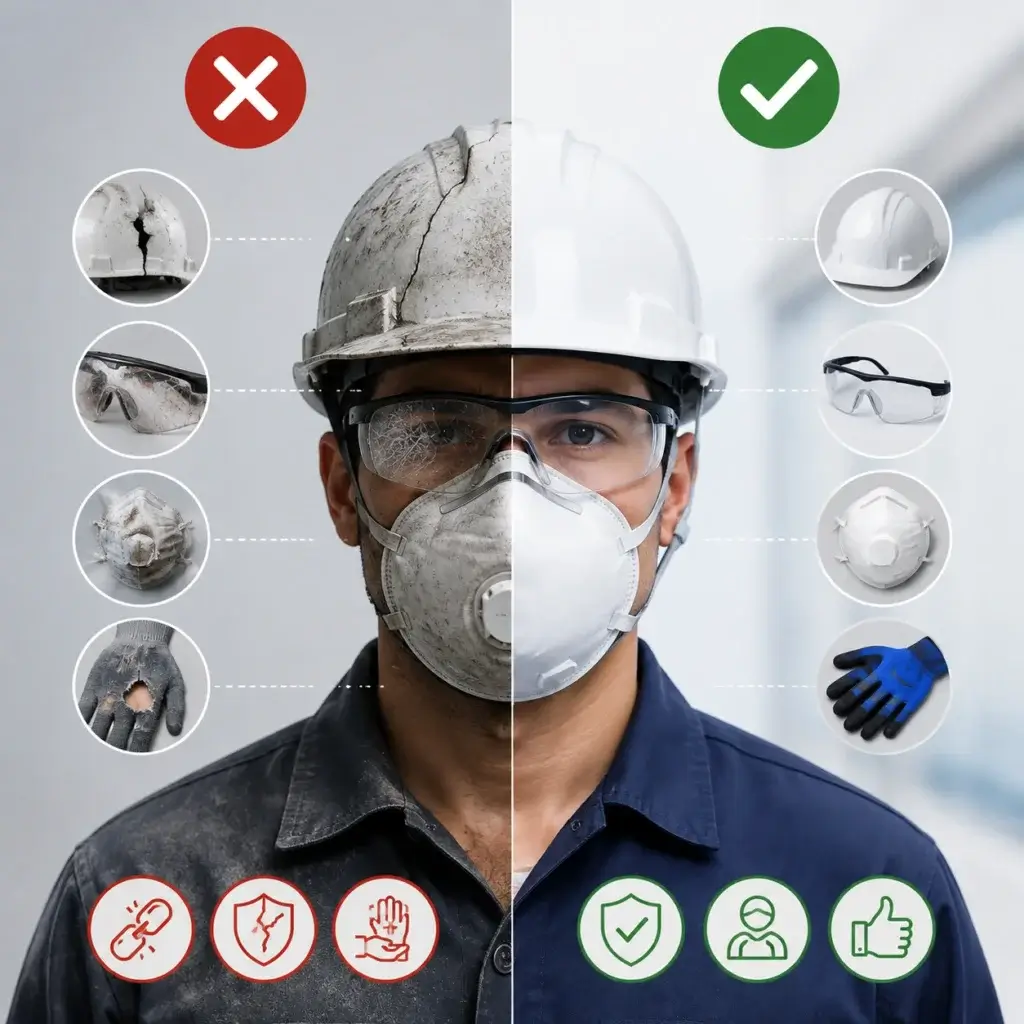
Why does PPE fail? In most cases, the problem is not the equipment itself but how it is selected, used, maintained, or replaced. This guide explores the most common causes of PPE failure and shares practical tips to improve workplace safety and ensure reliable personal protection.
What Is the Difference Between CE and ANSI PPE? A Complete Comparison Guide
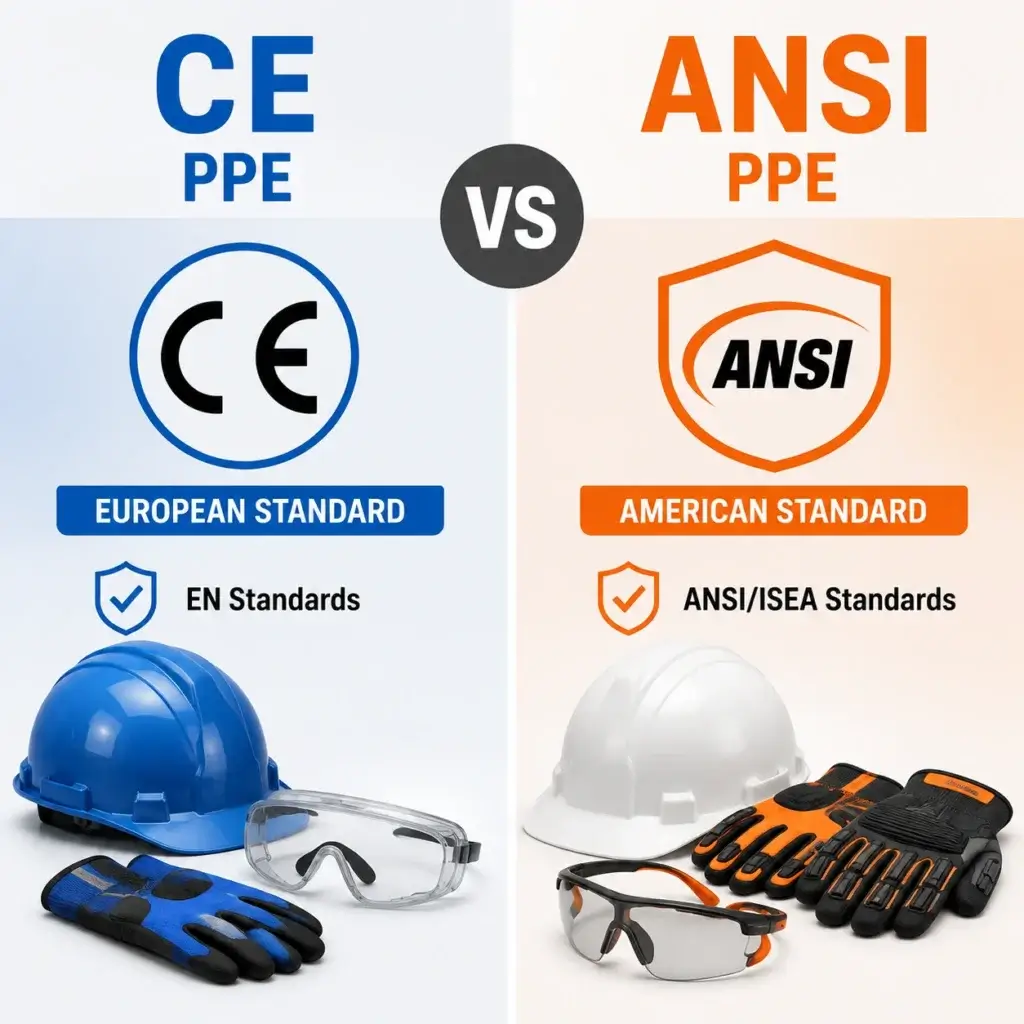
What is the difference between CE and ANSI PPE? This guide compares the two major safety standards, explains their certification systems, testing requirements, and regional applications, and helps buyers choose compliant PPE for Europe, the United States, and international markets.
Can Safety Gloves Be Washed? A Guide to Cleaning and Maintaining Protective Gloves
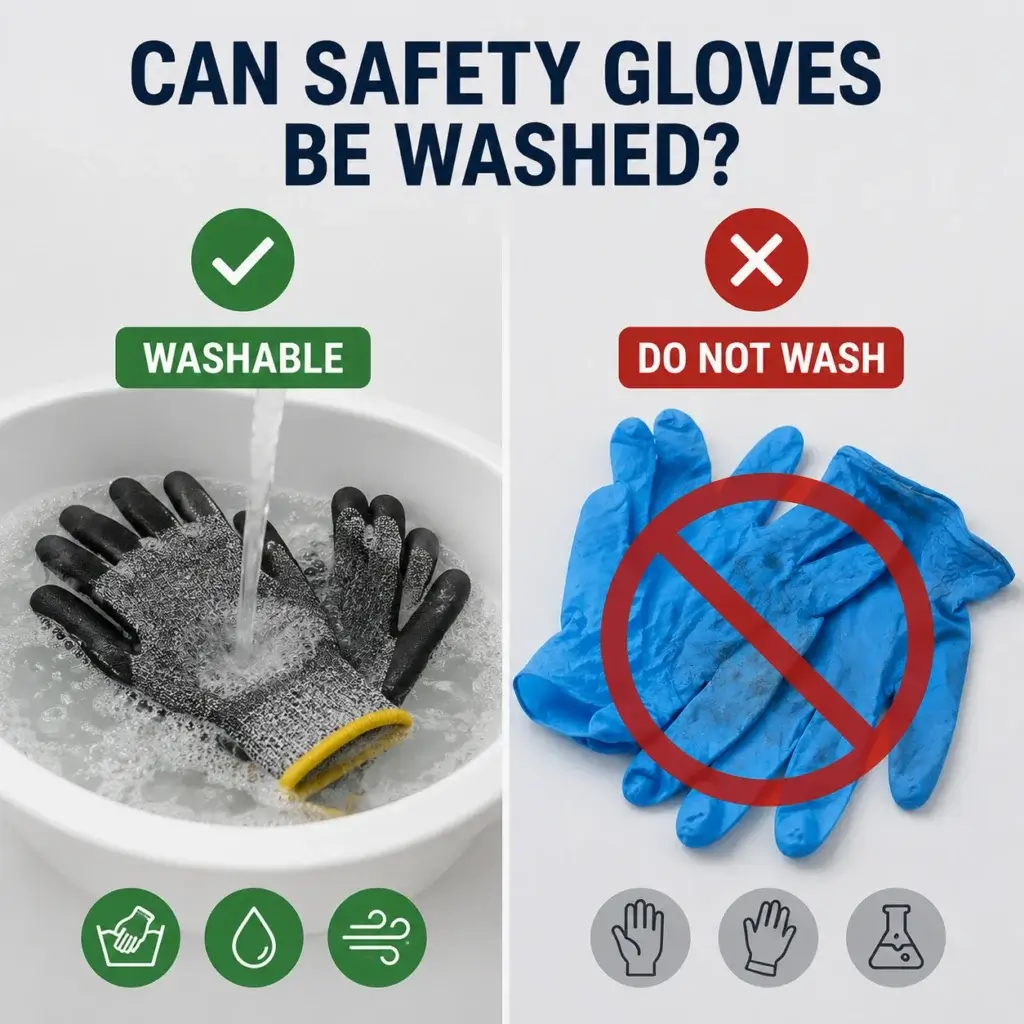
Can you wash safety gloves? It depends on the glove material and its intended use. This guide explains which protective gloves can be safely cleaned, proper washing methods, common mistakes to avoid, and when it’s time to replace worn or damaged gloves.
Who Pays for PPE at Work? Employer Responsibilities Explained
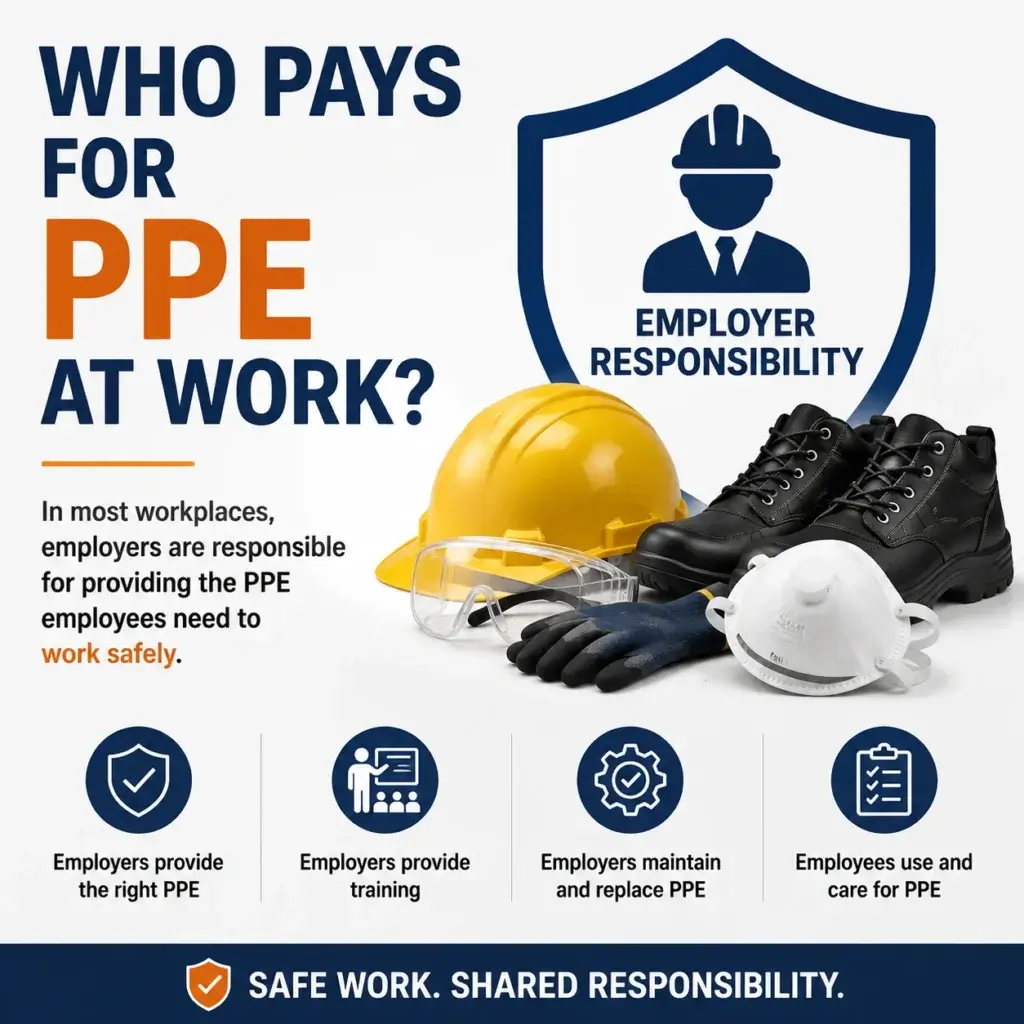
Who is responsible for paying for PPE in the workplace? This guide explains employer obligations, employee responsibilities, common exceptions, and best practices for providing, maintaining, and replacing personal protective equipment to ensure a safe working environment.
How Often Should PPE Be Replaced? A Practical Guide for Workplace Safety
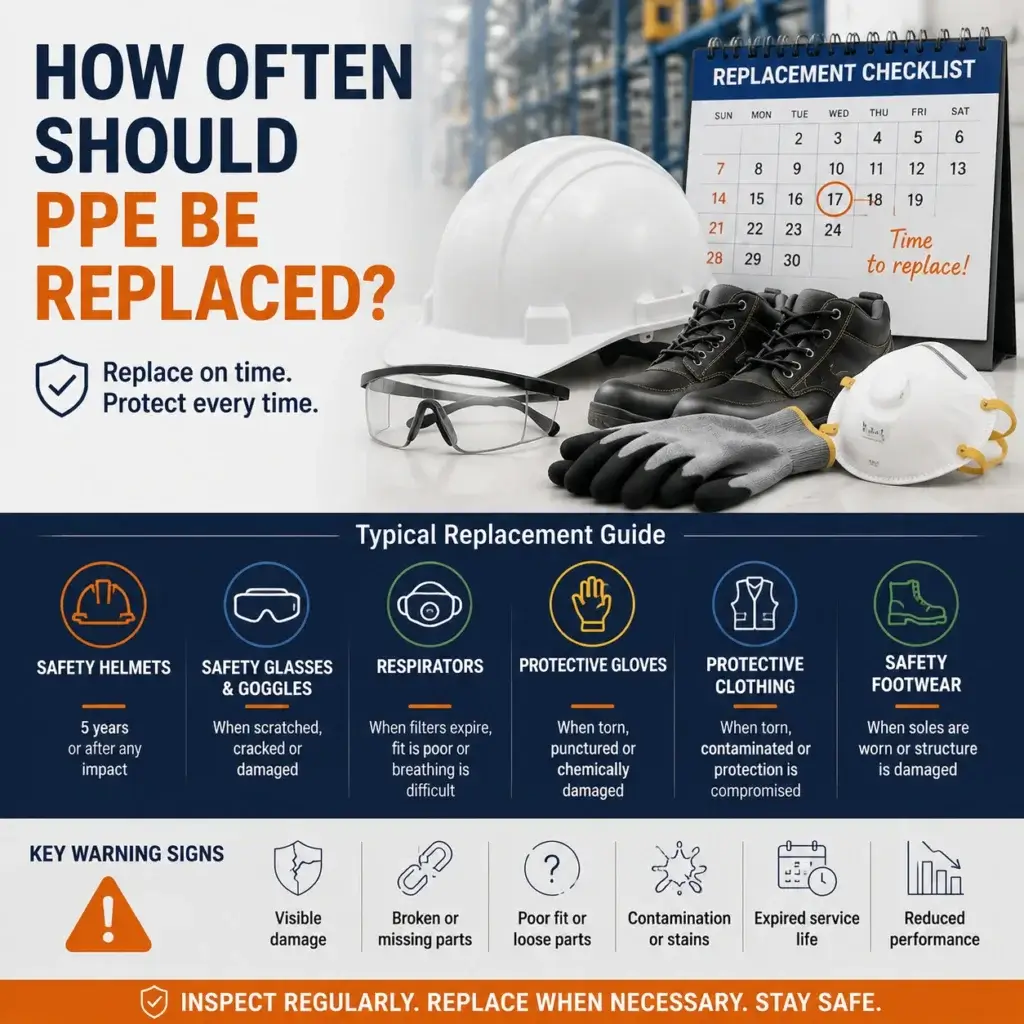
How often should PPE be replaced? The answer depends on the type of equipment, workplace conditions, and regular inspections. This guide explains the typical lifespan of common PPE, key warning signs of wear, and best practices for timely replacement to ensure workplace safety.
Smart PPE and Digital Workplace Safety: How Wearable Technology Is Transforming Worker Protection
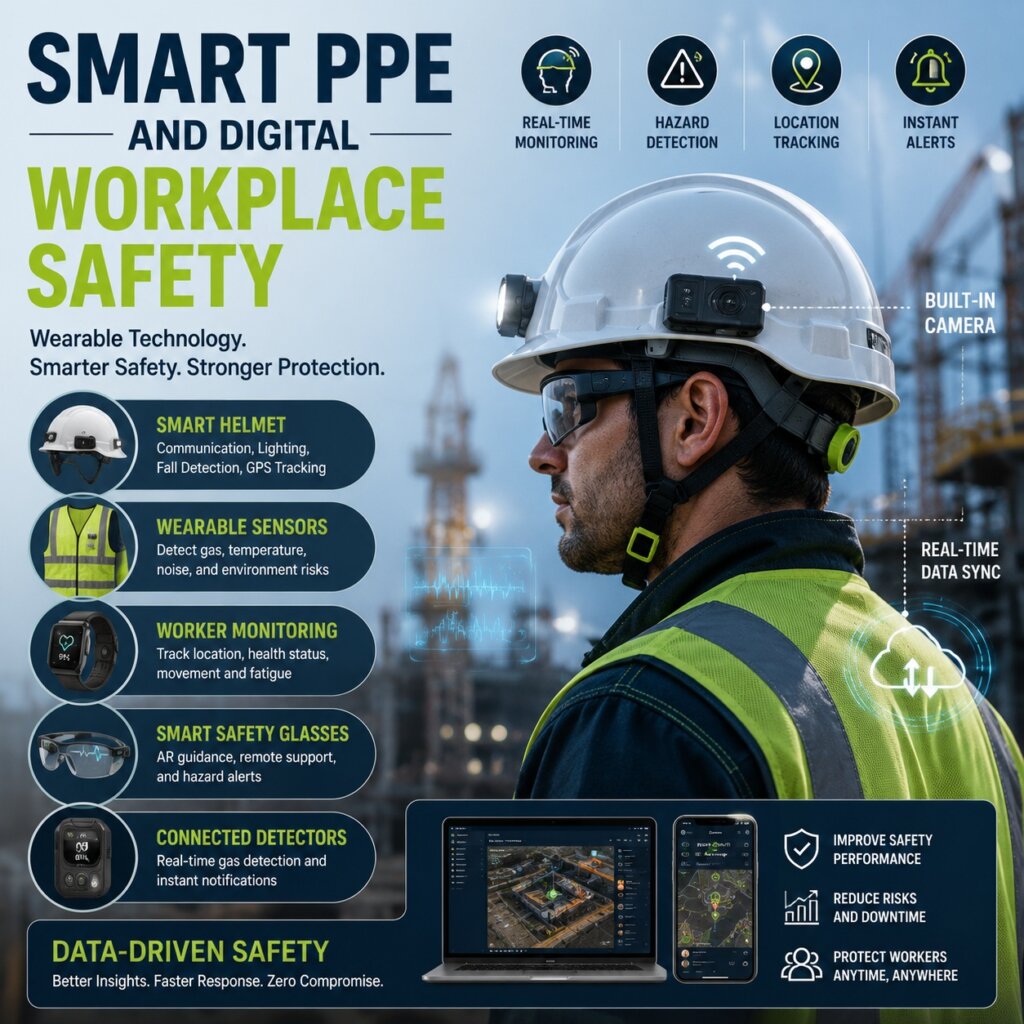
Smart PPE is transforming workplace safety by combining traditional protective equipment with digital technologies such as smart helmets, wearable sensors, and real-time worker monitoring. These innovations help improve hazard detection, emergency response, and operational efficiency, enabling businesses to build safer, smarter, and more connected workplaces.
Sustainable PPE: The Future of Eco-Friendly Safety Equipment
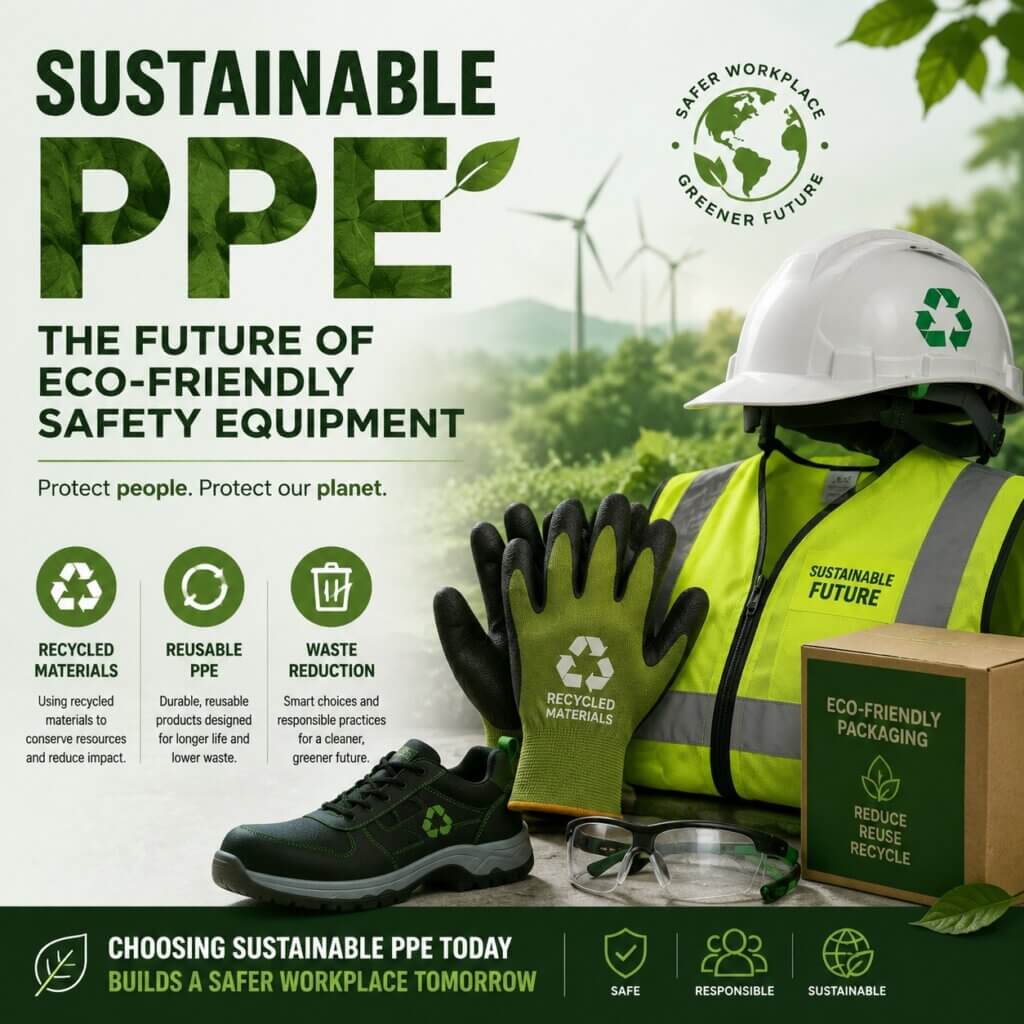
Sustainable PPE helps organizations protect workers while reducing environmental impact. By choosing recycled materials, reusable PPE, durable products, and eco-friendly packaging, businesses can reduce waste, improve resource efficiency, and support long-term sustainability goals without compromising workplace safety.