
How to Maintain PPE Quality Across Repeat Orders
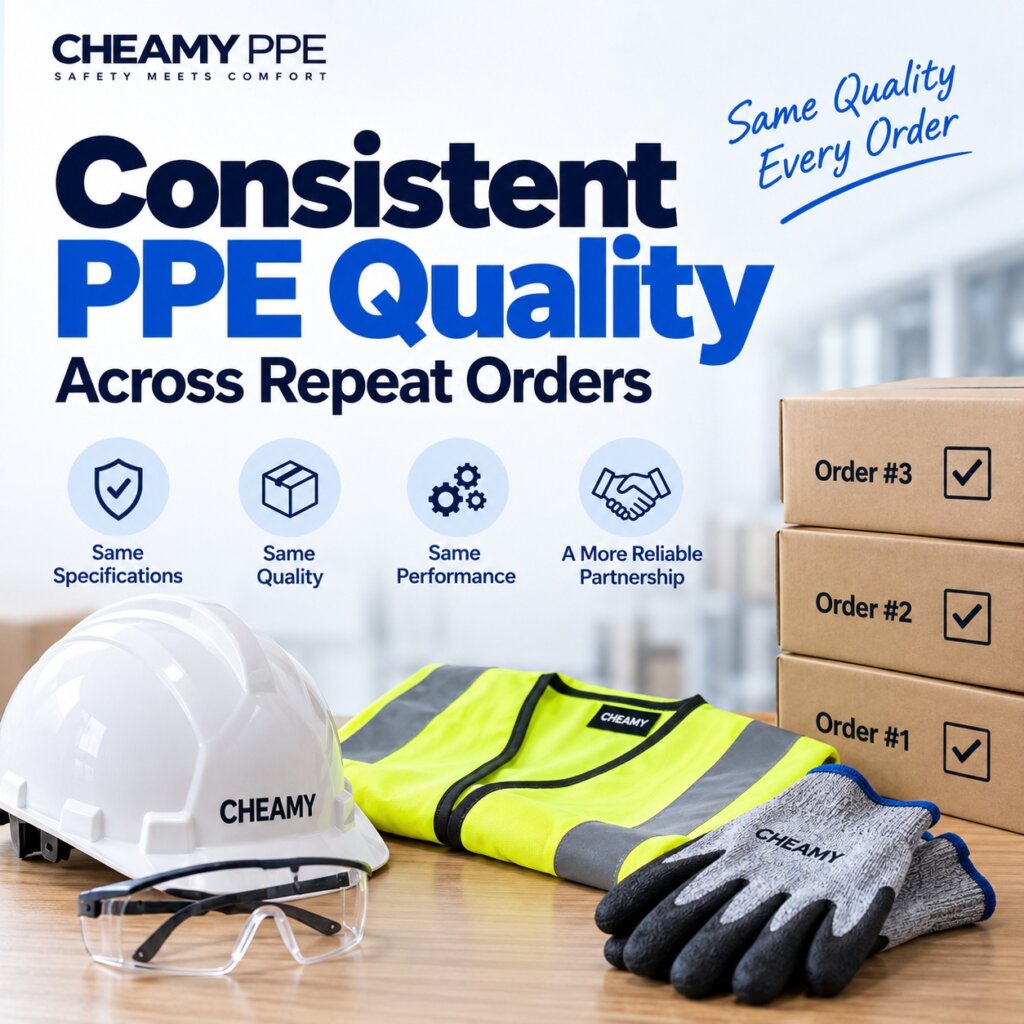
A practical guide to maintaining consistent PPE quality across repeat orders through clear specifications, approved samples, change control, and ongoing quality checks.
Lead Time Explained: What Buyers Should Confirm Before Ordering
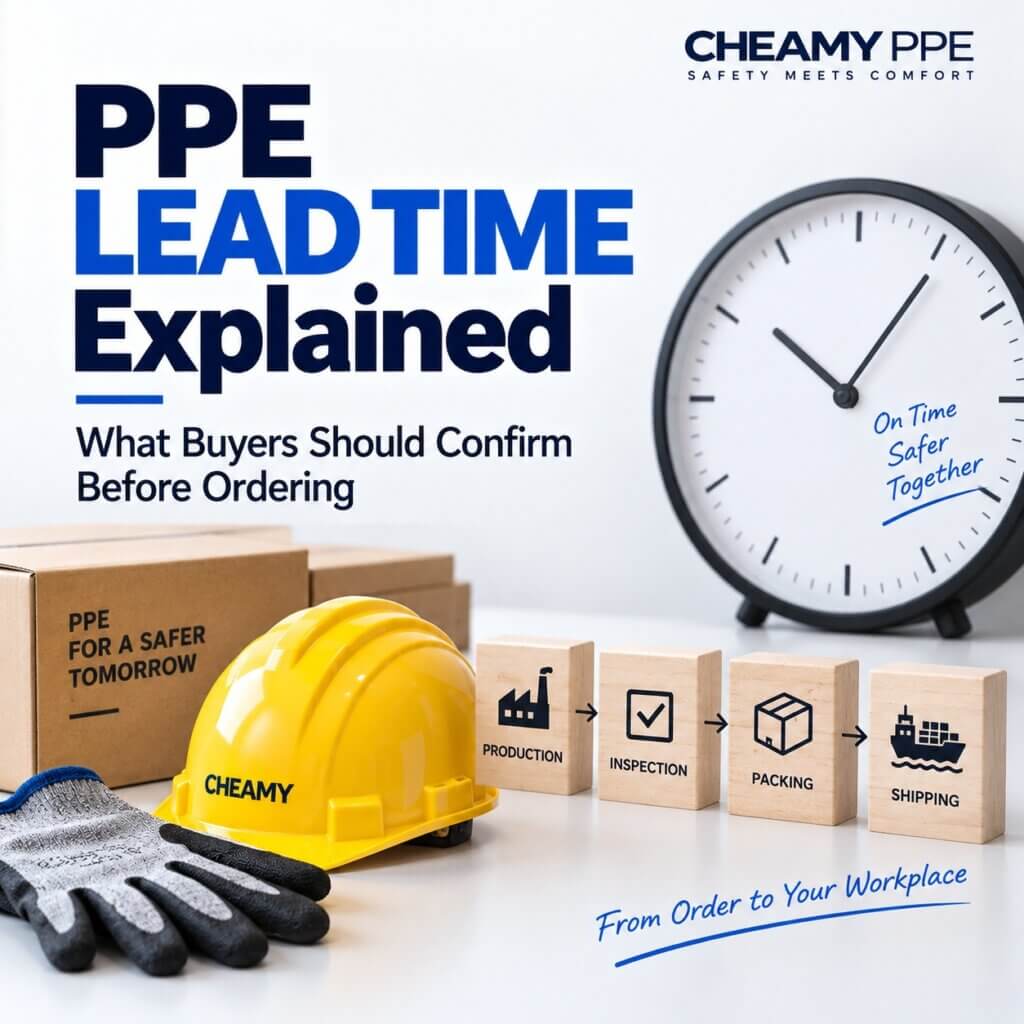
A practical guide to understanding PPE lead time, checking production schedules, planning delivery timelines, and avoiding delays before placing an order.
PPE MOQ Explained: How Minimum Order Quantities Affect Your Purchase
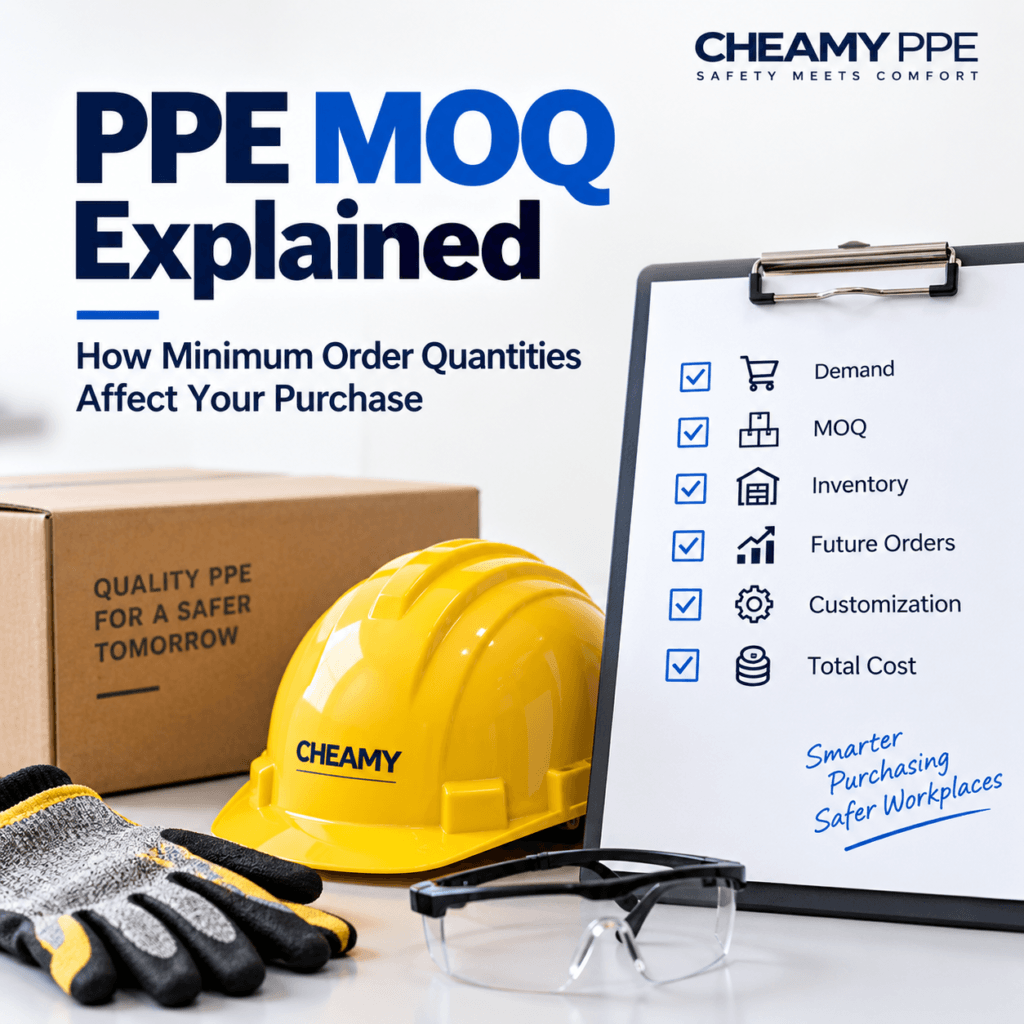
A practical guide to choosing the right PPE order quantity based on demand, inventory, future requirements, customization, and purchasing plans.
How to Read a PPE Datasheet: What Buyers Should Check Before Ordering
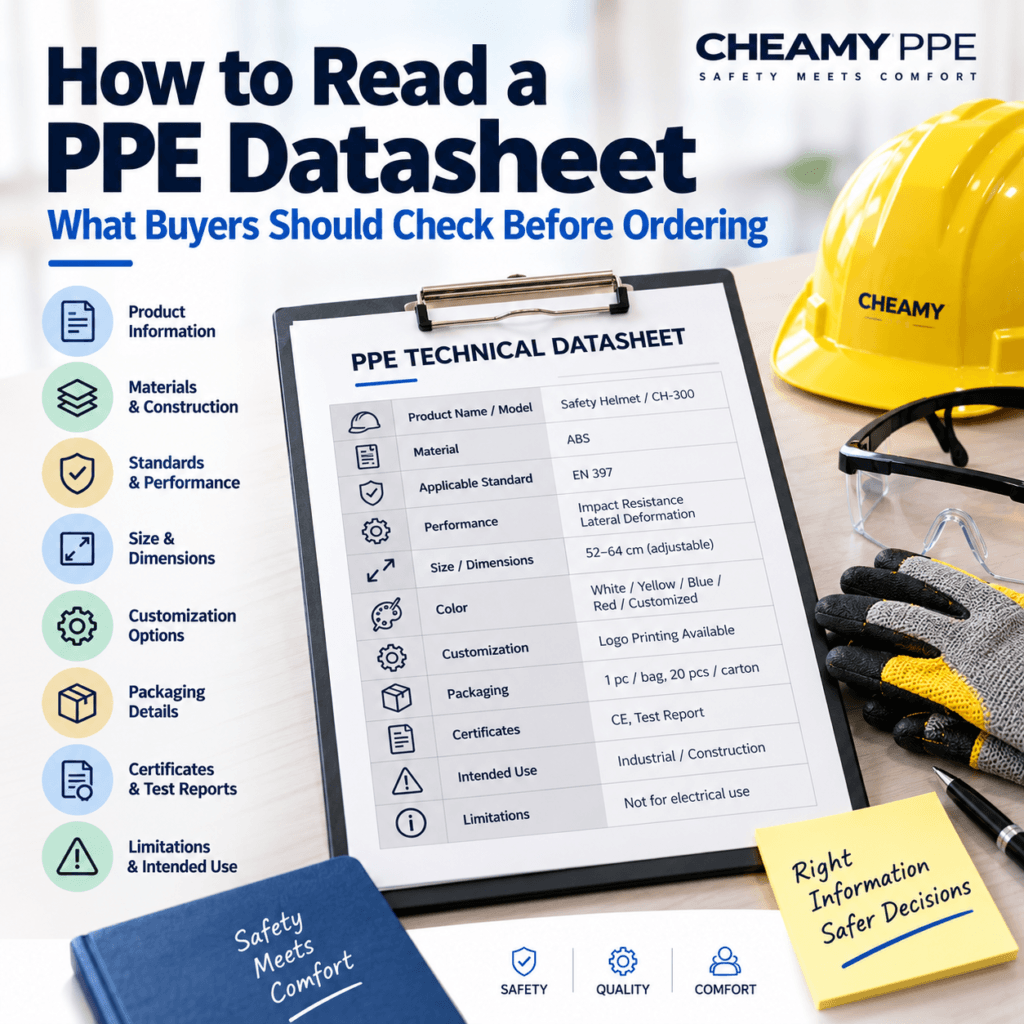
A practical guide helping PPE buyers understand technical datasheets, verify product specifications and standards, and make more informed purchasing decisions before bulk orders.
Why Choose CHEAMY PPE as Your China PPE Supplier?

Choosing a China PPE supplier involves more than comparing prices. Learn how CHEAMY PPE supports international buyers with a broad product range, OEM & ODM services, documentation, customization, and coordinated sourcing.
Why PPE Samples Matter Before Bulk Orders: From Product Preview to Purchase Control

A practical guide explaining how PPE samples help buyers identify specification gaps, evaluate fit and usability, confirm customization, and reduce costly problems before bulk production.
Comfort Is Safety: Why PPE Fit Matters More Than You Think
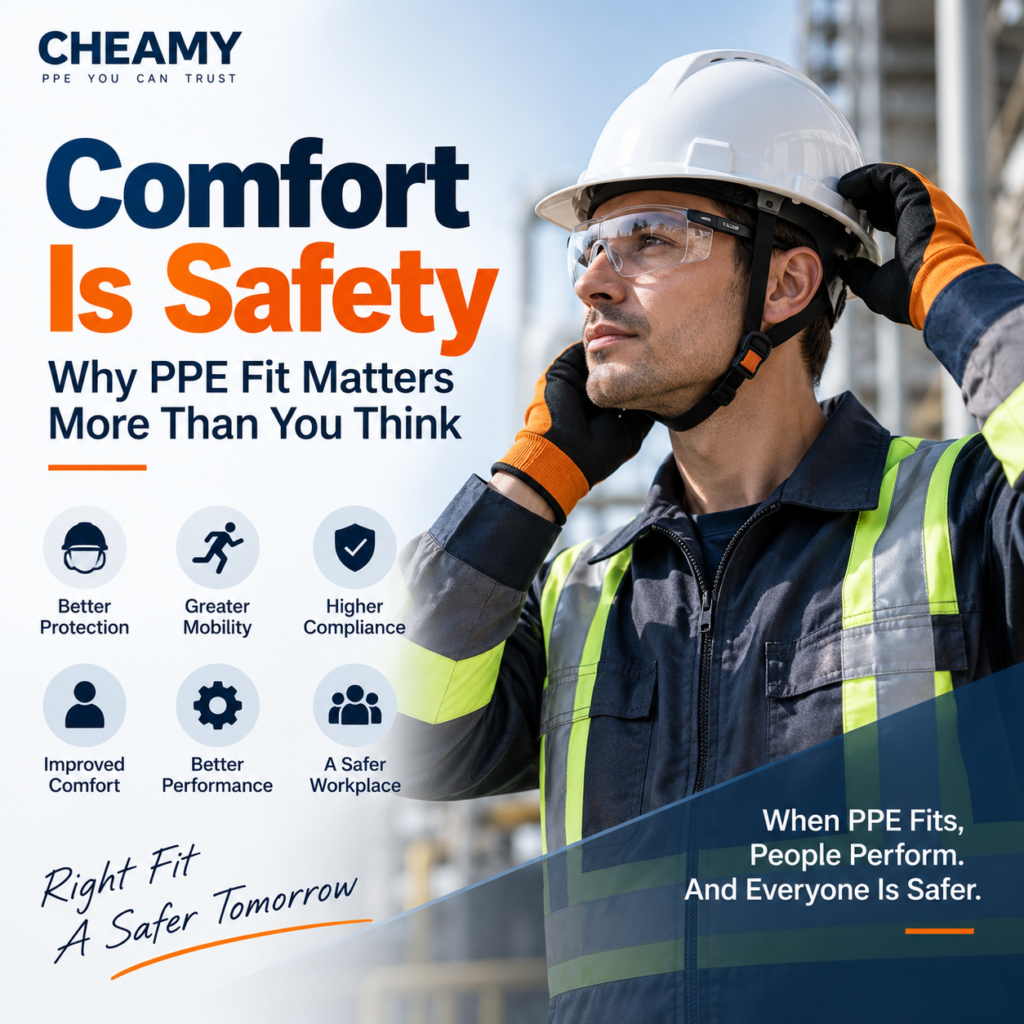
PPE fit affects more than comfort. This guide explains how proper sizing, movement, compatibility, adjustability, and worker feedback can improve PPE usability and support consistent protection.
10 PPE Procurement Mistakes That Can Cost You Time and Money

A practical guide to 10 common PPE procurement mistakes that can lead to unnecessary costs, delays, quality issues, and communication problems—and how procurement teams can avoid them.
The Real Cost of PPE: Why Unit Price Isn’t the Whole Story

Unit price is only one part of PPE procurement. This guide explains how buyers can evaluate total cost, product performance, replacement frequency, logistics, quality, and supplier value before making a purchasing decision.
How to Write a PPE RFQ That Suppliers Can Actually Quote
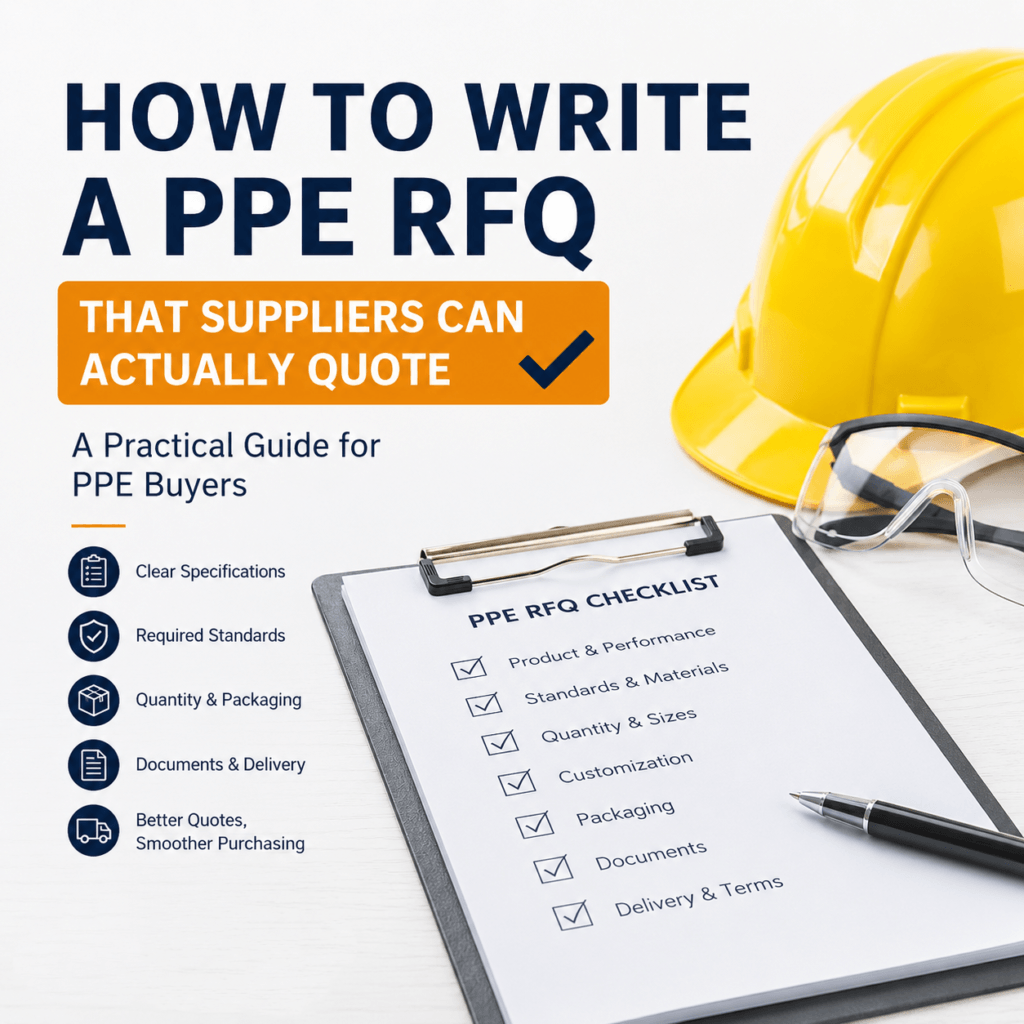
A practical guide for PPE buyers on writing clearer RFQs, avoiding common specification mistakes, comparing supplier quotations, and creating a smoother purchasing process.
How Long Does a Safety Helmet Last? A Practical Guide to Inspection and Replacement
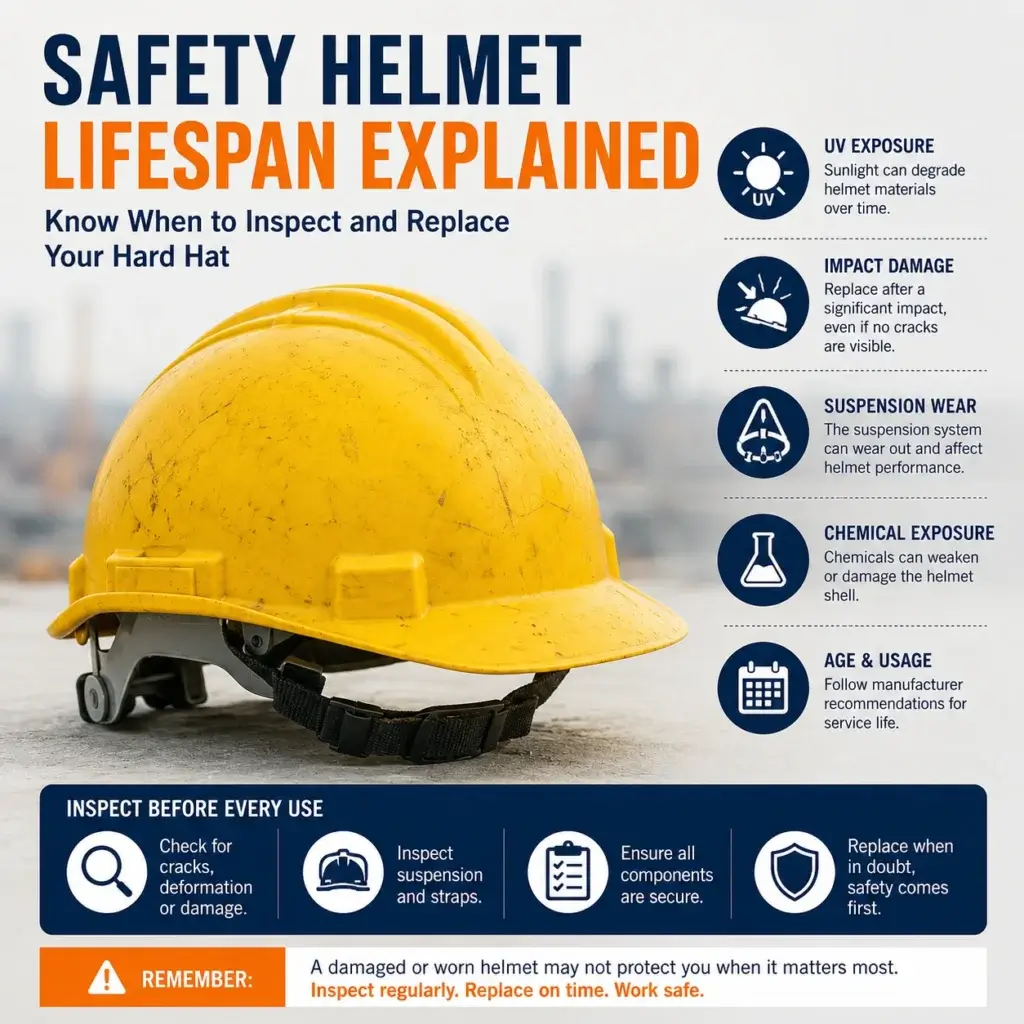
Learn how to determine when a safety helmet should be replaced. This practical guide explains helmet lifespan, UV exposure, impact damage, suspension wear, inspection points, storage, and PPE replacement best practices.
HDPE vs ABS Safety Helmets: Which Material Is Right for Your Workplace?
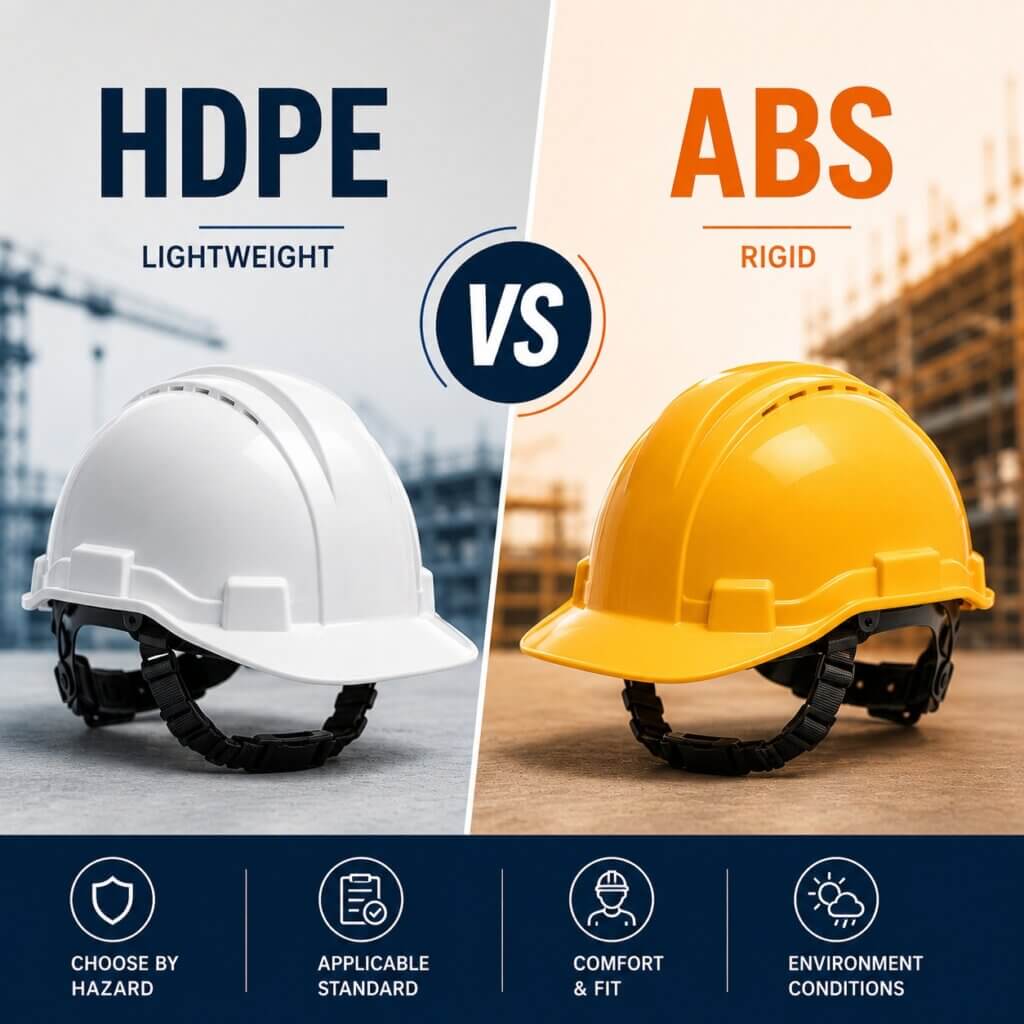
HDPE and ABS are two widely used materials for industrial safety helmets. Learn how their characteristics differ and how to choose the right helmet based on workplace hazards, standards, comfort, environment, and total cost.