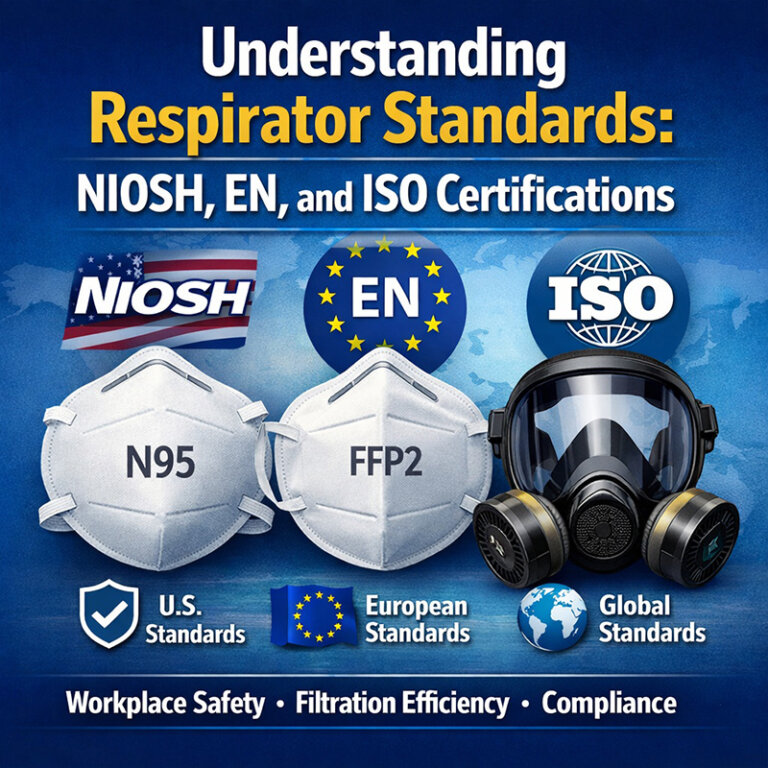
Understanding Respirator Standards: NIOSH, EN, and ISO Certifications
Learn the differences between NIOSH, EN, and ISO respirator standards to choose the right certified respiratory protection for workplace safety and compliance.
 Skip to content
Learn the differences between NIOSH, EN, and ISO respirator standards to choose the right certified respiratory protection for workplace safety and compliance.
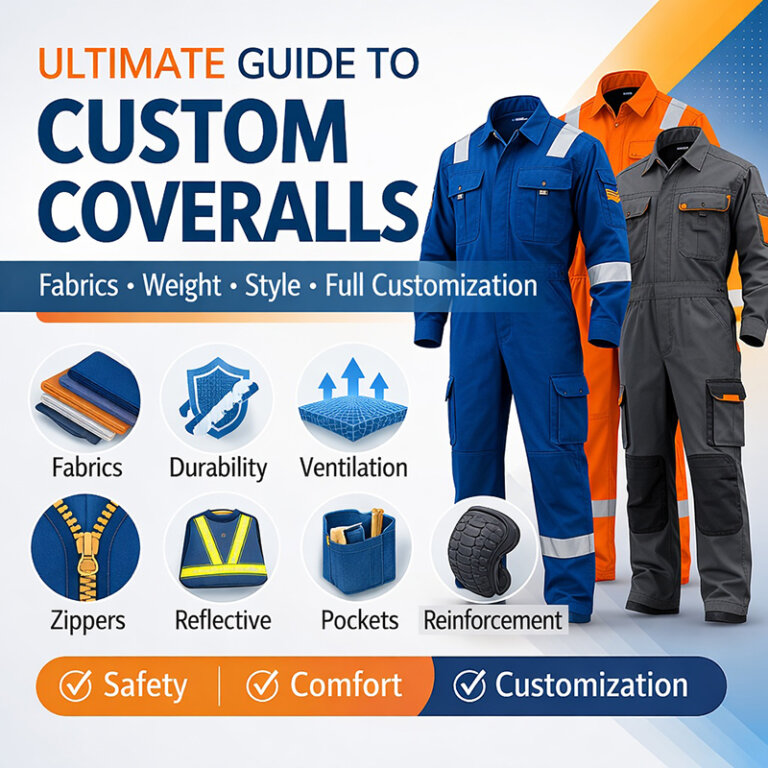
Discover how CHEAMY can fully customize your coveralls—from fabrics and weight to zippers, ventilation, knee reinforcements, reflective strips, and pockets—ensuring your team works safer, more comfortable, and more efficiently.
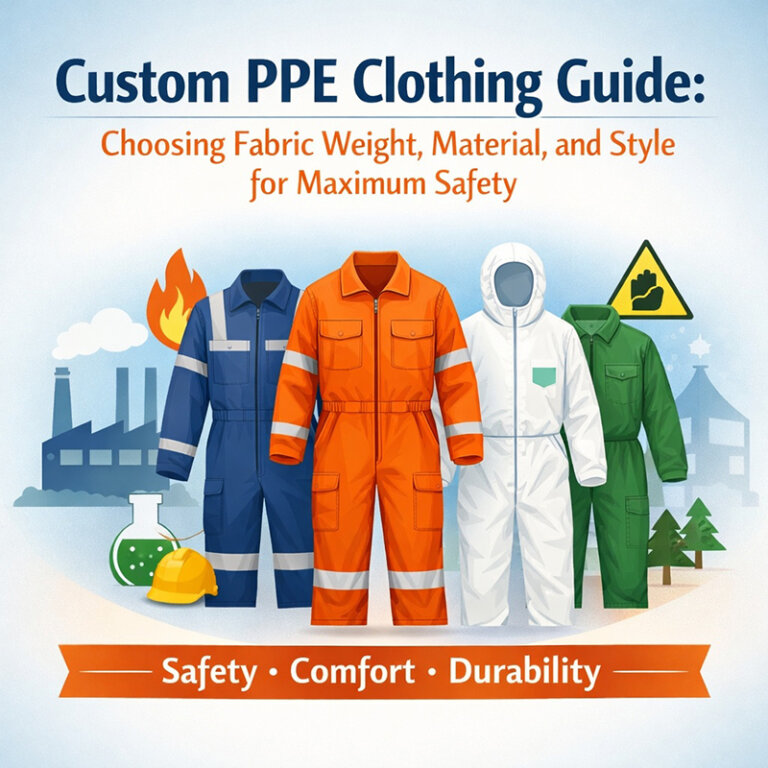
This guide helps you choose custom PPE clothing by fabric weight, material, and style. Make informed decisions to balance safety, comfort, and durability in your work environment.
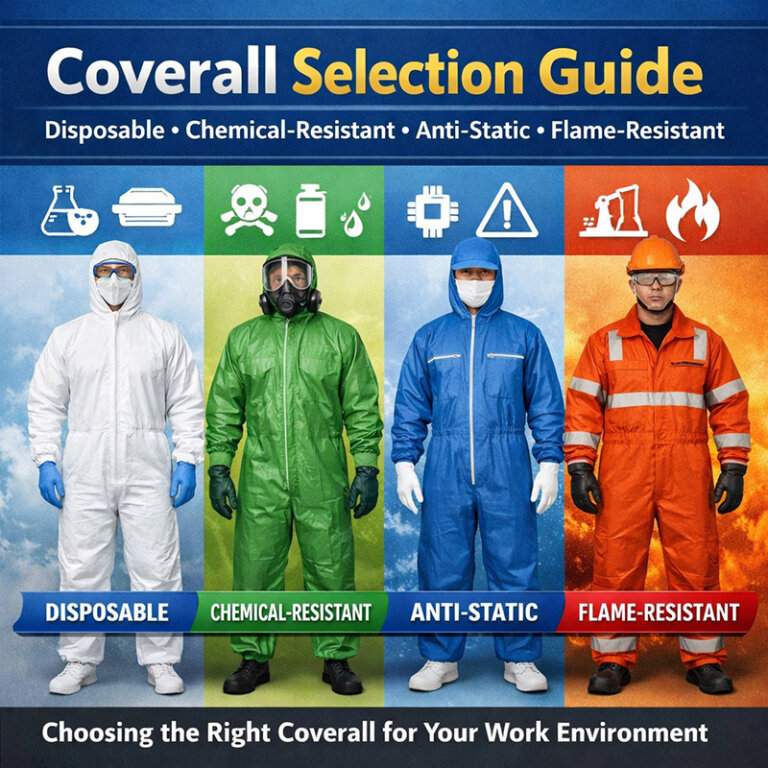
Learn how to choose the right coverall for your work environment. This guide covers disposable, chemical-resistant, anti-static, and flame-resistant coveralls, helping you stay safe and comfortable on the job.
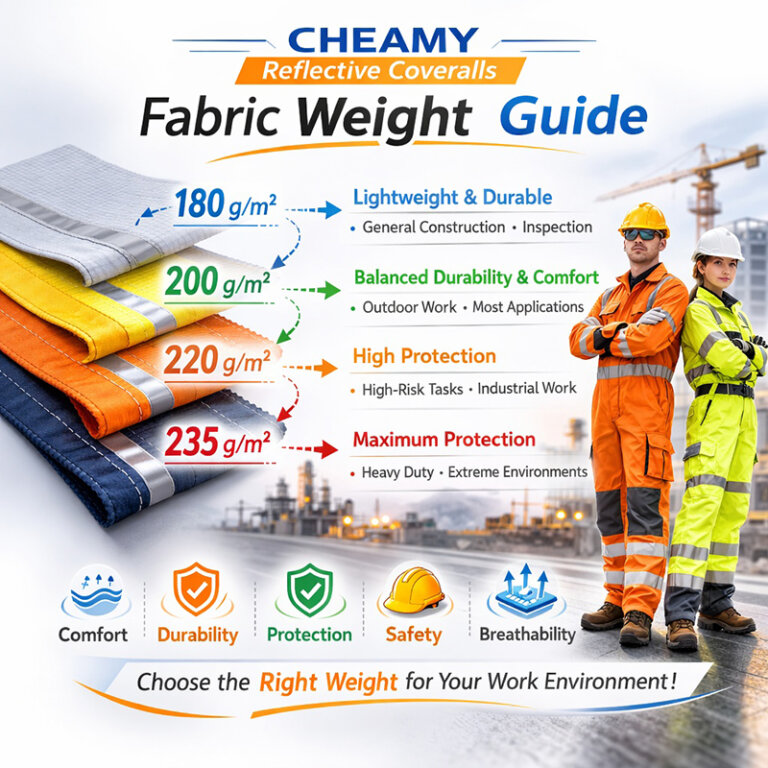
Fabric weight affects comfort, protection, and durability of coveralls. This article explains common fabric weight ranges and features, with CHEAMY reflective coverall weight references to help you choose the right PPE.
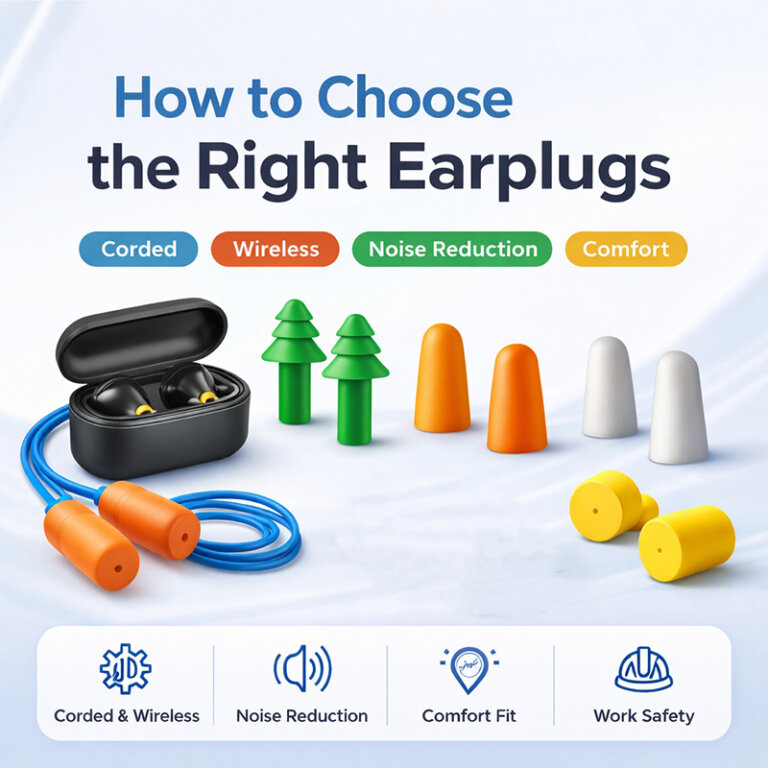
Learn how different earplug types—corded, wireless, and various shapes—impact comfort and noise protection. This guide helps you pick the best earplugs for work, sports, or daily use.
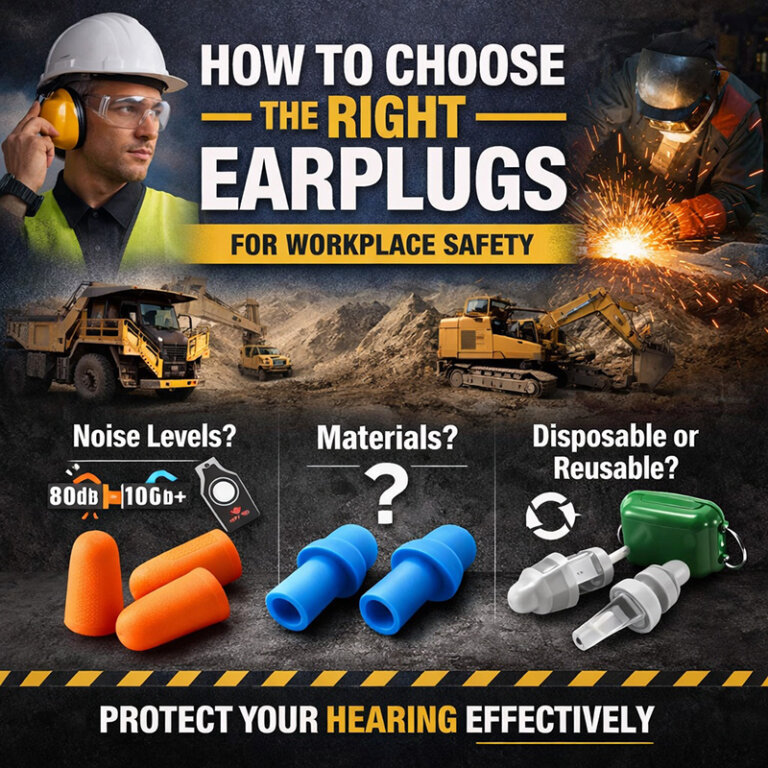
Choosing the right earplugs is key to workplace safety. Learn how to match noise levels, materials, and wearability to protect hearing effectively.
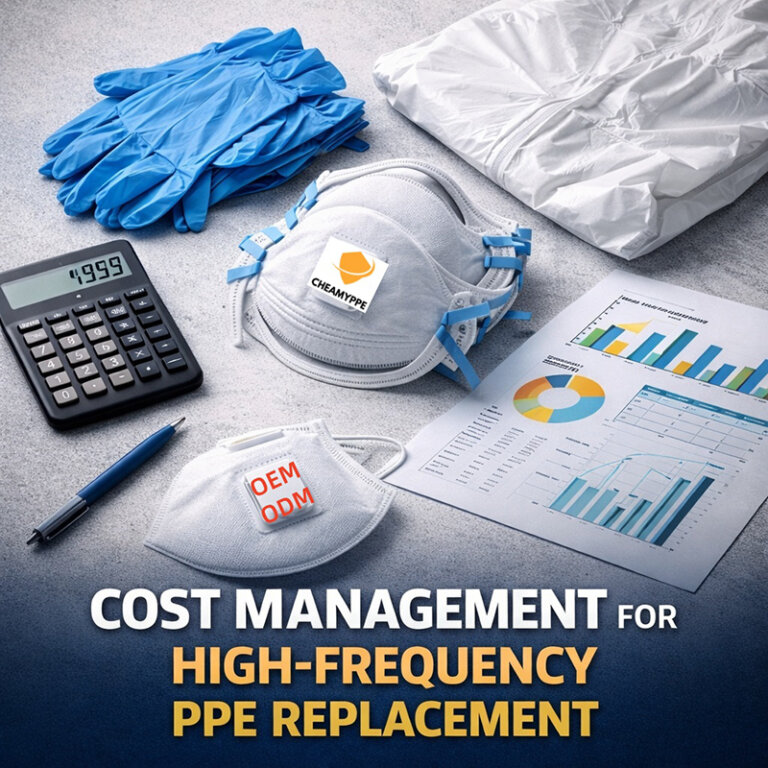
Learn how to manage costs for high-frequency PPE replacement in industrial workplaces. CHEAMY PPE shares practical strategies to track usage, reduce waste, and optimize budgets while keeping employees safe.
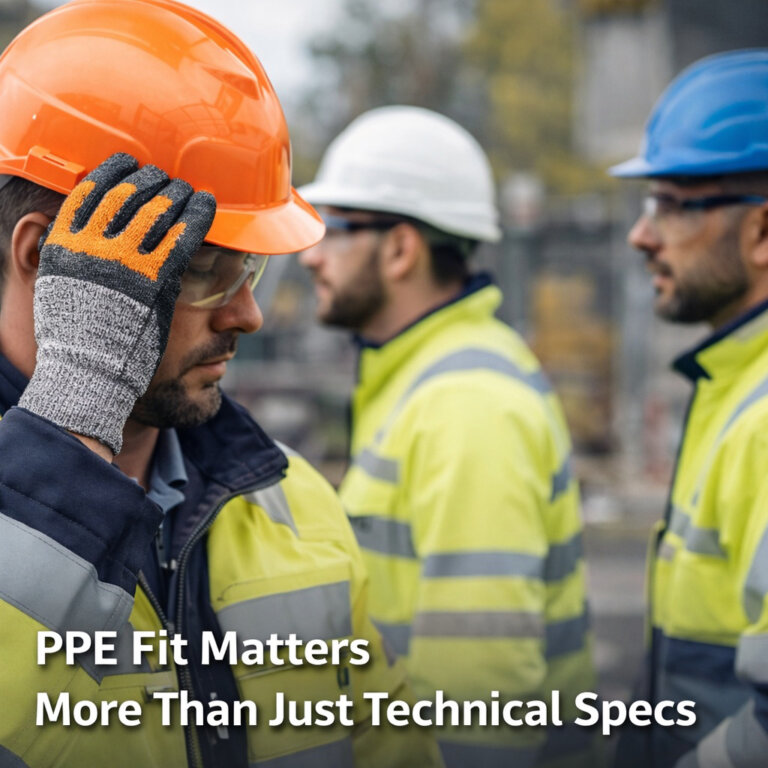
While technical specs matter, the fit of PPE often determines whether it actually protects workers. This article explains why comfort, adaptability, and real-world performance are critical for safety and compliance.
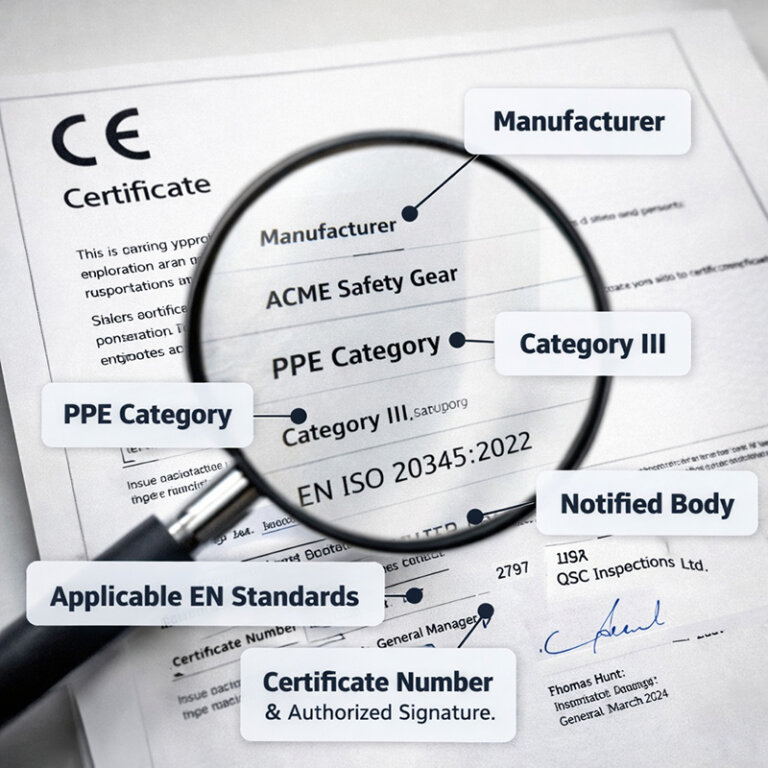
Not all details on a CE certificate matter equally. This article explains the key sections—manufacturer, PPE category, applicable EN standards, Notified Body, certificate number, and signature—so buyers can verify PPE compliance confidently.
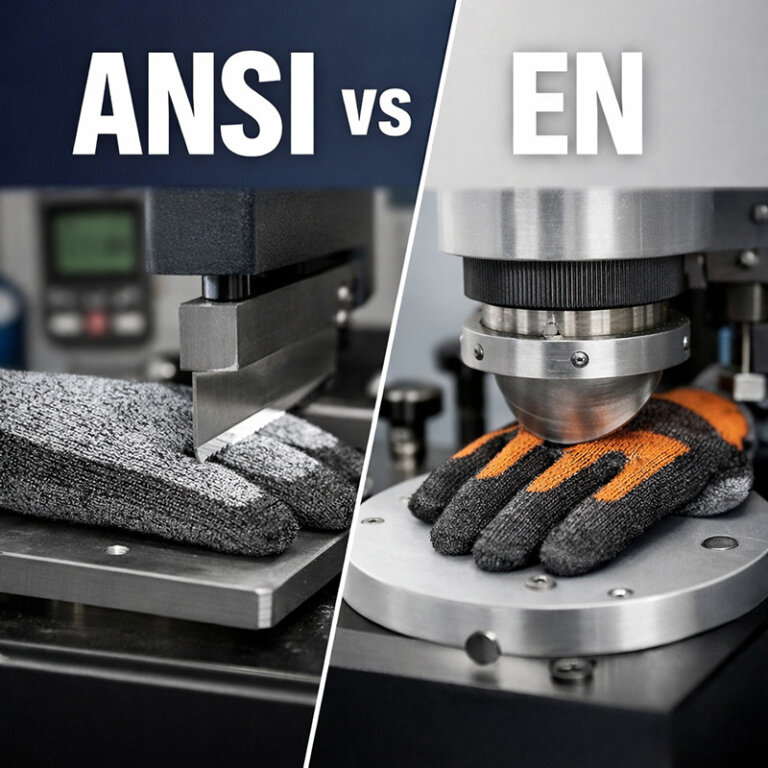
The same pair of safety gloves can show very different performance levels under ANSI and EN standards. This article explains the key differences in testing methods and classification logic, helping buyers understand what the results really mean.

ANSI cut levels A1–A9 are widely used when sourcing cut-resistant gloves, but relying on the rating alone can lead to costly mistakes. This article highlights the key factors buyers often overlook, from test methods and real-world applications to material choices and certification relevance.

 Optimized by Seraphinite Accelerator