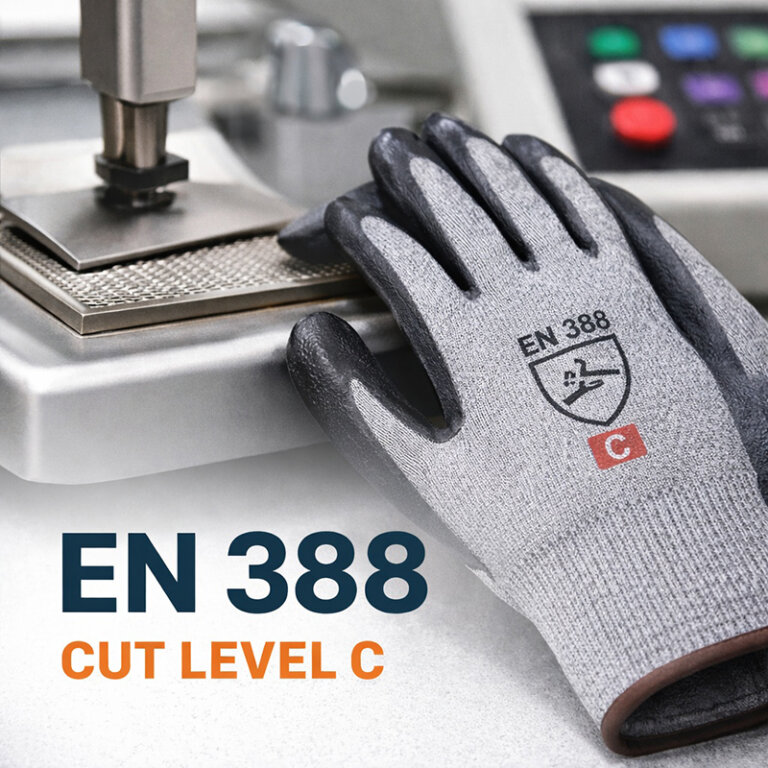
Are EN 388 Letter Cut Levels Really More Reliable Than Numbers?
This article explains why EN 388 introduced letter cut levels (A–F), how they differ from traditional numeric ratings, and how buyers should interpret them in real working conditions.
 Skip to content
This article explains why EN 388 introduced letter cut levels (A–F), how they differ from traditional numeric ratings, and how buyers should interpret them in real working conditions.
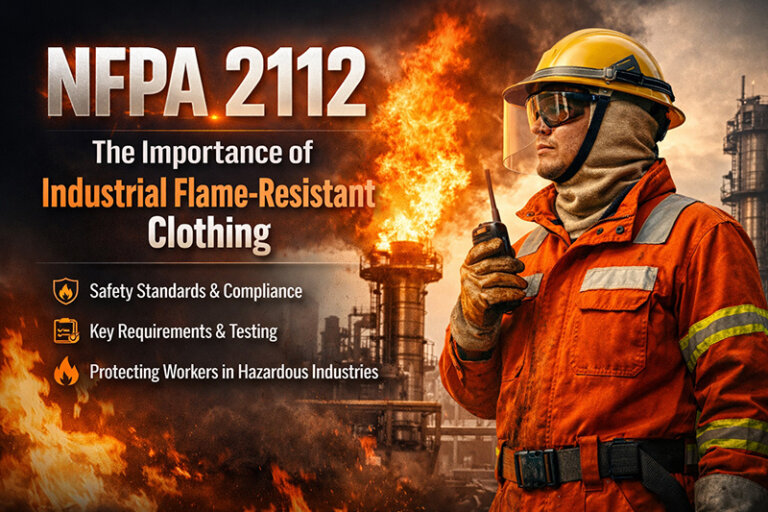
NFPA 2112 is a critical standard for industrial flame-resistant clothing, designed to protect workers in high-risk industries such as oil, gas, chemical, and power generation. This article explains the key requirements, testing methods, material selection, and the importance of compliance for employee safety and regulatory adherence.
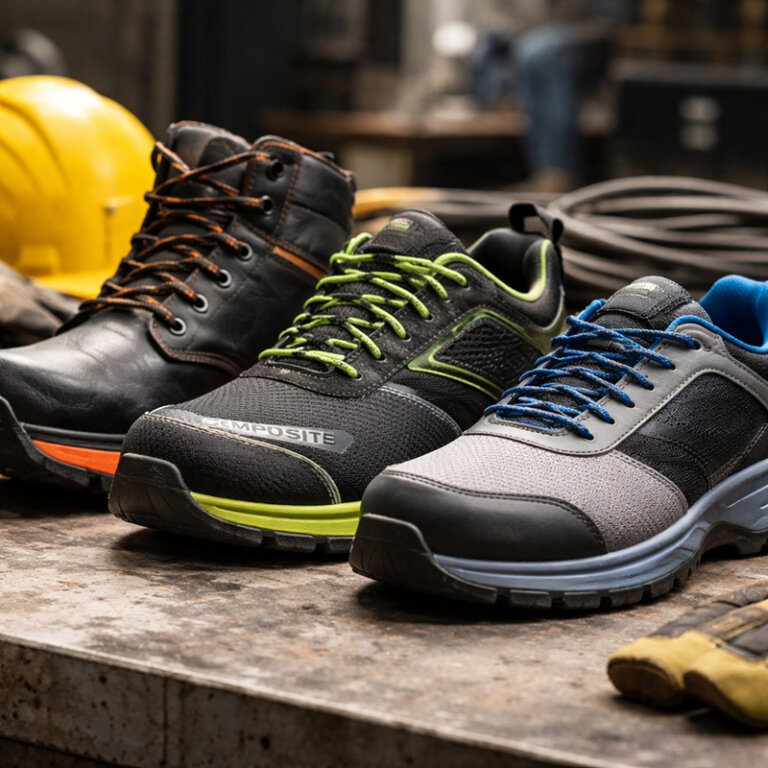
Learn the advantages and disadvantages of steel toe, composite, and other safety shoe materials to choose the best footwear for your work environment.
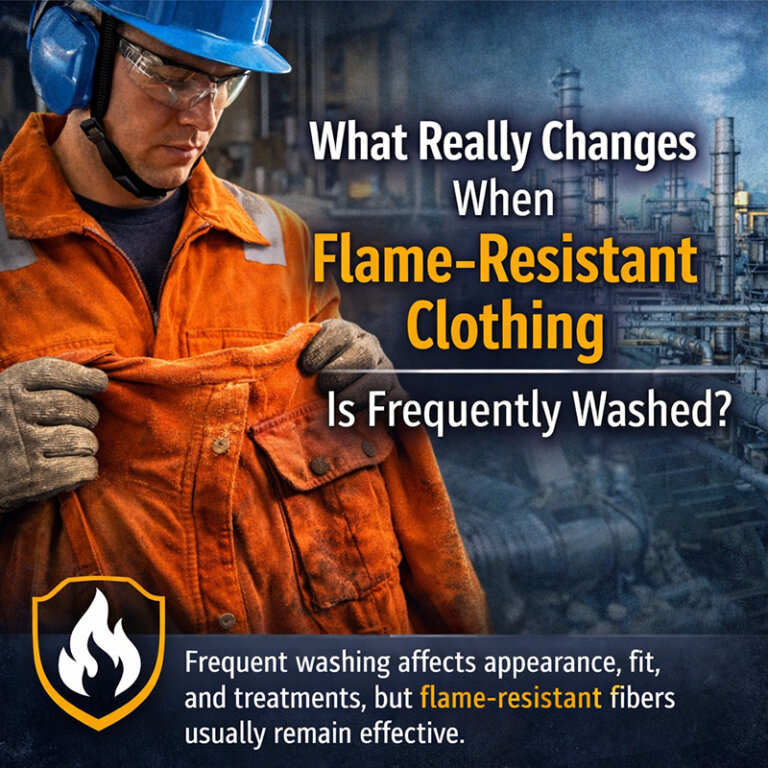
Frequent washing affects the appearance, fit, and secondary features of flame-resistant clothing, but the core protective fibers usually remain effective. Regular care and inspection are key to long-lasting safety.
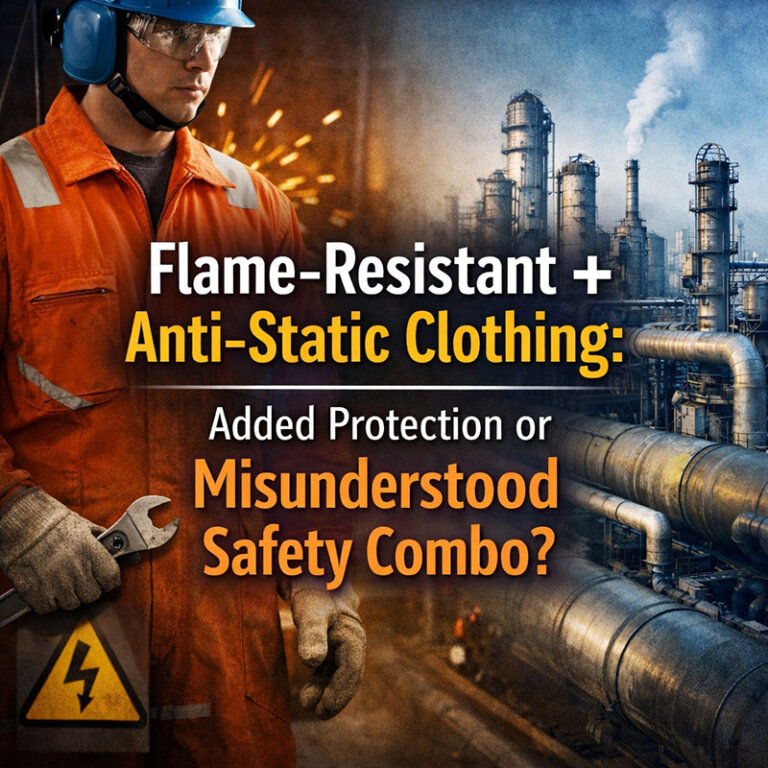
Flame-resistant and anti-static clothing is often seen as a higher level of protection, but its effectiveness depends on correct risk assessment and application. This article explains where the combination works—and where it is commonly misunderstood.

Many buyers assume that heavier flame resistant clothing offers better protection. In reality, fabric weight only describes how heavy a garment is—not how it performs under thermal hazards. This article explains why relying on GSM alone can be misleading, and what truly matters when selecting flame resistant clothing for real-world safety.

Inherent and treated flame-resistant fabrics offer different levels of protection. This article explains their characteristics, advantages, and limitations, helping employers select the right FR clothing for worker safety and thermal protection.

Flame-resistant clothing is designed to resist ignition and self-extinguish, but this does not automatically guarantee effective thermal protection. This article explains the critical differences between flame resistance and real heat protection, helping readers understand what truly matters when selecting FR clothing for high-temperature work environments.

Painting and abrasive blasting may look similar, but their PPE requirements are fundamentally different. This article explains how liquid penetration and high-impact abrasion define two completely different protection logics—and why these PPE types should never be mixed.

Painting protective suits are designed to block liquid paint and chemical penetration, while blasting PPE is built to withstand constant abrasive impact. Understanding these differences helps ensure the right protective clothing is used for each application.

Painting hoods are lightweight with efficient filtration for paint fumes, while blasting helmets are sturdy with independent air supply for dust protection. Their structural differences stem from distinct operational hazards.

Painting PPE cannot replace sandblasting PPE due to high dust, abrasive impact, and long-duration risks. Proper PPE selection is essential for worker safety.


 Optimized by Seraphinite Accelerator