Skip to content
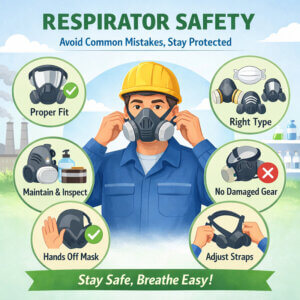
Respirators are only effective when used correctly. Learn the most common mistakes workers make and how to avoid them to ensure maximum respiratory protection in the workplace.
Why Proper Respirator Use Matters
Even high-quality respirators fail if worn or maintained incorrectly. Common errors can reduce protection, increase exposure risk, and cause discomfort. Awareness and training are key to effective respiratory safety.
Common Mistakes and How to Avoid Them
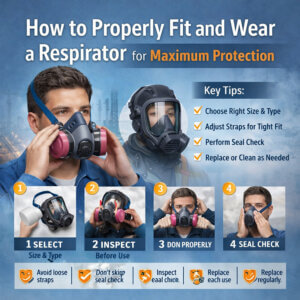
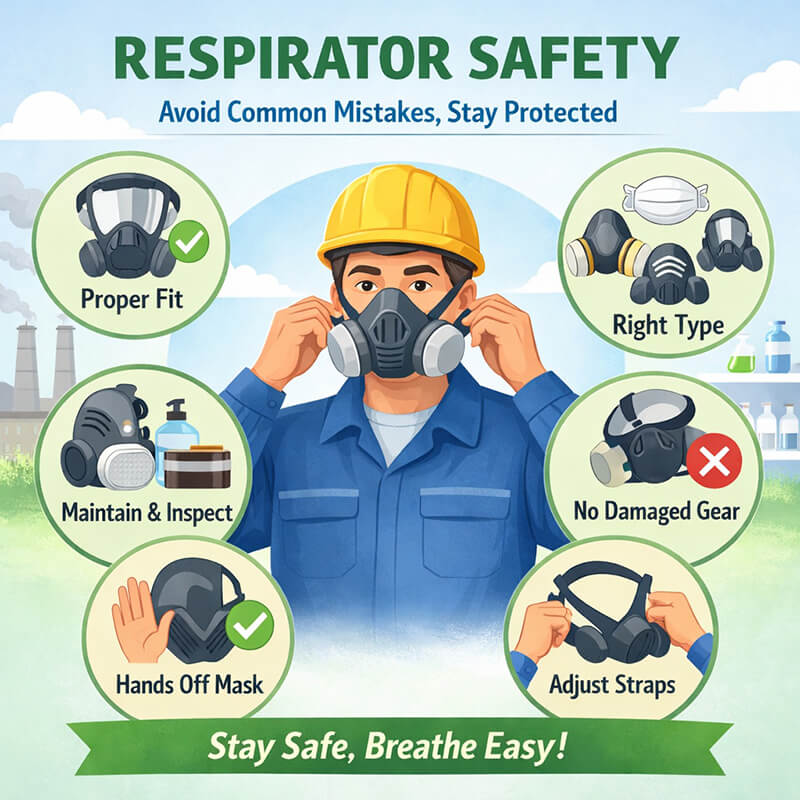
1. Incorrect Fit
-
Mistake: Wearing a respirator that does not fit properly or skipping a seal check
-
Solution: Perform fit testing and seal checks every time before use
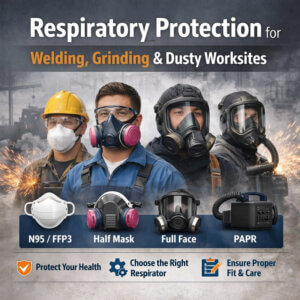
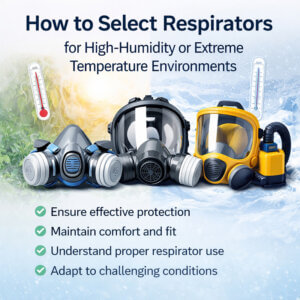
2. Using the Wrong Type of Respirator
-
Mistake: Using a dust mask for chemical fumes or toxic gases
-
Solution: Match respirator type to the specific workplace hazard (dust, chemicals, fumes, or pathogens)
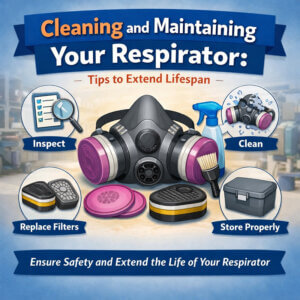
3. Ignoring Maintenance
-
Mistake: Not cleaning reusable respirators or replacing filters
-
Solution: Follow manufacturer instructions for cleaning, filter replacement, and storage
4. Wearing Damaged or Expired Equipment
-
Mistake: Using cracked, torn, or expired masks
-
Solution: Inspect respirators before each use and replace damaged or old components
5. Touching the Mask Frequently
-
Mistake: Adjusting or touching the mask surface repeatedly
-
Solution: Avoid contact with mask surface; handle straps and edges only
6. Incorrect Strap Placement
-
Mistake: Straps twisted or positioned incorrectly, compromising the seal
-
Solution: Adjust straps according to manufacturer guidelines to maintain a tight seal
Key Tips for Correct Usage
-
Always select the right respirator for the hazard
-
Perform a seal check each time
-
Inspect, clean, and maintain reusable respirators regularly
-
Train workers on proper donning, doffing, and storage
-
Replace filters or cartridges as recommended
Key Takeaways
-
Proper selection, fit, and maintenance are essential for respirator effectiveness
-
Avoid shortcuts and common errors to ensure maximum protection
-
Training and routine checks significantly improve safety and comfort