Noise in the workplace is more than just uncomfortable—it can be a serious occupational hazard. Long-term exposure to high decibel levels may cause irreversible hearing damage. Choosing the right earplugs is not only a compliance requirement but also an investment in employee health and safety.
With so many types, materials, and specifications available, how do you pick the right one for your workplace? Here’s a step-by-step guide to help you make the right choice.
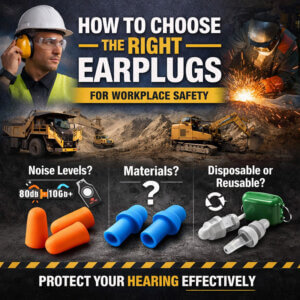
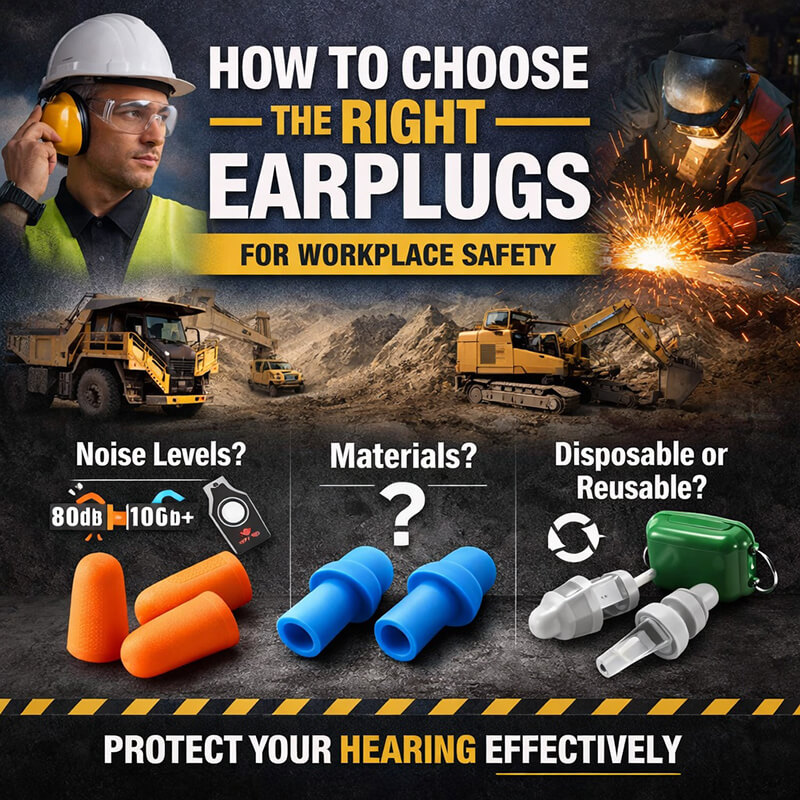
1. Start with Noise Levels, Not Price
Before buying earplugs, determine the noise level in your work environment.
Typical noise ranges:
-
80–90 dB: Low-level noise (machinery, light processing)
-
90–100 dB: Moderate to high noise (construction, manufacturing)
-
100 dB+: High noise (metal stamping, mining)
The key specification is the Noise Reduction Rating (NRR / SNR):
-
Low noise: NRR 20–25 dB is sufficient
-
Moderate to high noise: NRR 25–30 dB recommended
-
Extreme noise: Use earplugs plus earmuffs for extra protection
Common mistake: Higher NRR isn’t always better. Over-isolation may interfere with communication and safety.
2. Material Matters for Comfort and Wear Time
Earplugs are often worn for long hours, so comfort is crucial.
Common earplug materials:
-
PU Foam Earplugs
-
Soft, conforms to the ear canal, cost-effective
-
Best for long shifts and disposable use
-
-
Silicone Earplugs
-
Durable, washable, shape-retaining
-
Ideal for repeated use in humid or high-temperature environments
-
-
Pre-Molded Multi-Layer Earplugs
-
No rolling needed, easy to insert
-
Great for environments where frequent removal is required
-
If employees complain about discomfort or falling earplugs, it’s usually a material or size issue, not a protection failure.
3. Disposable vs. Reusable: Match Your Management System
Many companies choose the wrong type because they don’t consider how earplugs are managed.
-
Disposable Earplugs
-
Hygienic, low cost, easy to issue
-
Suitable for high turnover work sites
-
-
Reusable Earplugs
-
Longer life, lower cost per use
-
Best for fixed workplaces with proper cleaning protocols
-
Tip: If cleaning and collection cannot be guaranteed, disposable earplugs are safer.
4. Fit and Wearability Affect Real Protection
Even the best earplugs won’t protect if worn incorrectly.
When selecting, consider:
-
Ease of proper insertion
-
Clear fitting instructions
-
Compatibility with gloves or other PPE
Rule of thumb: The simpler and more foolproof the earplug, the better the real-world protection.
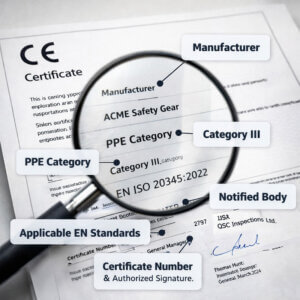
5. Don’t Overlook Certifications and Standards
Certified earplugs meet safety and performance standards, such as:
-
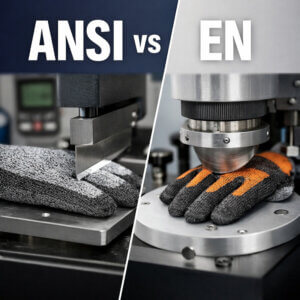
EN standards (Europe)
-
ANSI standards (USA)
These certifications ensure noise reduction performance and material safety, which is especially important for tender projects or exports.
6. The Best Earplugs Are the Ones Employees Actually Wear
From a procurement perspective, earplugs are low-cost consumables.
From a safety perspective, they determine whether hearing is truly protected.
A simple test: Will employees wear them consistently throughout the day? If not, rethink your choice.
Conclusion
Choosing the right earplugs isn’t about picking the most expensive or highest-rated product. It’s about finding the right balance between noise level, comfort, usage scenario, and management practices.
If you want guidance on:
-
Matching earplugs to different workplace environments
-
Certified earplugs for export projects
-
Combining earplugs with other hearing protection solutions
You can find solutions that protect hearing while keeping employees comfortable and compliant. If you’d like to learn more, please contact us.