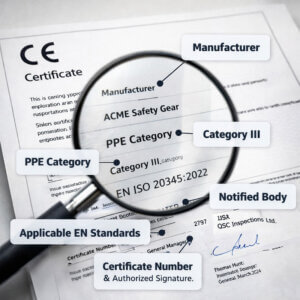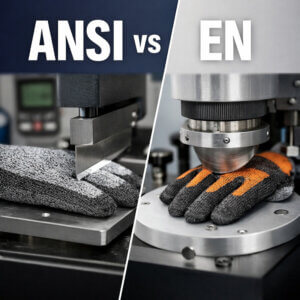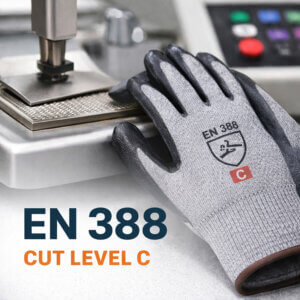
When sourcing PPE, many buyers first look at technical parameters: cut levels, EN or ANSI ratings, puncture resistance, or chemical protection.
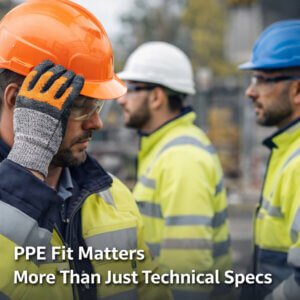
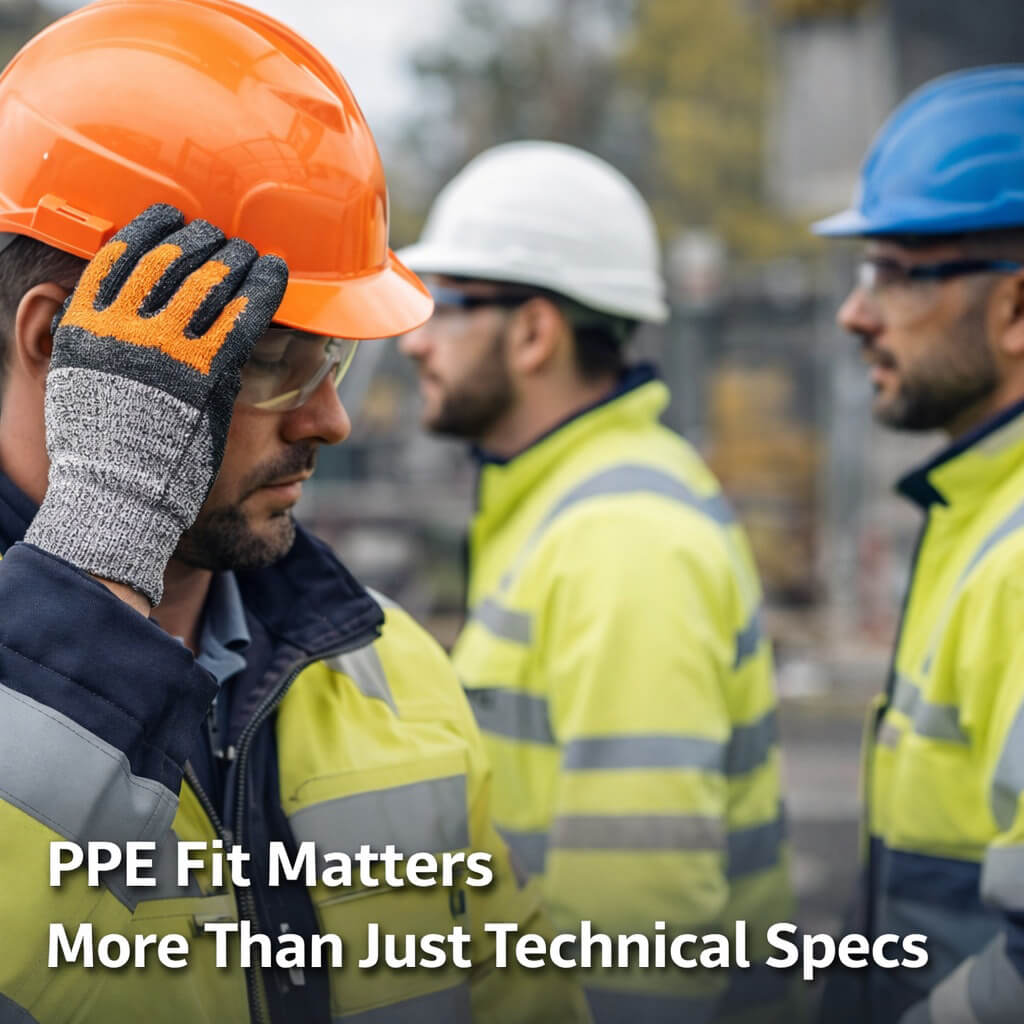
While these numbers are important, at CHEAMYPPE we have learned that how PPE fits the user often determines whether it actually protects them. A high-spec glove that is too tight, a helmet that slips, or a suit that restricts movement can all compromise safety, no matter what the numbers say.
This article explains why adaptability and fit often outweigh raw specs, and how understanding this can lead to better safety outcomes.
1. Comfort Directly Affects Compliance
Workers are more likely to consistently wear PPE if it fits well.
-
Gloves that are too tight can reduce dexterity and lead to accidental cuts.
-
Helmets or goggles that slide or pinch may be removed mid-task.
-
Protective clothing that restricts movement can increase fatigue and reduce vigilance.
Lesson: Even the highest-rated PPE fails if it’s uncomfortable or inconvenient to wear. Fit ensures compliance, which ensures actual protection.
2. One Size Does Not Fit All
PPE standards (EN, ANSI) define performance thresholds, but they cannot account for individual differences:
-
Hand size and shape vary significantly—especially gloves.
-
Body proportions differ, affecting suit and vest coverage.
-
Foot shape matters for safety shoes.
Buying based solely on specs may lead to PPE that technically meets standards but leaves gaps or discomfort.
Lesson: Adaptable sizing or customizable PPE can significantly improve real-world safety.
3. Fit Enhances Functional Performance
Beyond comfort, proper fit improves the effectiveness of PPE:
-
Well-fitted gloves improve grip and control, reducing slips and accidents.
-
Helmets and eye protection stay in the correct position, maximizing impact resistance.
-
Safety footwear that fits properly supports balance and reduces fatigue, preventing slips and strains.
Even small adjustments in PPE design—elastic cuffs, adjustable straps, ergonomic shapes—can make a major difference.
4. Real Work Environments Matter
Technical specs are often measured in ideal lab conditions.
-
Wet, cold, or dusty environments can affect PPE performance.
-
PPE that fits poorly in lab tests may fail in real work conditions.
-
Employees often adjust or remove ill-fitting PPE, which nullifies the protection.
Lesson: PPE must be tested and selected for real-world fit, not just lab performance numbers.
5. How CHEAMYPPE Ensures Fit
At CHEAMYPPE, we prioritize:
-
Providing multiple sizes and adjustable designs
-
Highlighting fit-related tips in our product information
-
Recommending products based on actual work scenarios
This approach ensures that our PPE doesn’t just meet standards on paper, it actually protects people on the job.
Conclusion
While technical specifications matter, fit and adaptability often determine whether PPE is effective.
Choosing PPE without considering fit is like buying a high-performance car without checking the driver’s seat: the potential is wasted if it doesn’t suit the user.
At CHEAMYPPE, our focus on fit first ensures that safety, comfort, and compliance go hand in hand.