Understanding the Dangers of Extreme Cold
Working with liquid nitrogen or in cryogenic environments presents unique challenges. Temperatures can drop below –196°C, posing severe risks such as frostbite, hypothermia, and tissue damage within seconds of exposure. Ordinary workwear offers no protection at these temperatures — that’s where cryogenic protective clothing becomes essential.
What Is Cryogenic Protective Clothing?
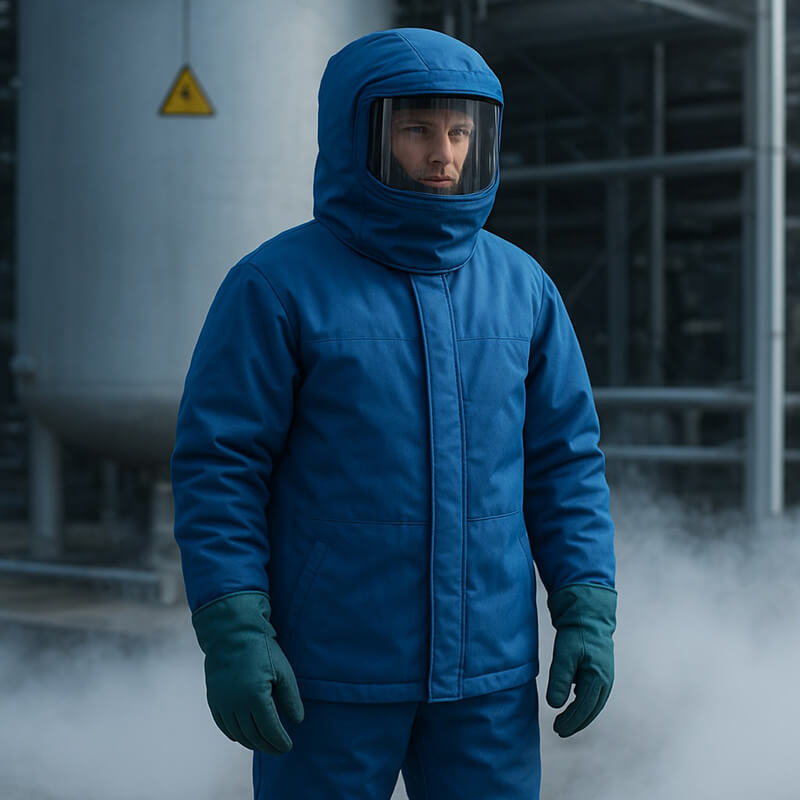
Cryogenic protective clothing, also known as anti-freeze suits or liquid nitrogen suits, is designed to protect workers from extreme cold and accidental splashes of cryogenic liquids.
These suits are typically made from multi-layered insulated fabrics, with an outer layer resistant to liquid penetration and an inner layer that minimizes heat transfer. Some include ventilation zones, ensuring comfort during long working hours in controlled environments.
Key Features of Liquid Nitrogen Suits
-
Multi-layer Insulation: Reduces thermal conductivity to maintain body warmth.
-
Water- and Vapor-Resistant Materials: Prevents liquid nitrogen from soaking through the fabric.
-
Flexible Design: Ensures freedom of movement without compromising safety.
-
Full-Body Coverage: Usually includes jackets, trousers, gloves, aprons, and face shields for comprehensive protection.
-
Tested for Cryogenic Standards: Certified according to EN 511, EN 342, or ASTM F2732 standards.
Where Are Cryogenic PPE Suits Used?
Cryogenic protective suits are not limited to laboratories. They are used across various industries, including:
-
Chemical and Gas Processing Plants
-
Pharmaceutical and Biotechnology Laboratories
-
Food Freezing and Cold Storage Facilities
-
Medical and Research Institutions
-
Aerospace and Electronics Manufacturing
How Cryogenic PPE Prevents Frostbite
When exposed to liquid nitrogen, even a small splash can cause instant frostbite. Cryogenic gloves and aprons are designed to repel and delay the transfer of cold, giving workers precious seconds to react safely. The thermal barrier system inside the suit traps air pockets that slow heat loss, offering protection without bulk.
Comfort Meets Protection
One of the biggest advancements in cryogenic PPE is the balance between comfort and safety. Modern designs incorporate lightweight insulation, ergonomic tailoring, and breathable materials — allowing workers to stay mobile and focused even in extremely low temperatures.
Choosing the Right Cryogenic Protective Clothing
When selecting cryogenic PPE, always consider:
-
The exposure level (liquid nitrogen handling, vapor work, or storage area)
-
Temperature rating and certification
-
Fit and mobility for specific tasks
-
Compatibility with other PPE equipment, such as respirators and face shields
Partnering with a reliable PPE supplier ensures that your team receives protective gear that meets international safety standards while maintaining comfort and usability.
Conclusion
Cryogenic protective clothing is not just about staying warm — it’s about staying safe when working with materials as dangerous as liquid nitrogen. Investing in the right cryogenic PPE minimizes risks, enhances productivity, and reinforces your company’s commitment to safety.