
PPE Requirements for Construction Workers on Job Sites
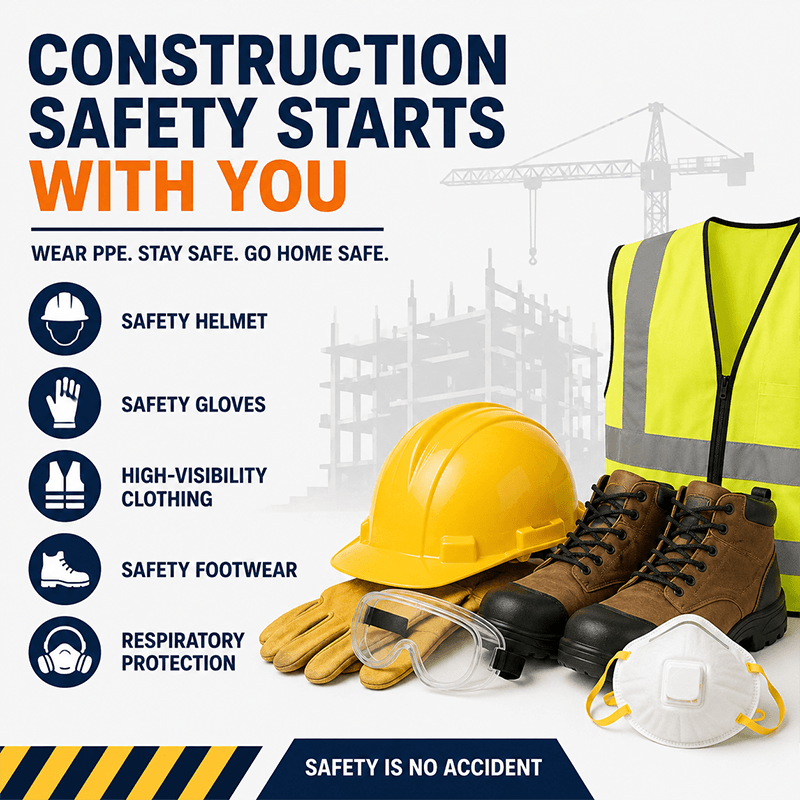
Personal Protective Equipment (PPE) is the first line of defense for workers on construction sites. Different job roles face different hazards such as falling objects, dust, noise, and chemical exposure, requiring appropriate protection like safety helmets, gloves, high-visibility clothing, safety footwear, and respiratory protection. Proper selection and correct use of PPE not only reduce the risk of workplace injuries but also improve overall site safety, efficiency, and compliance.
One-stop PPE Solution: What Should Contractors Look For?
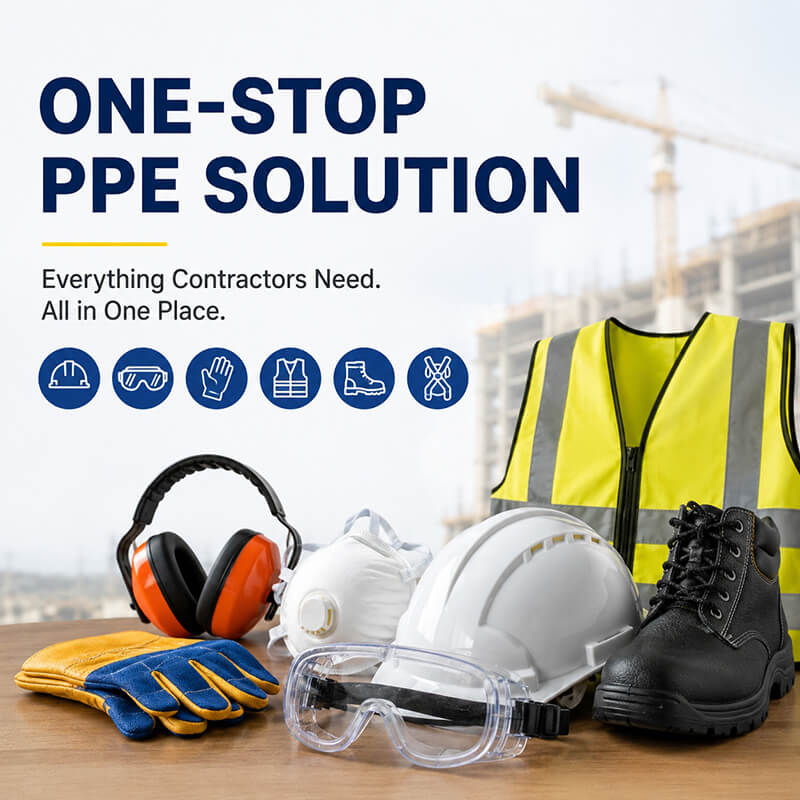
This article explains what contractors should look for in a one-stop PPE solution, including complete product coverage, consistent quality, bulk supply capability, customization options, and reliable logistics. It highlights how an integrated PPE solution helps contractors simplify procurement, reduce risks, and ensure consistent protection across large projects.
PPE Procurement Guide for International Projects
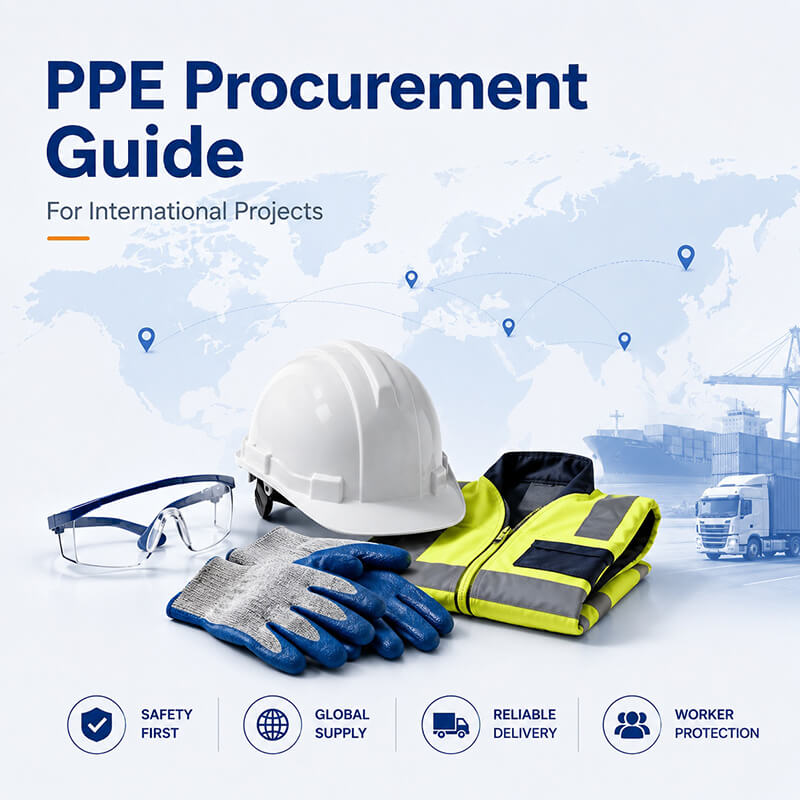
This PPE procurement guide explains how international projects can improve safety and supply stability through better supplier evaluation, compliance planning, logistics management, and long-term PPE sourcing strategies.
Why One-Stop PPE Suppliers Save Time and Cost?
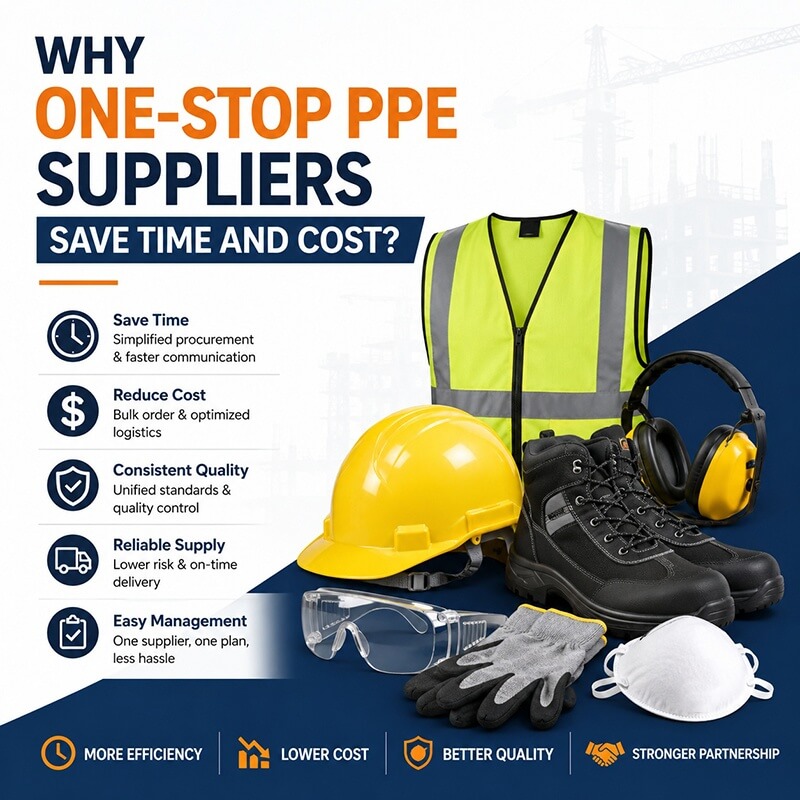
This article explains how one-stop PPE suppliers improve PPE sourcing efficiency by consolidating procurement, reducing administrative work, lowering logistics costs, improving communication, and streamlining production coordination. It highlights how contractors benefit from faster, simpler, and more cost-effective PPE procurement.
Common Mistakes When Sourcing PPE from Overseas Suppliers
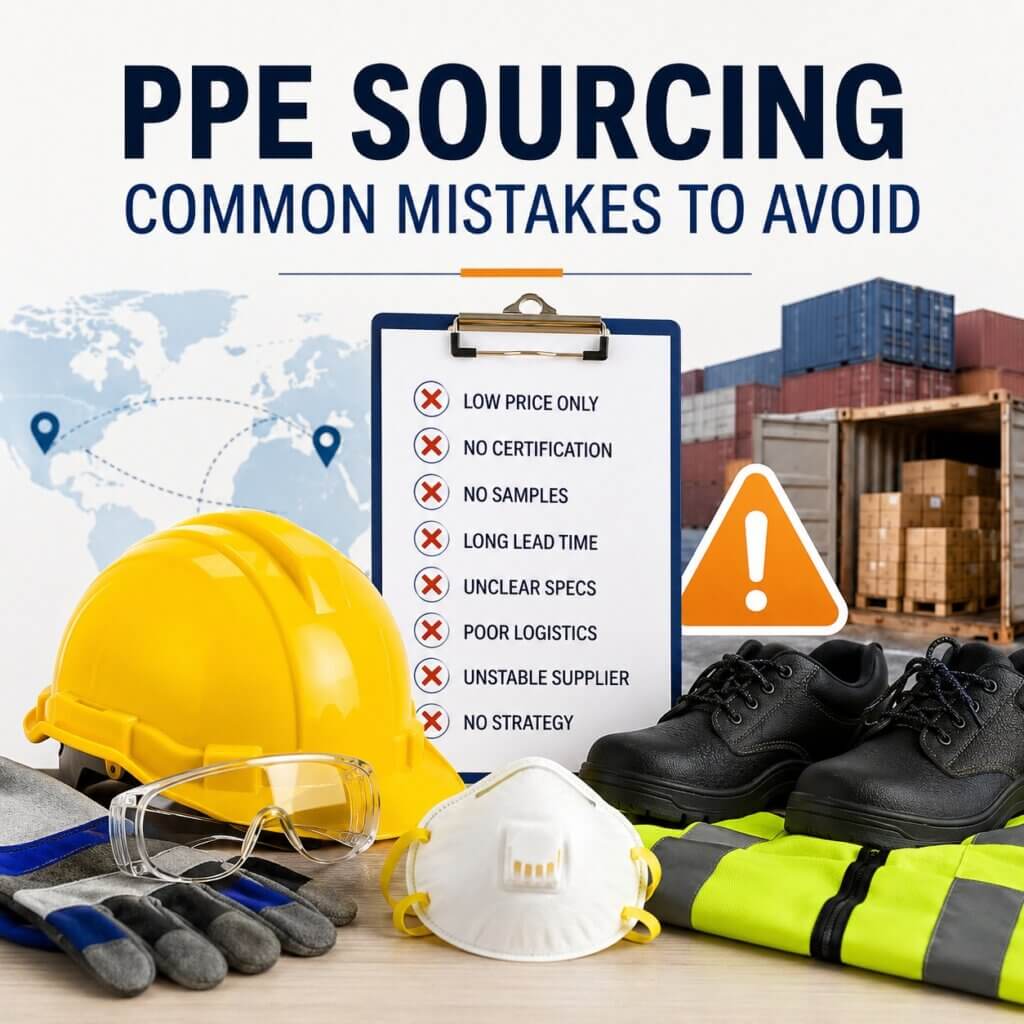
This article highlights common PPE sourcing mistakes when working with overseas suppliers, including focusing only on price, ignoring certifications, skipping samples, underestimating lead time, and poor communication. It helps buyers improve PPE procurement decisions and build a more reliable and cost-effective supply chain.
OEM PPE Supplier: What to Check Before Ordering?
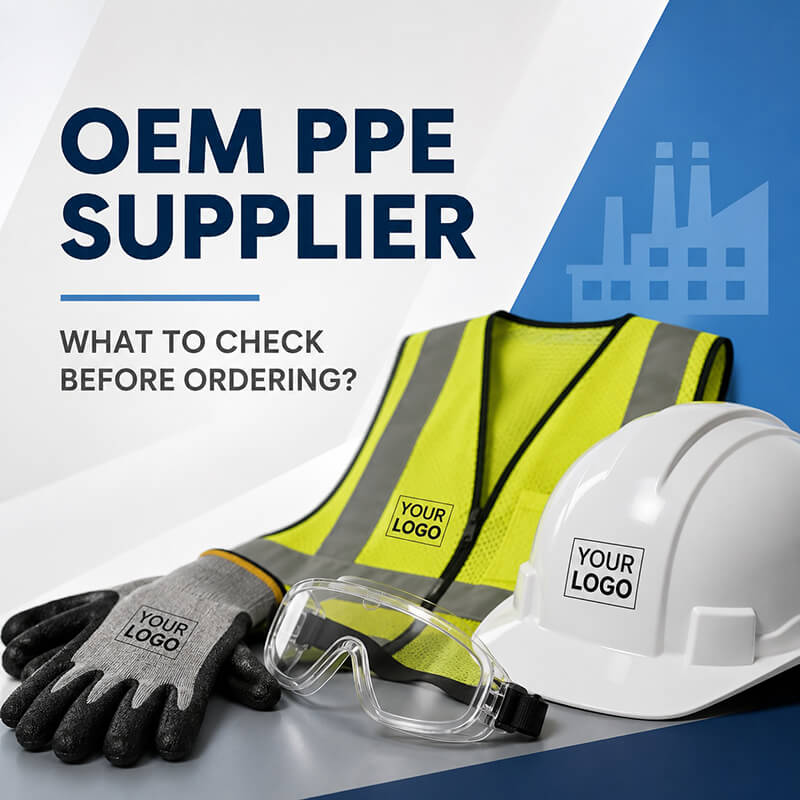
This article explains what to check before ordering from an OEM PPE supplier, including factory capability, customization options, certifications, quality consistency, MOQ, and production lead time. It helps buyers reduce risks and choose reliable OEM PPE partners for long-term branding and bulk production needs.
China PPE Supplier vs Local Supplier: Which Is Better?
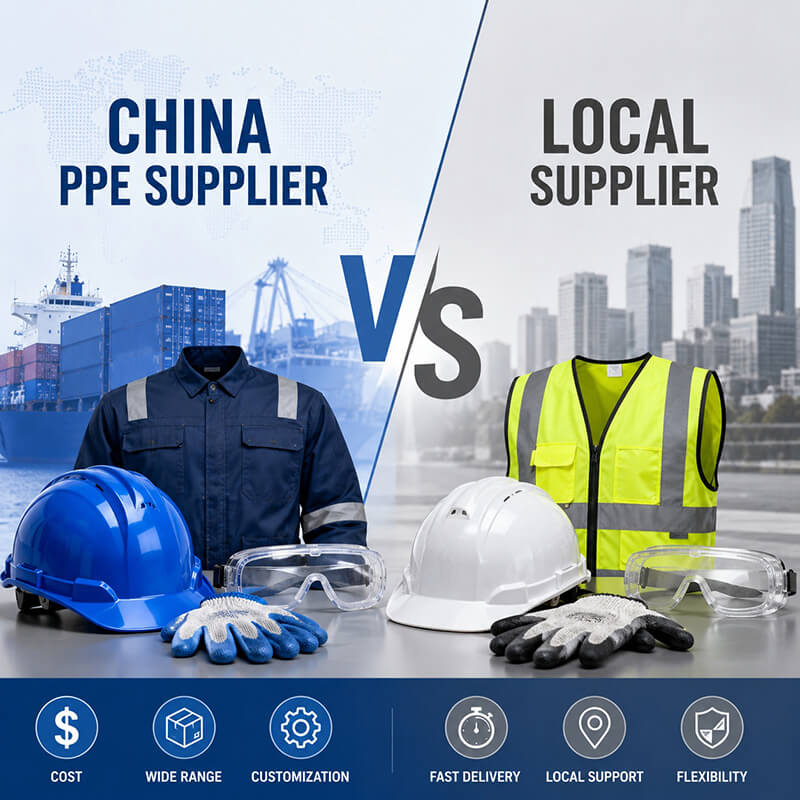
This article compares China PPE suppliers and local suppliers in terms of cost, delivery speed, product range, quality, and logistics. China suppliers are more suitable for bulk PPE orders, customization, and long-term projects, while local suppliers are better for urgent needs and fast delivery. The best strategy often combines both to balance cost efficiency and supply chain reliability.
How to Reduce PPE Purchasing Cost for Large Projects?
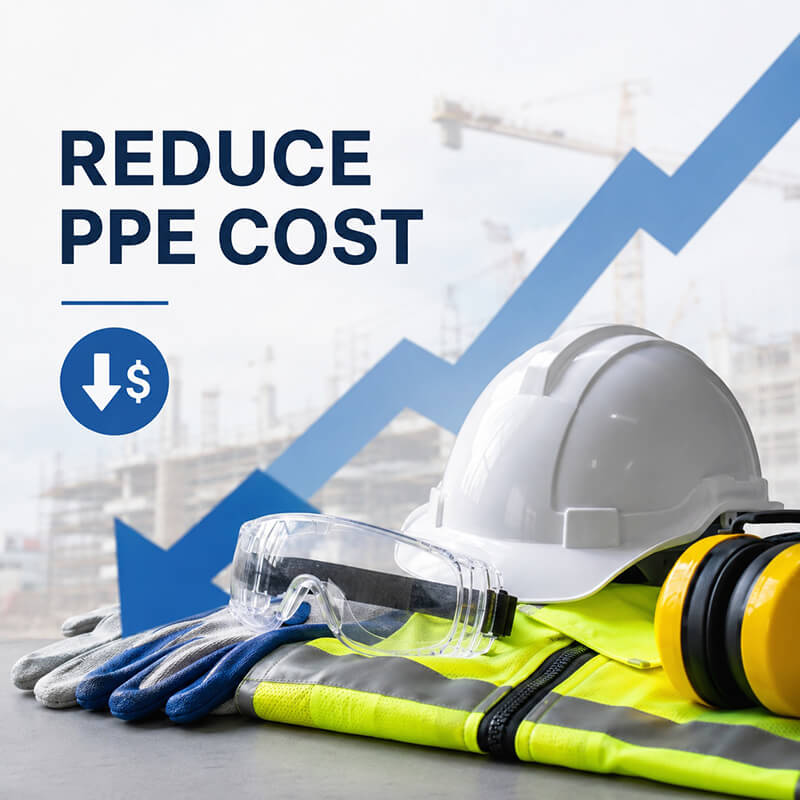
This article explains practical ways to reduce PPE cost in large projects without compromising safety. It covers key strategies such as accurate demand planning, bulk PPE purchasing, supplier consolidation, product standardization, and logistics optimization. It also highlights the importance of working directly with manufacturers and controlling inventory waste. The focus is on achieving lower total PPE procurement cost through smarter sourcing and long-term purchasing strategies.
How to Evaluate PPE Suppliers Before Placing Bulk Orders?
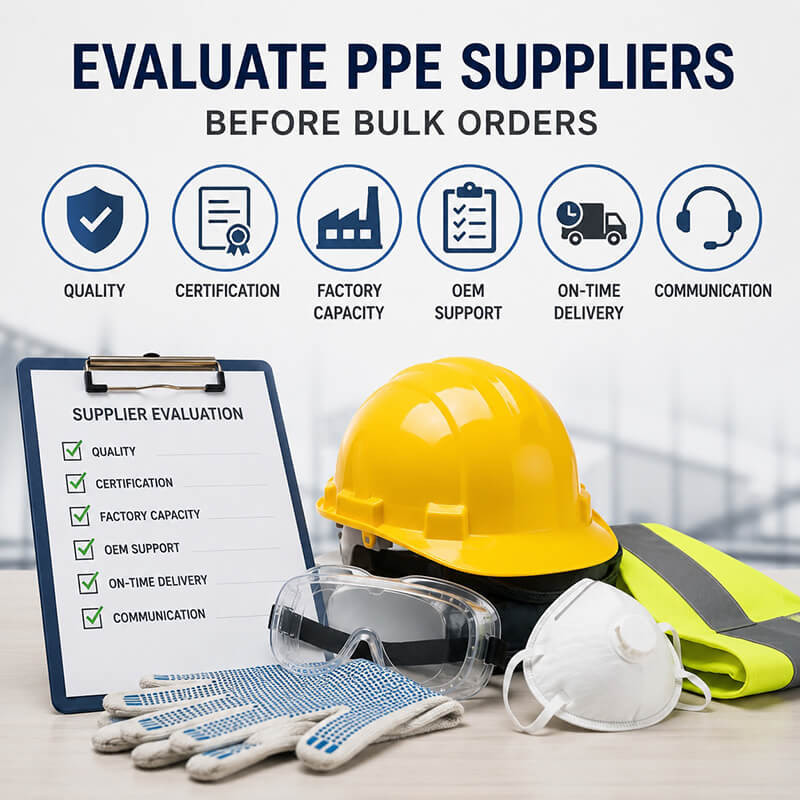
Learn how to evaluate PPE suppliers before placing bulk orders, including quality control, OEM capability, certifications, communication, and PPE factory reliability.
What Makes a Good PPE Manufacturer for Long-Term Cooperation?
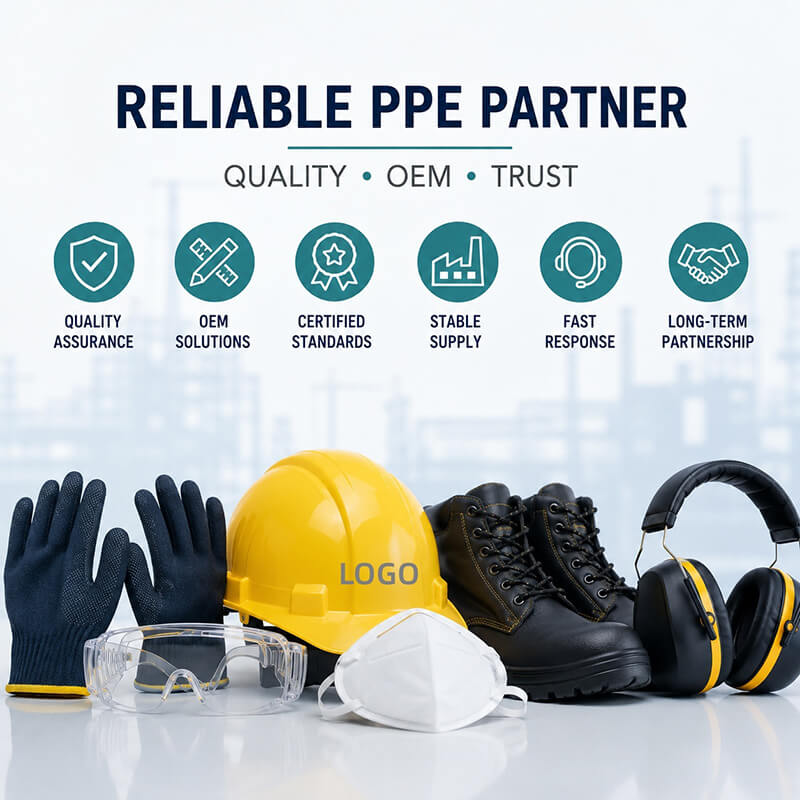
Learn what defines a reliable PPE manufacturer for long-term cooperation, including OEM PPE capability, quality consistency, compliance, and scalability for global safety supply chains.
How to Choose a Reliable PPE Supplier for Construction Projects?
Choosing a reliable PPE supplier is critical for construction projects. This article explains key factors such as product quality, OEM capability, safety standards, and supply stability to help project buyers select the right PPE partner.
How to Choose PPE for Hot Working Environments Without Sacrificing Comfort?
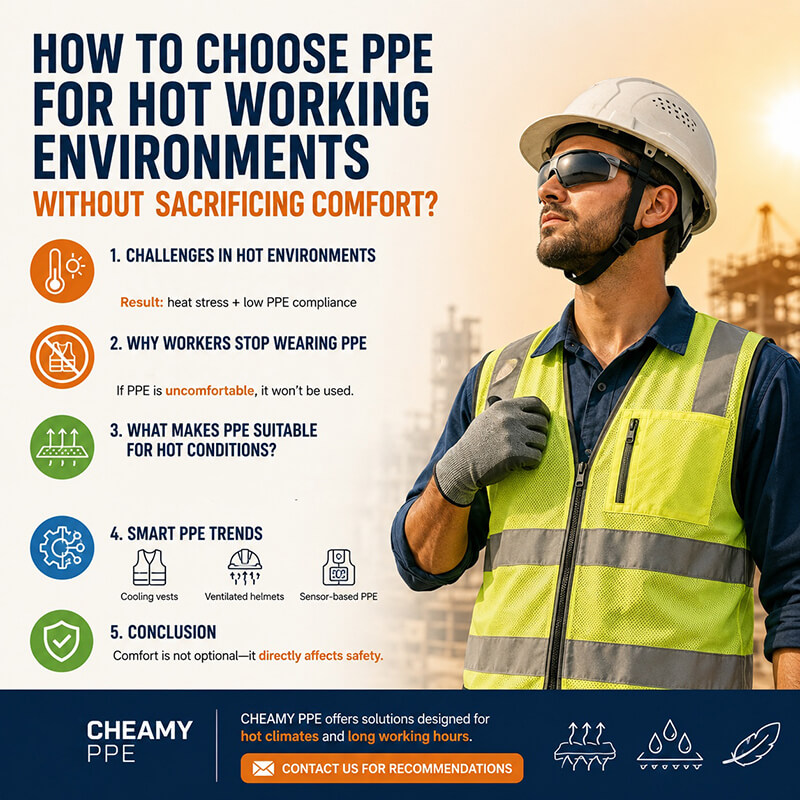
Working in hot environments makes PPE compliance more difficult due to heat, humidity, and discomfort. This article explains why workers remove PPE in high-temperature conditions and how lightweight, breathable, and ergonomic PPE can improve both comfort and safety.