 Skip to content
Why Choose CHEAMY PPE as Your China PPE Supplier?

Choosing a China PPE supplier involves more than comparing prices. Learn how CHEAMY PPE supports international buyers with a broad product range, OEM & ODM services, documentation, customization, and coordinated sourcing.
How to Write a PPE RFQ That Suppliers Can Actually Quote
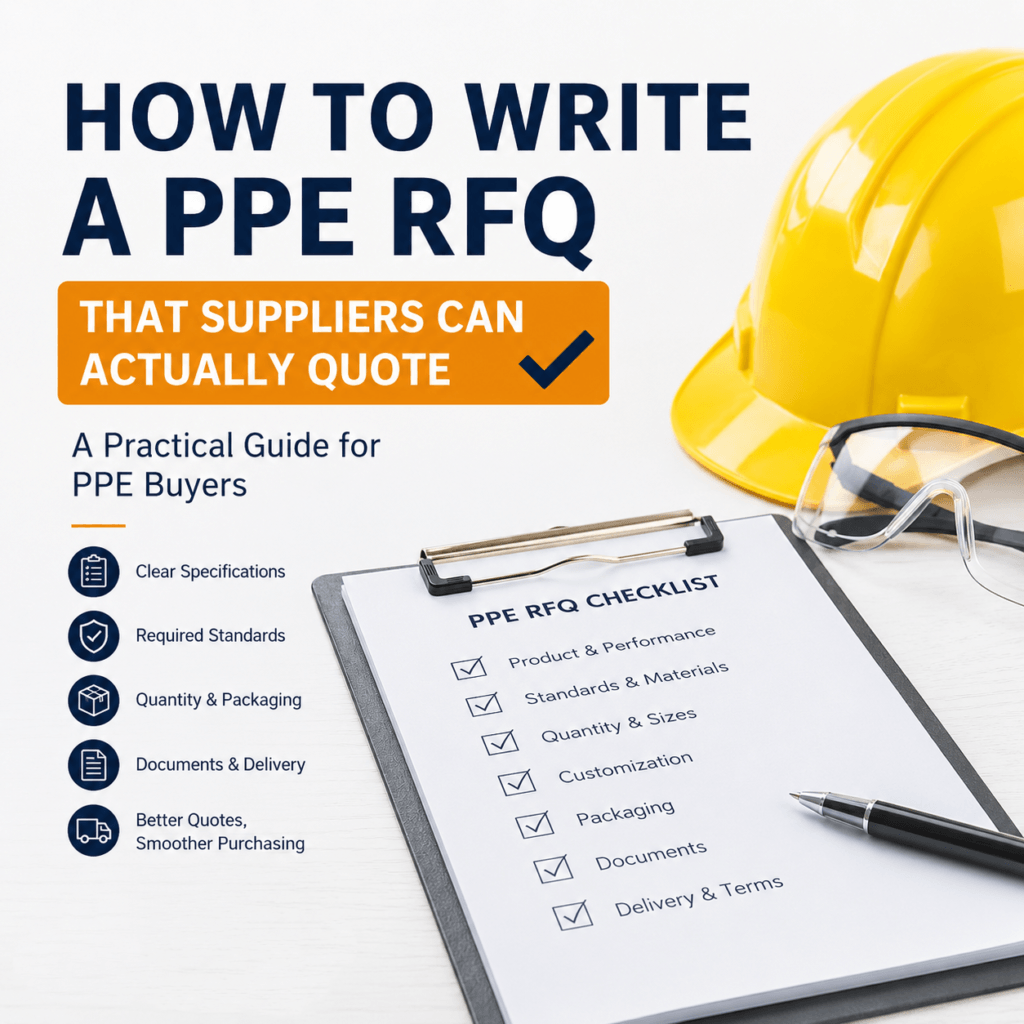
A practical guide for PPE buyers on writing clearer RFQs, avoiding common specification mistakes, comparing supplier quotations, and creating a smoother purchasing process.
HDPE vs ABS Safety Helmets: Which Material Is Right for Your Workplace?
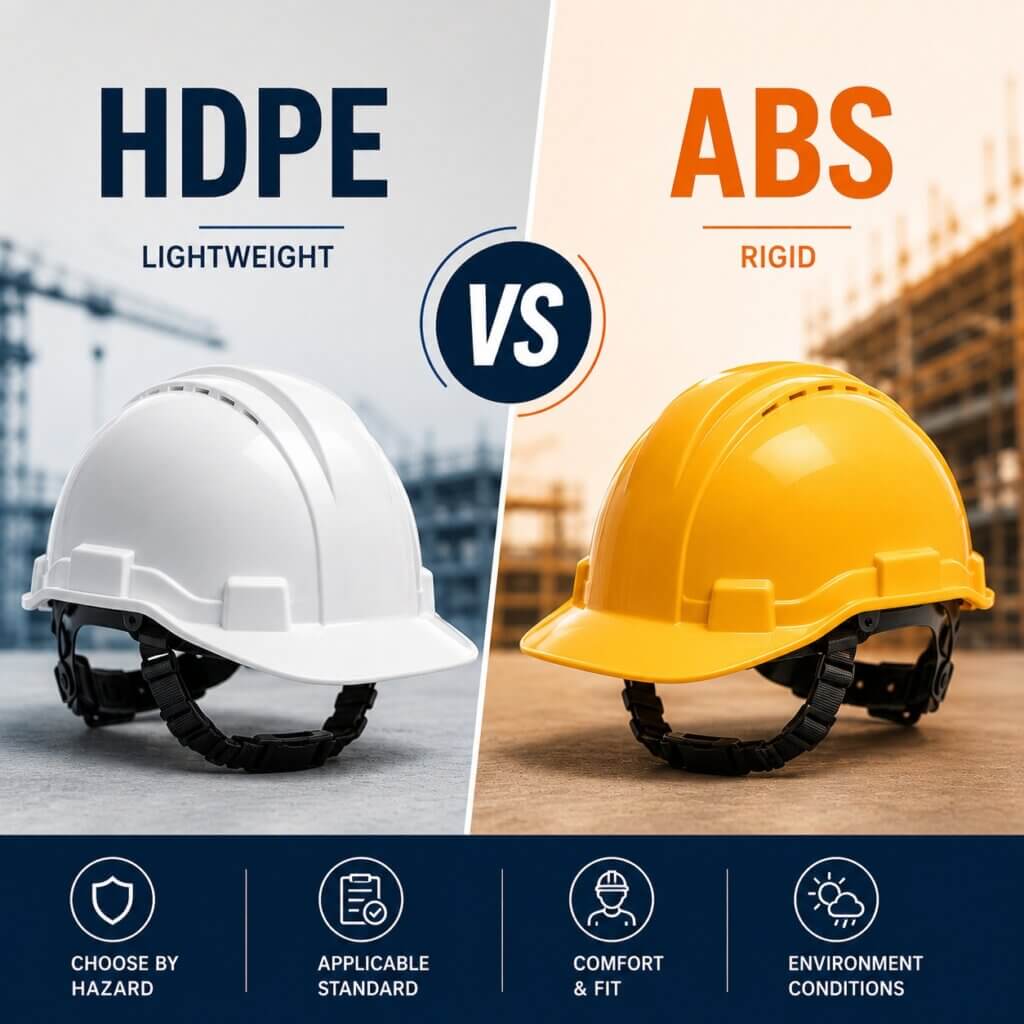
HDPE and ABS are two widely used materials for industrial safety helmets. Learn how their characteristics differ and how to choose the right helmet based on workplace hazards, standards, comfort, environment, and total cost.
EN 407 Explained: How to Choose Protective Gloves for Thermal Risks

EN 407 defines performance requirements for protective gloves against thermal risks, including flame, contact heat, convective heat, radiant heat, and molten metal. This guide explains how to read EN 407 ratings and choose heat-resistant gloves based on the actual workplace hazards, exposure conditions, and protection requirements.
EN 388 Explained: How to Read the Mechanical Protection Rating on Safety Gloves

Learn how to read EN 388 safety glove ratings, including abrasion, cut, tear, puncture, impact, and A–F cut resistance, and choose the right mechanical protection based on workplace hazards.
EN 13034 vs EN 14605: How to Choose the Right Chemical Protective Clothing
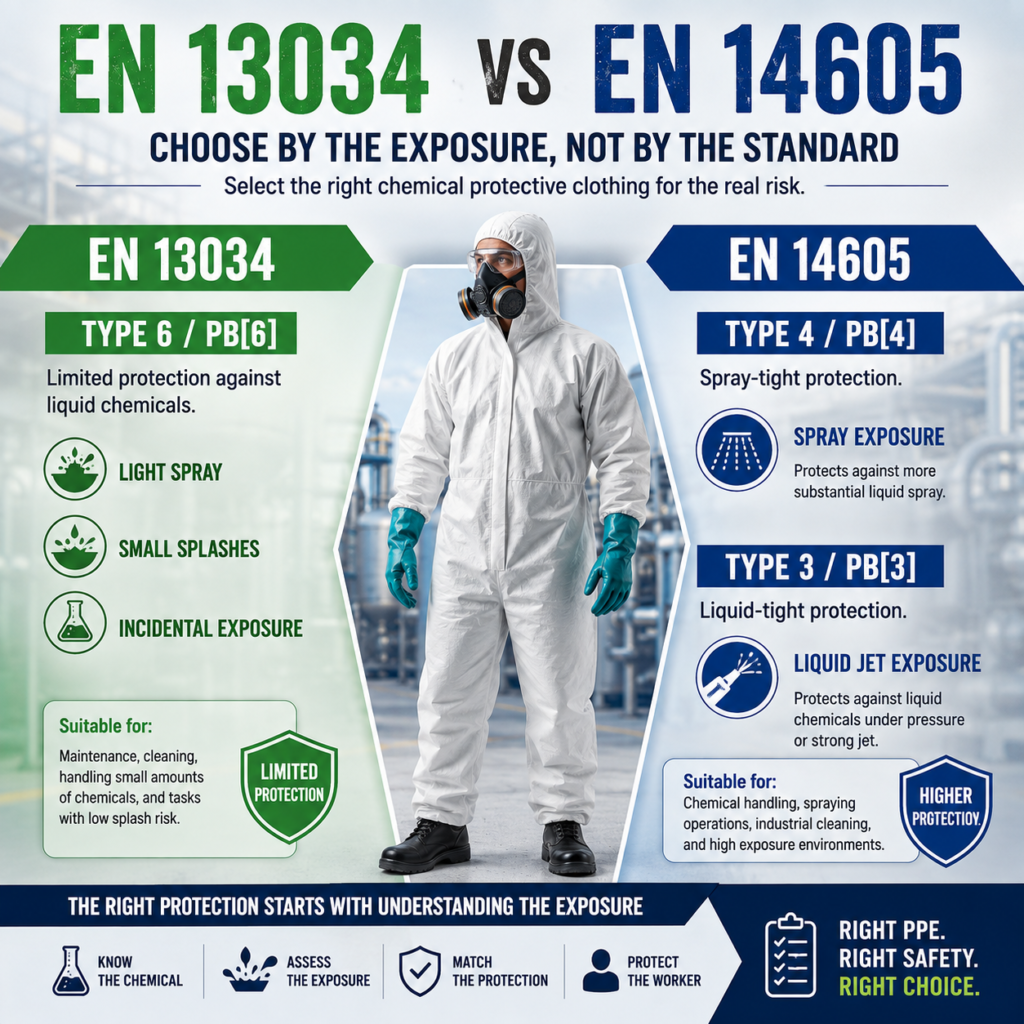
Learn the key differences between EN 13034 and EN 14605, including Type 6, Type 4 and Type 3 chemical protective clothing, and how to choose the right protection based on chemical exposure.
EN 1149-5 Explained: Why Antistatic Clothing Is More Than Just the Fabric
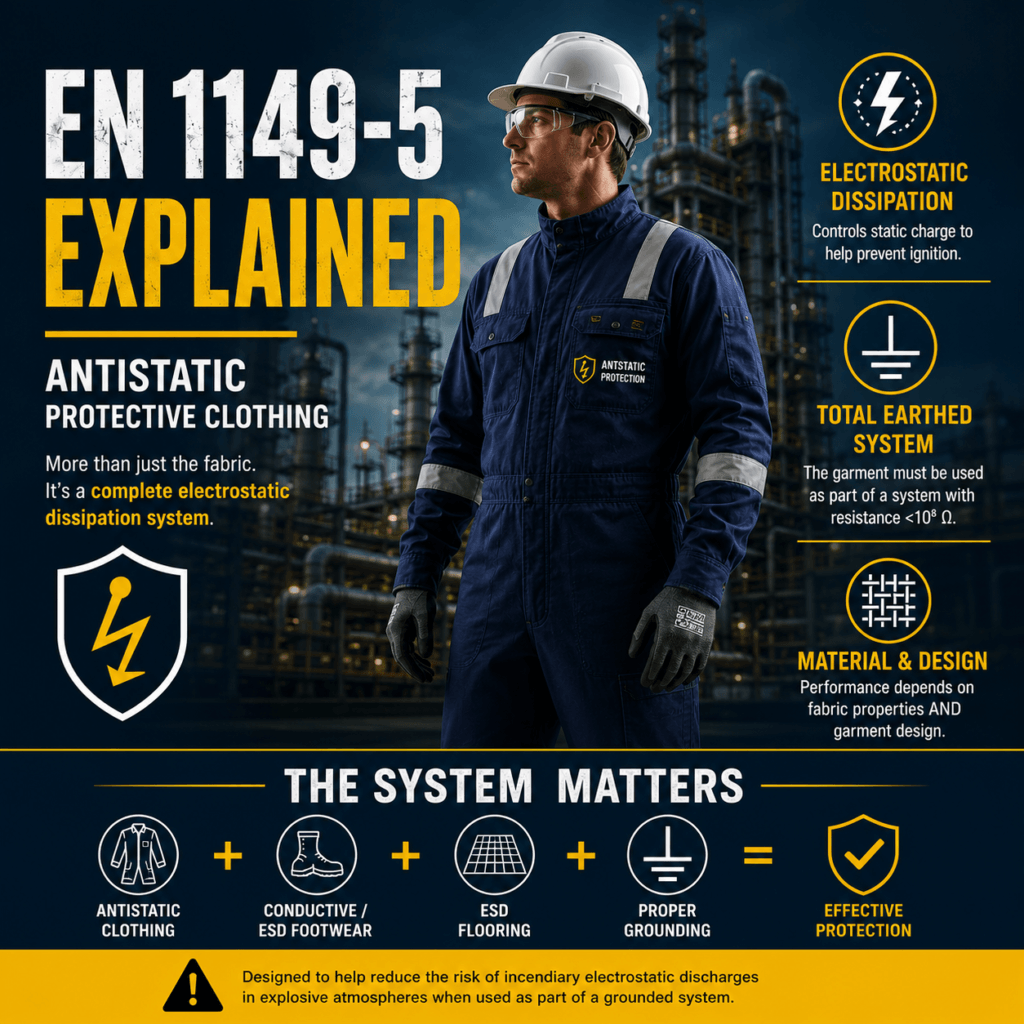
Learn what EN 1149-5 means, why antistatic clothing is more than just the fabric, and how electrostatic dissipation, grounding, garment design, and workplace hazards affect the selection of protective workwear.
Beyond the Reflective Stripes: How to Choose EN ISO 20471 High-Visibility Workwear
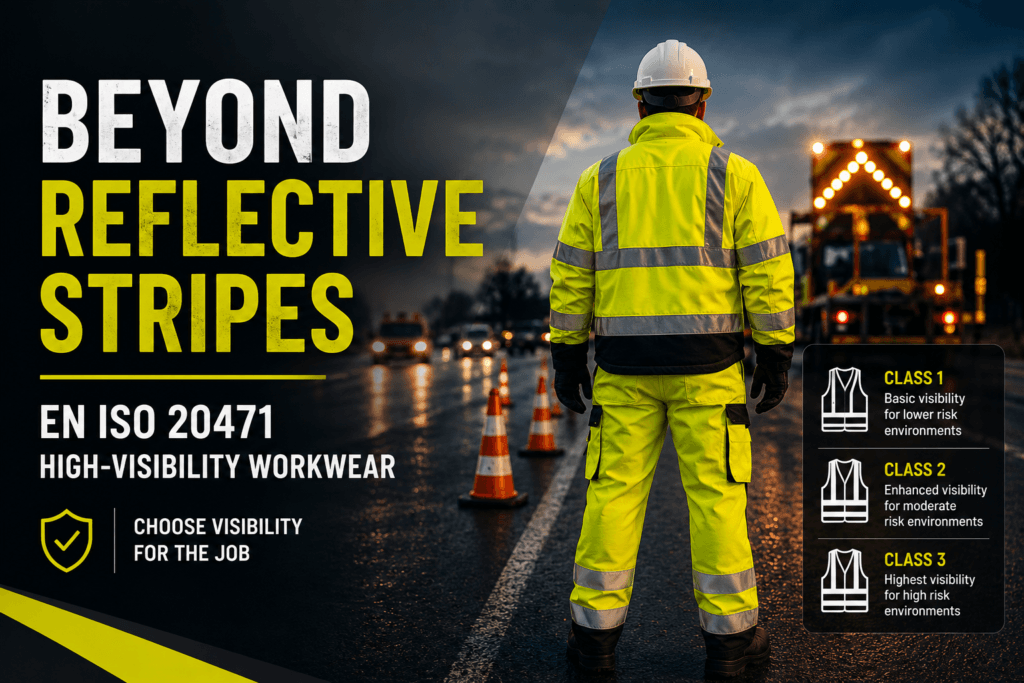
Learn how to choose the right EN ISO 20471 high-visibility workwear based on workplace risks, visibility class, garment design, customization, comfort, and additional protection requirements.
Can Safety Gloves Be Washed? A Guide to Cleaning and Maintaining Protective Gloves
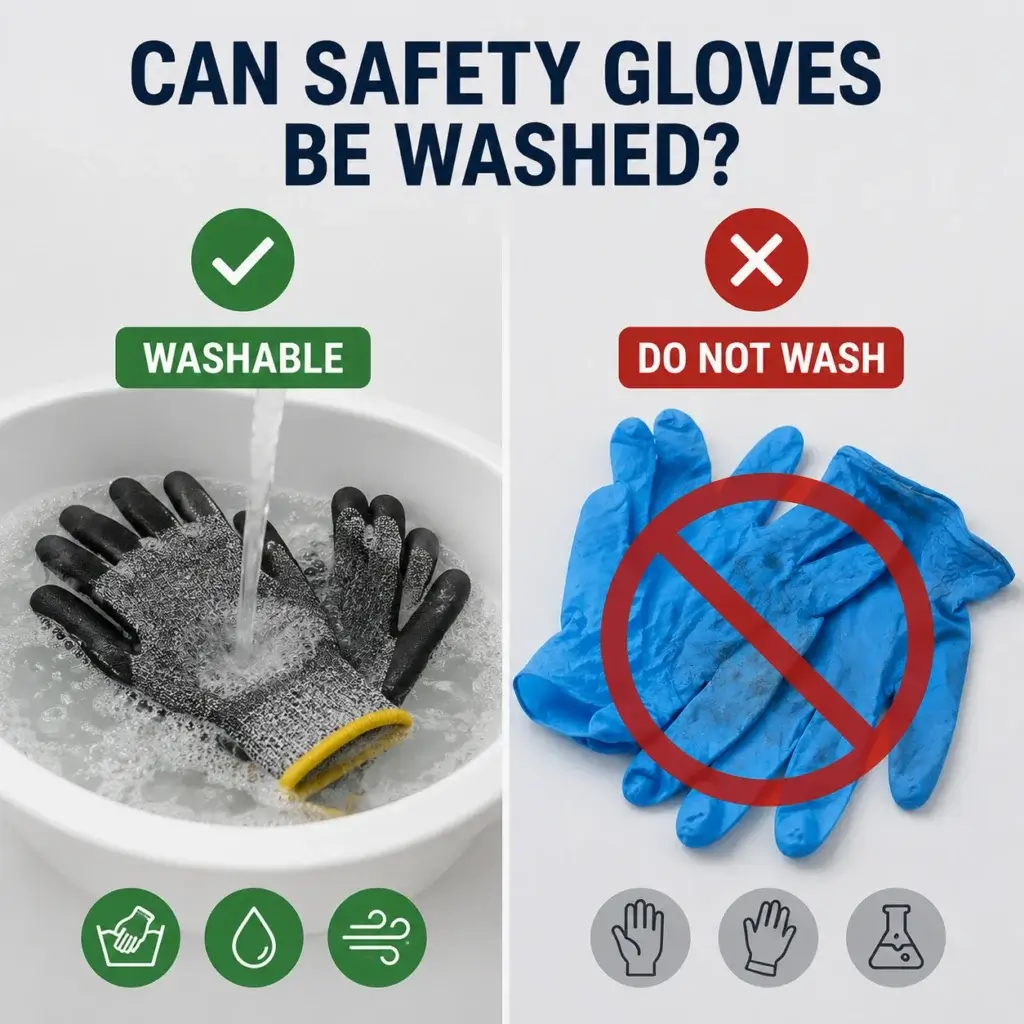
Can you wash safety gloves? It depends on the glove material and its intended use. This guide explains which protective gloves can be safely cleaned, proper washing methods, common mistakes to avoid, and when it’s time to replace worn or damaged gloves.
Smart PPE and Digital Workplace Safety: How Wearable Technology Is Transforming Worker Protection
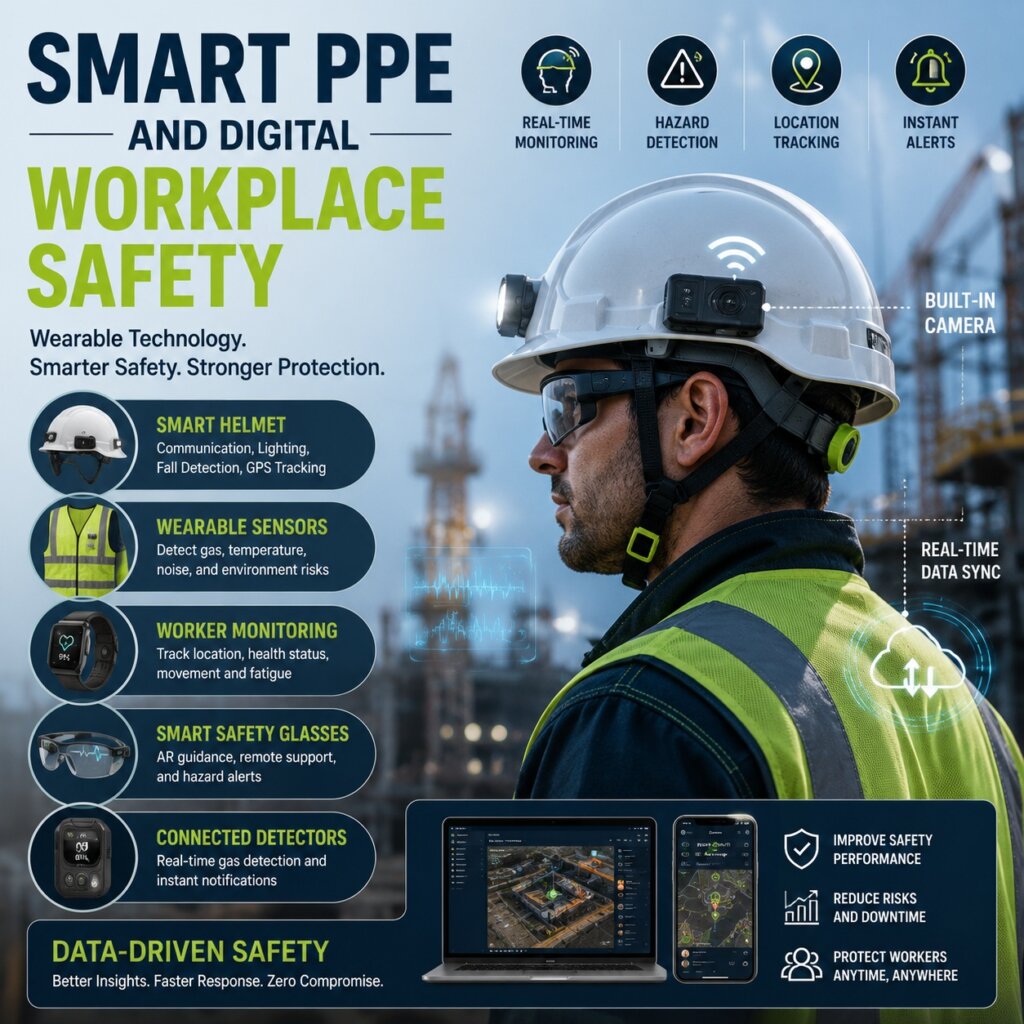
Smart PPE is transforming workplace safety by combining traditional protective equipment with digital technologies such as smart helmets, wearable sensors, and real-time worker monitoring. These innovations help improve hazard detection, emergency response, and operational efficiency, enabling businesses to build safer, smarter, and more connected workplaces.
Sustainable PPE: The Future of Eco-Friendly Safety Equipment
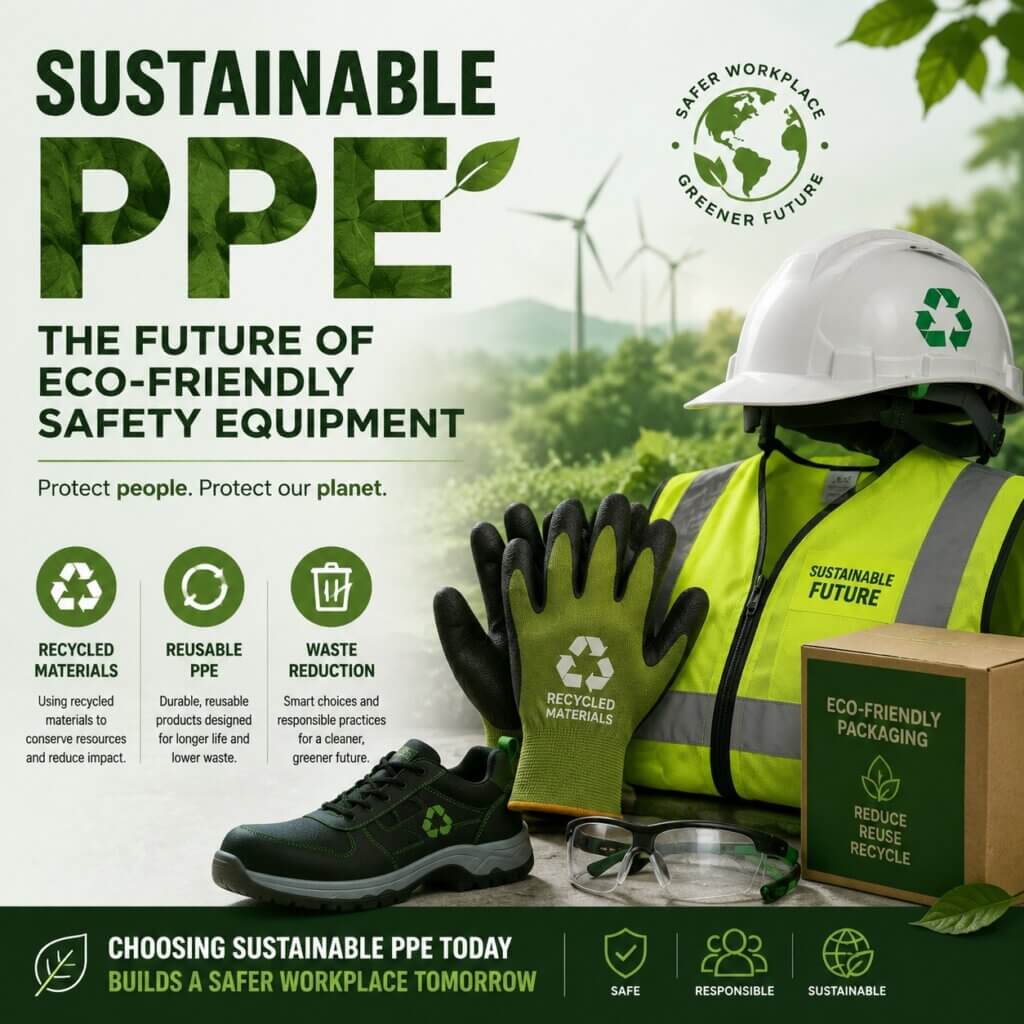
Sustainable PPE helps organizations protect workers while reducing environmental impact. By choosing recycled materials, reusable PPE, durable products, and eco-friendly packaging, businesses can reduce waste, improve resource efficiency, and support long-term sustainability goals without compromising workplace safety.
Can PPE Be Reused? A Complete Guide to Reusable and Disposable PPE
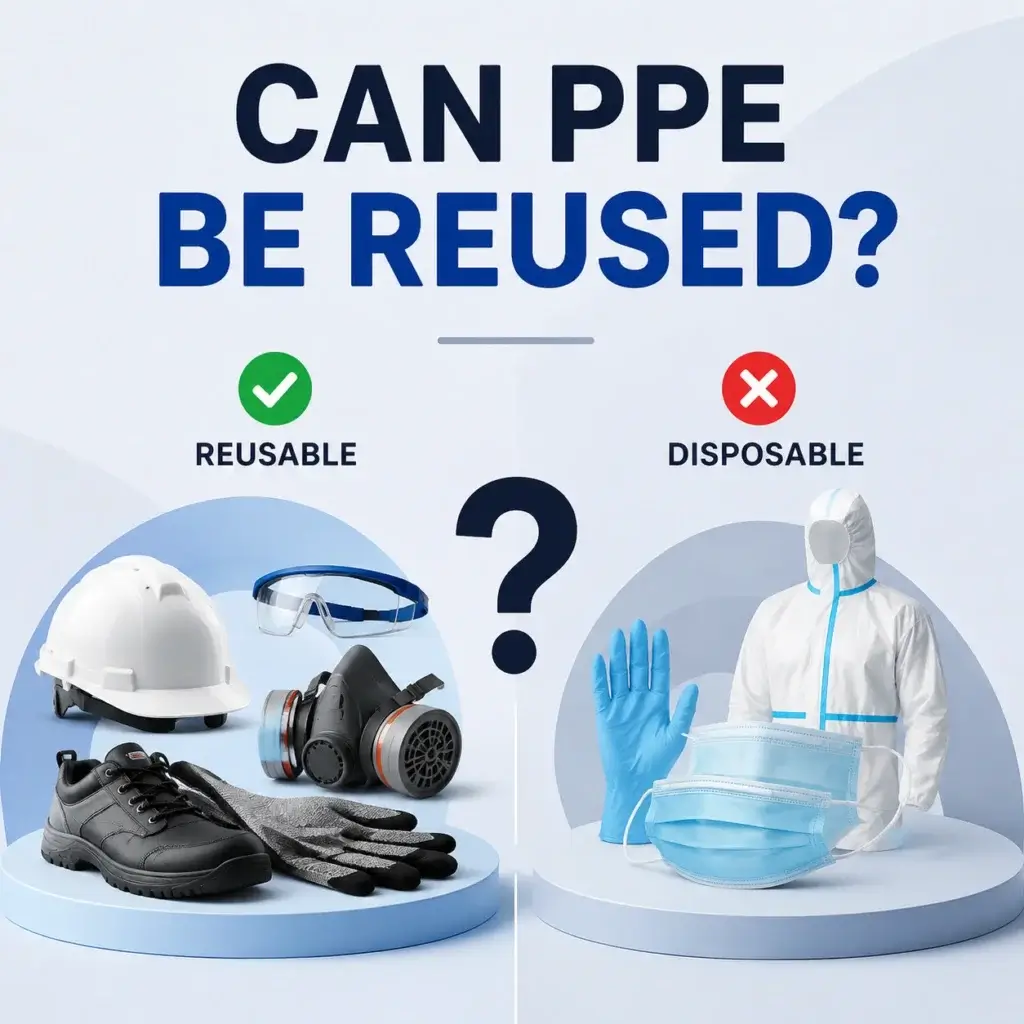
Can PPE be reused? It depends on the type of equipment. This guide explains the difference between reusable and disposable PPE, how to inspect protective equipment before reuse, and best practices for maintenance and replacement to ensure workplace safety.
