
TPR Impact-Resistant Gloves: Protection, Grip, and Buying Guide

Discover how TPR impact-resistant gloves help protect hands in industrial environments. Learn about impact protection standards, grip, durability, and how to choose the right safety gloves for your workplace.
EN 16523 Explained: Chemical Permeation Testing for Protective Gloves
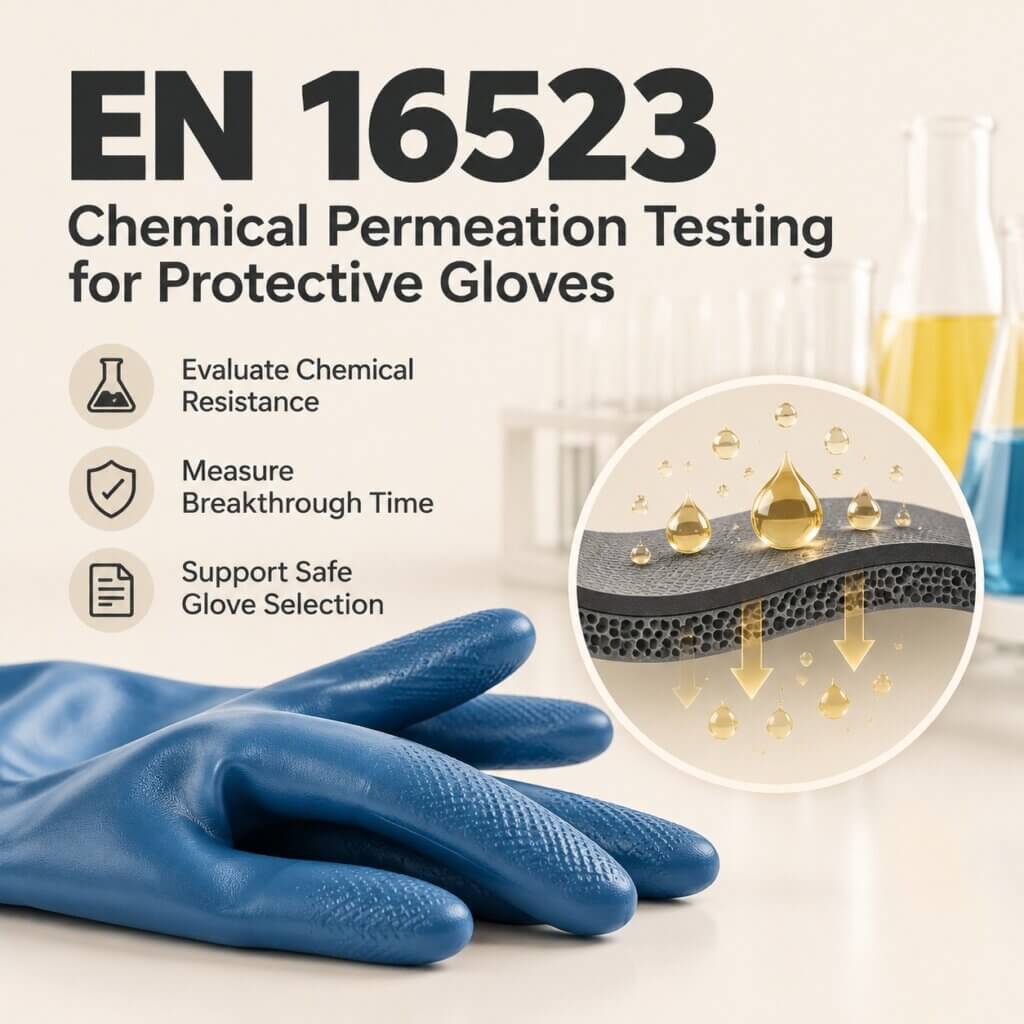
Learn what EN 16523 means, how chemical permeation testing works, and what buyers should check when sourcing chemical-resistant gloves.
PFAS-Free PPE: What Buyers Need to Know in 2026
Learn what PFAS-free PPE means, how to verify supplier claims, and what buyers should check when sourcing protective clothing, gloves, and safety equipment.
Fire Extinguisher Supplier in China: A Guide for Global Buyers
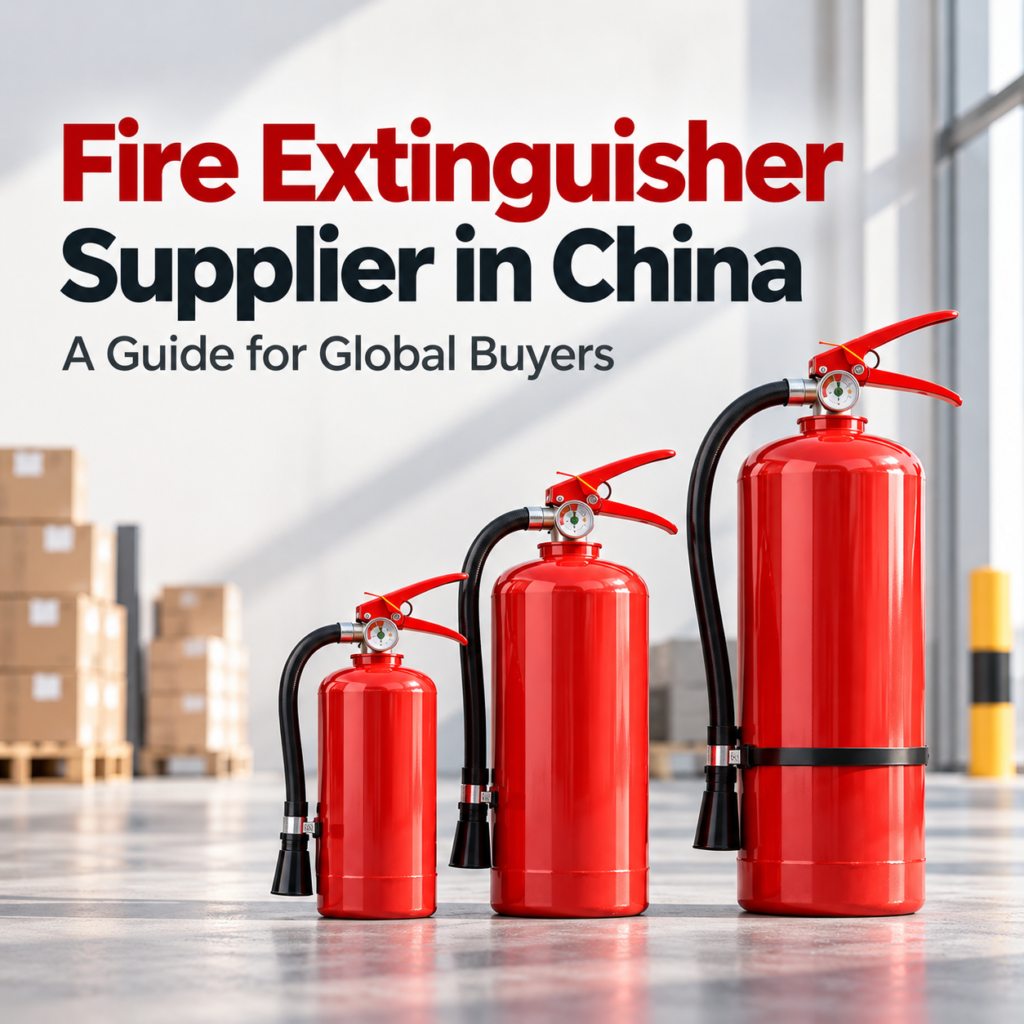
Discover how to source fire extinguishers from China. This guide covers product types, supplier evaluation, certification, quality checks, shipping, and RFQ preparation for global buyers.
How to Prepare a PPE RFQ for International Suppliers
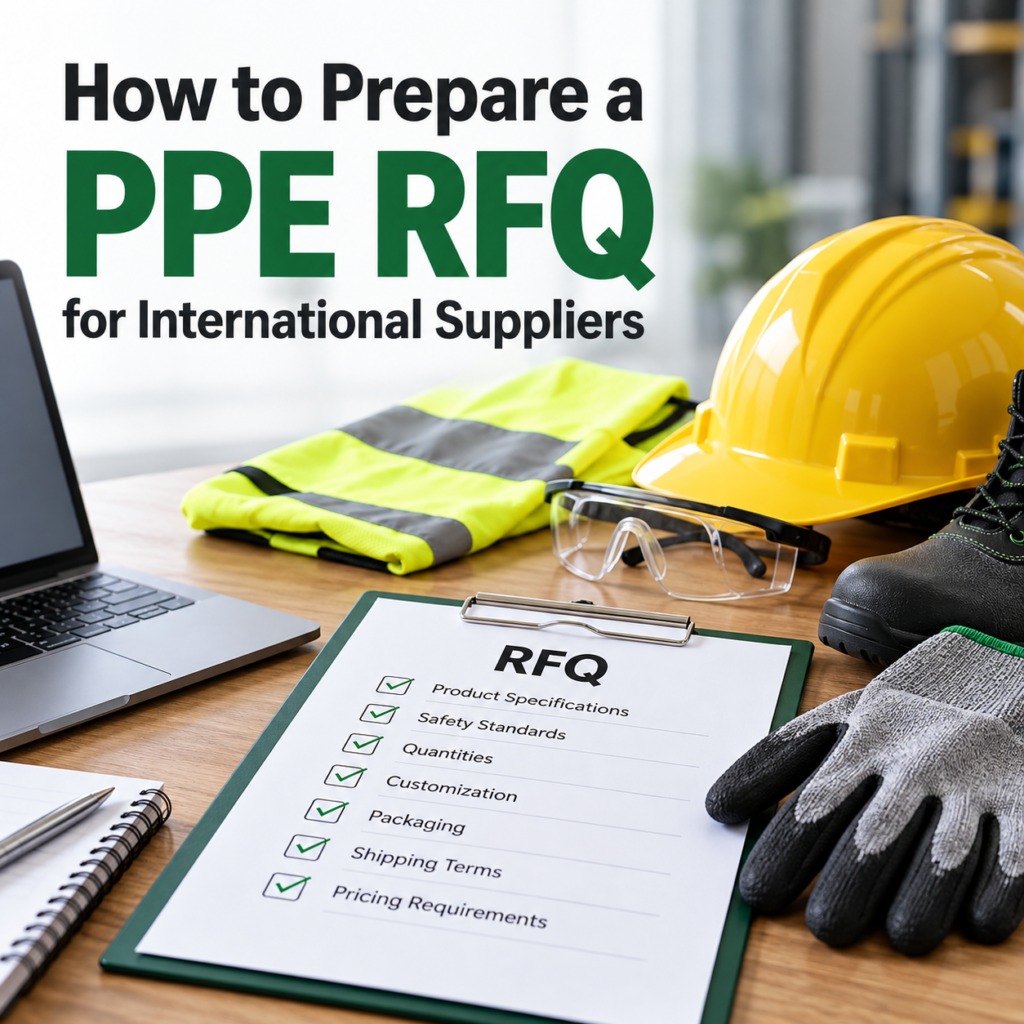
Learn how to prepare an effective PPE RFQ for international suppliers. Discover what to include in product specifications, quantities, safety standards, customization, packaging, shipping terms, and pricing requirements to obtain accurate quotations and make informed purchasing decisions.
PPE MOQ Explained: How Minimum Order Quantities Affect Your Purchase
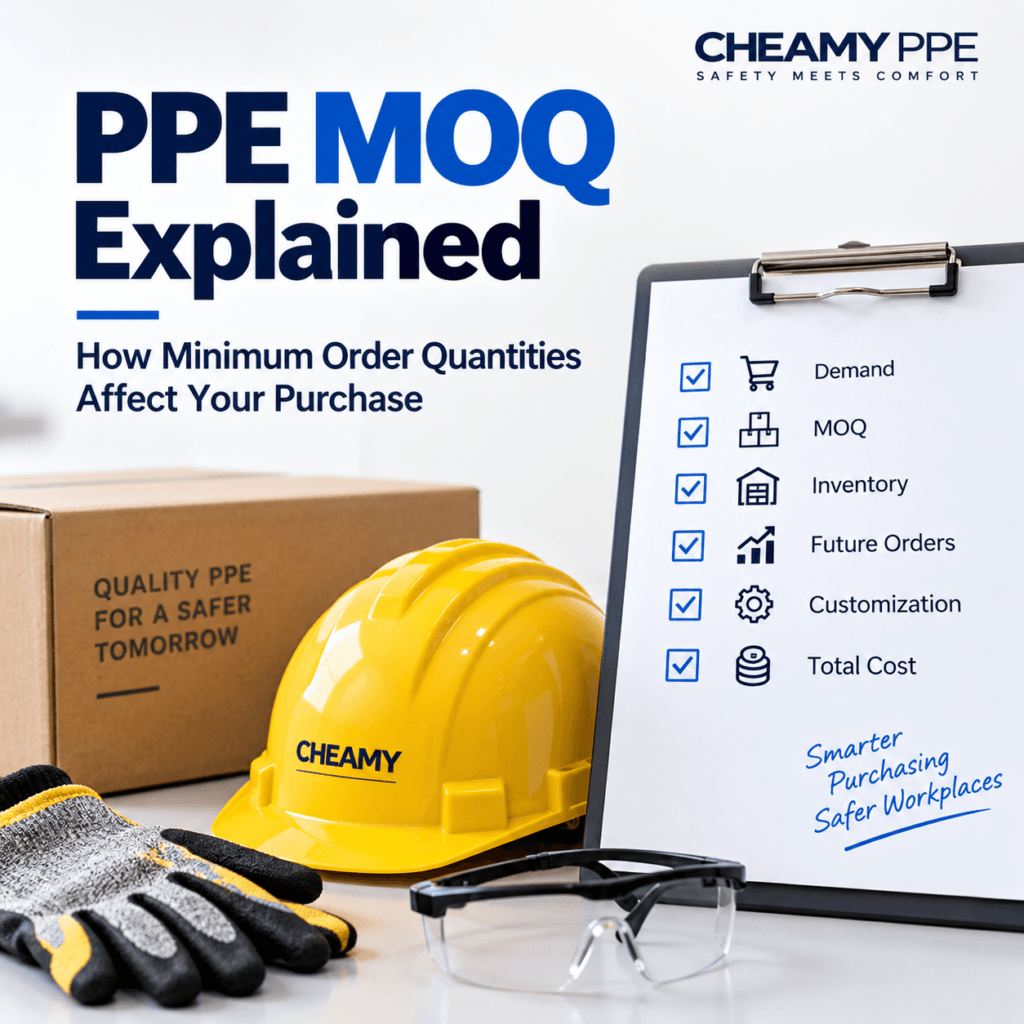
A practical guide to choosing the right PPE order quantity based on demand, inventory, future requirements, customization, and purchasing plans.
How Long Does a Safety Helmet Last? A Practical Guide to Inspection and Replacement
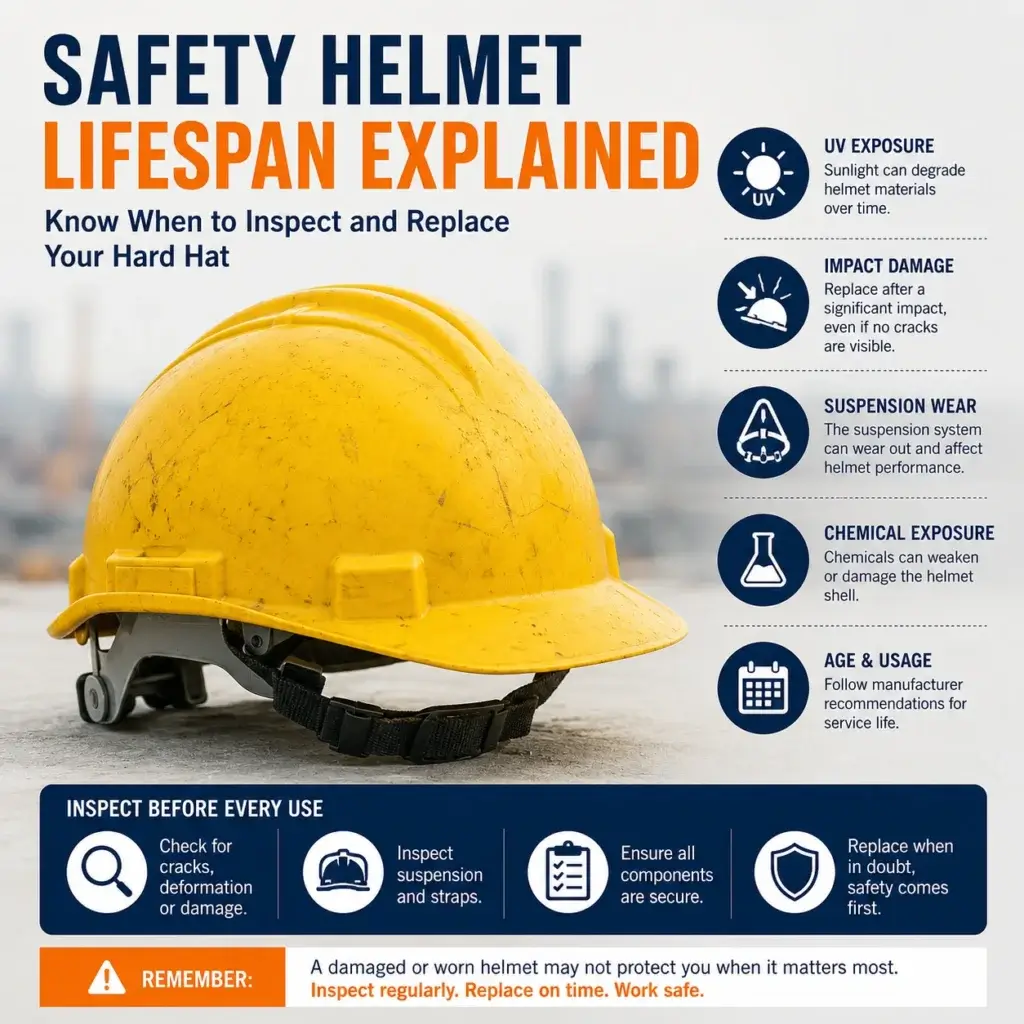
Learn how to determine when a safety helmet should be replaced. This practical guide explains helmet lifespan, UV exposure, impact damage, suspension wear, inspection points, storage, and PPE replacement best practices.
EN 407 Explained: How to Choose Protective Gloves for Thermal Risks

EN 407 defines performance requirements for protective gloves against thermal risks, including flame, contact heat, convective heat, radiant heat, and molten metal. This guide explains how to read EN 407 ratings and choose heat-resistant gloves based on the actual workplace hazards, exposure conditions, and protection requirements.
EN 388 Explained: How to Read the Mechanical Protection Rating on Safety Gloves

Learn how to read EN 388 safety glove ratings, including abrasion, cut, tear, puncture, impact, and A–F cut resistance, and choose the right mechanical protection based on workplace hazards.
EN 13034 vs EN 14605: How to Choose the Right Chemical Protective Clothing
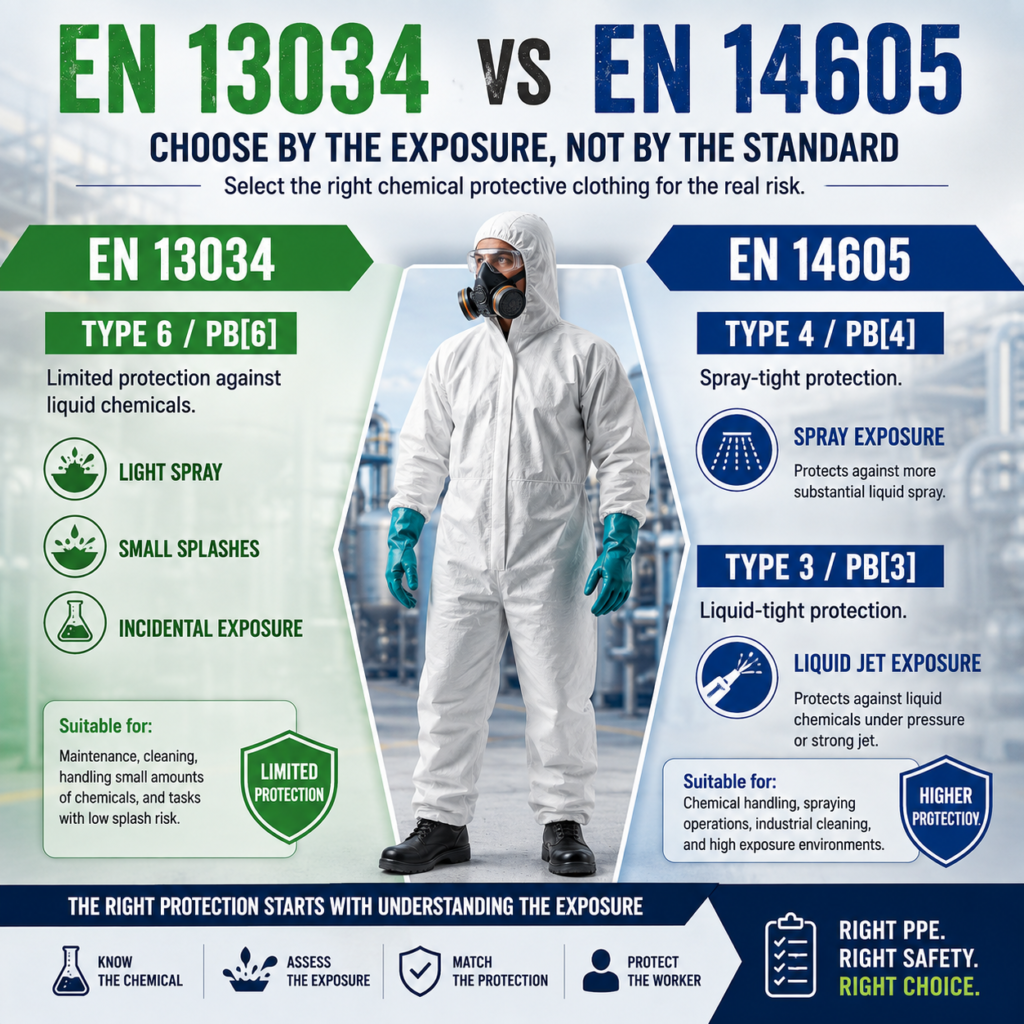
Learn the key differences between EN 13034 and EN 14605, including Type 6, Type 4 and Type 3 chemical protective clothing, and how to choose the right protection based on chemical exposure.
EN 1149-5 Explained: Why Antistatic Clothing Is More Than Just the Fabric
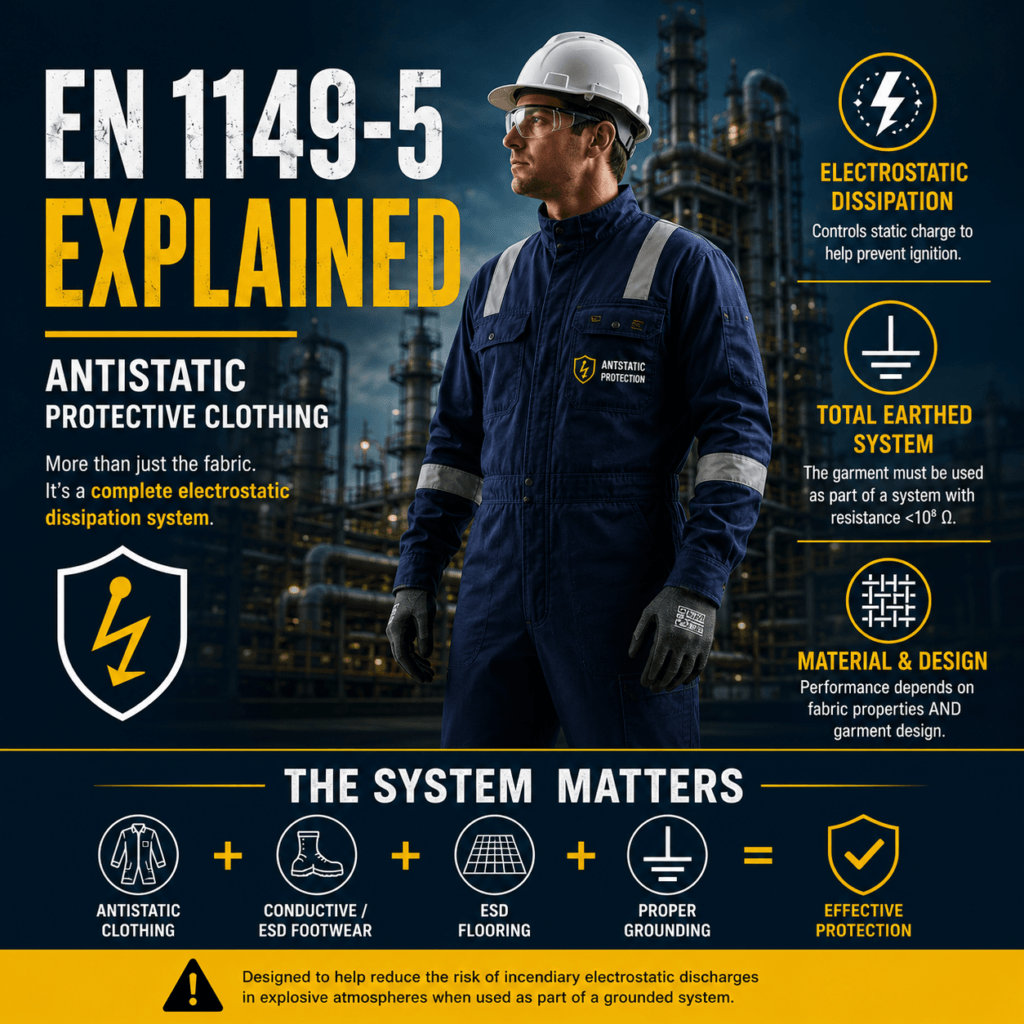
Learn what EN 1149-5 means, why antistatic clothing is more than just the fabric, and how electrostatic dissipation, grounding, garment design, and workplace hazards affect the selection of protective workwear.
Beyond the Reflective Stripes: How to Choose EN ISO 20471 High-Visibility Workwear
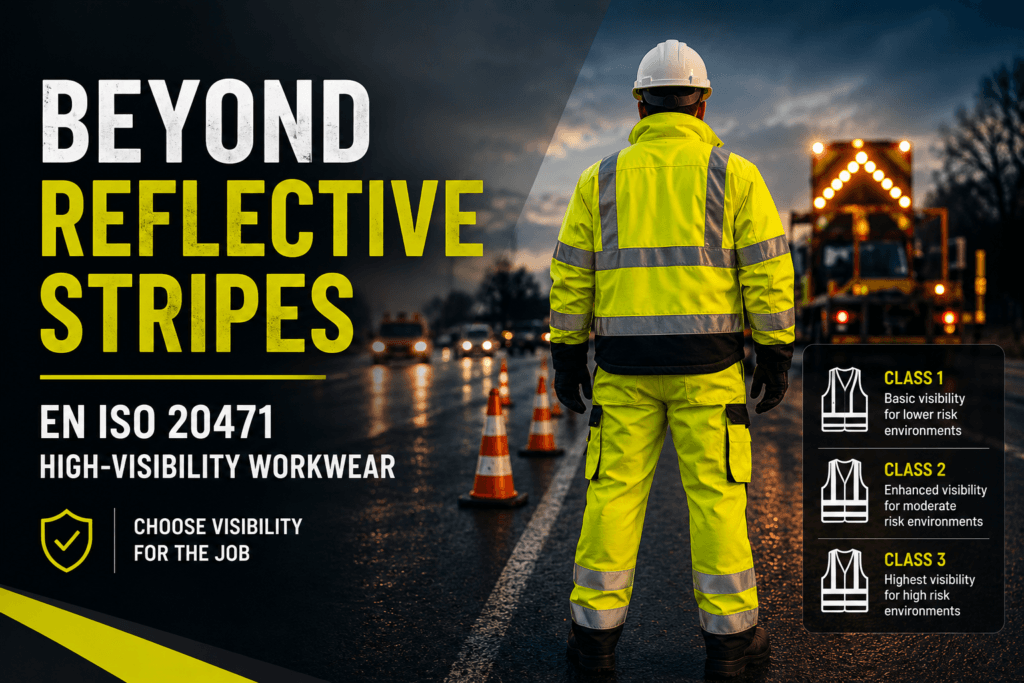
Learn how to choose the right EN ISO 20471 high-visibility workwear based on workplace risks, visibility class, garment design, customization, comfort, and additional protection requirements.