
HDPE vs ABS Safety Helmets: Which Material Is Right for Your Workplace?
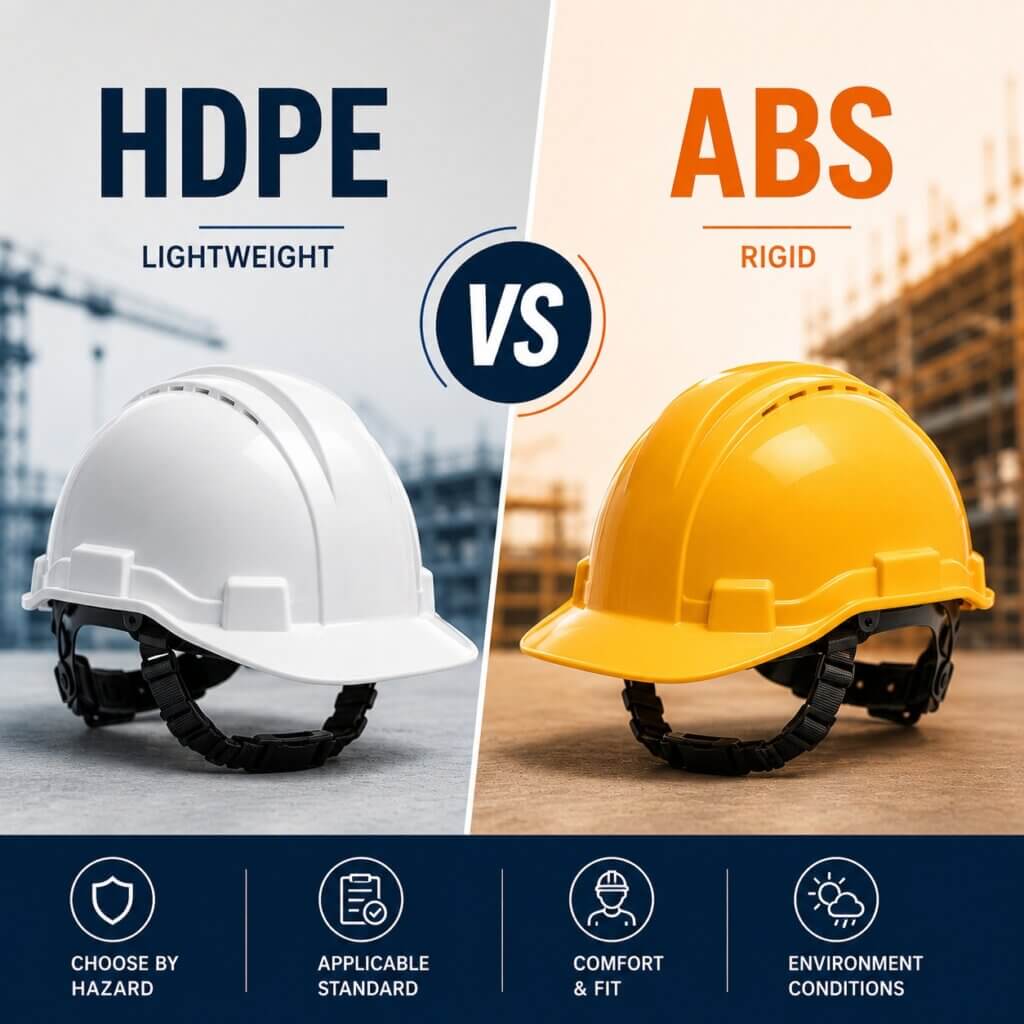
HDPE and ABS are two widely used materials for industrial safety helmets. Learn how their characteristics differ and how to choose the right helmet based on workplace hazards, standards, comfort, environment, and total cost.
EN 397 Safety Helmets Explained: What Buyers Need to Know Before Choosing a Helmet

Learn what EN 397 covers, including impact and penetration protection, optional performance requirements, helmet markings, and how to choose the right industrial safety helmet for different workplace hazards.
EN 407 Explained: How to Choose Protective Gloves for Thermal Risks

EN 407 defines performance requirements for protective gloves against thermal risks, including flame, contact heat, convective heat, radiant heat, and molten metal. This guide explains how to read EN 407 ratings and choose heat-resistant gloves based on the actual workplace hazards, exposure conditions, and protection requirements.
EN 388 Explained: How to Read the Mechanical Protection Rating on Safety Gloves

Learn how to read EN 388 safety glove ratings, including abrasion, cut, tear, puncture, impact, and A–F cut resistance, and choose the right mechanical protection based on workplace hazards.
EN 13034 vs EN 14605: How to Choose the Right Chemical Protective Clothing
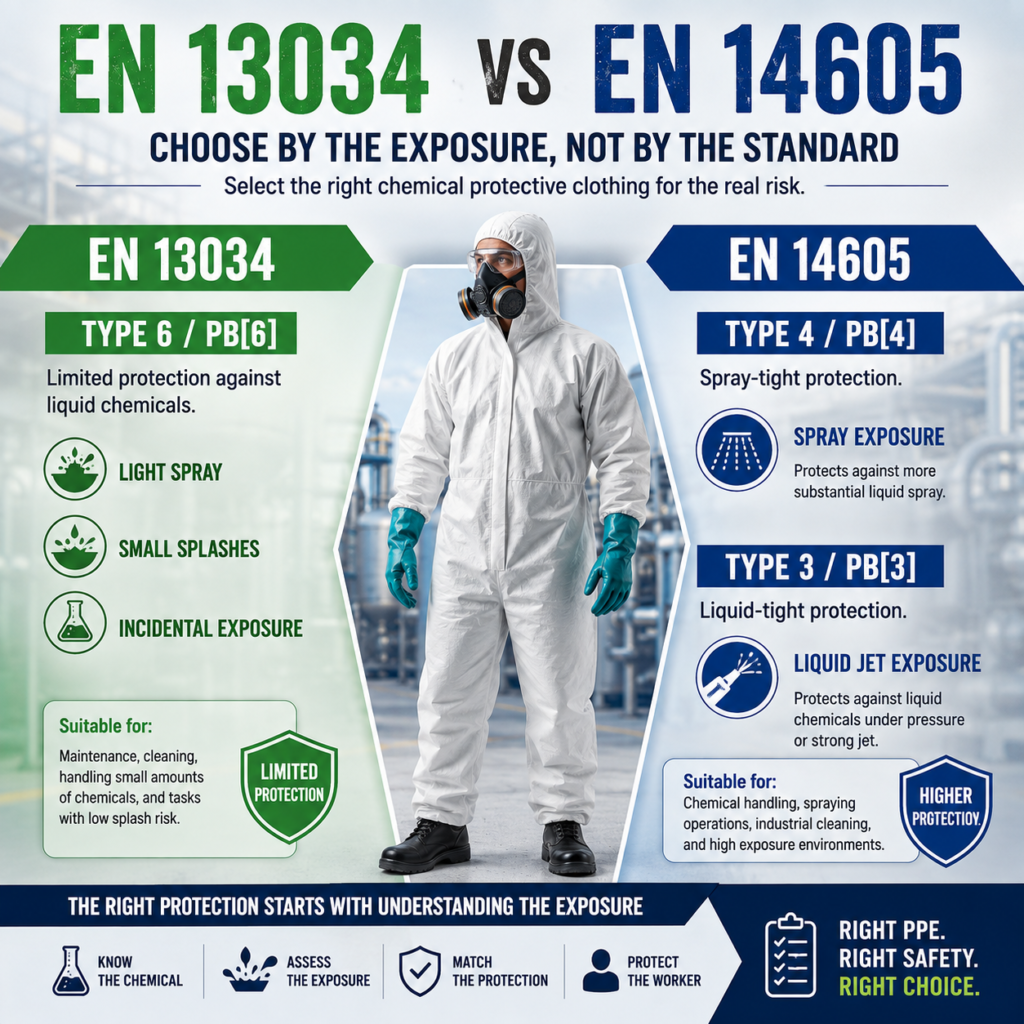
Learn the key differences between EN 13034 and EN 14605, including Type 6, Type 4 and Type 3 chemical protective clothing, and how to choose the right protection based on chemical exposure.
EN 1149-5 Explained: Why Antistatic Clothing Is More Than Just the Fabric
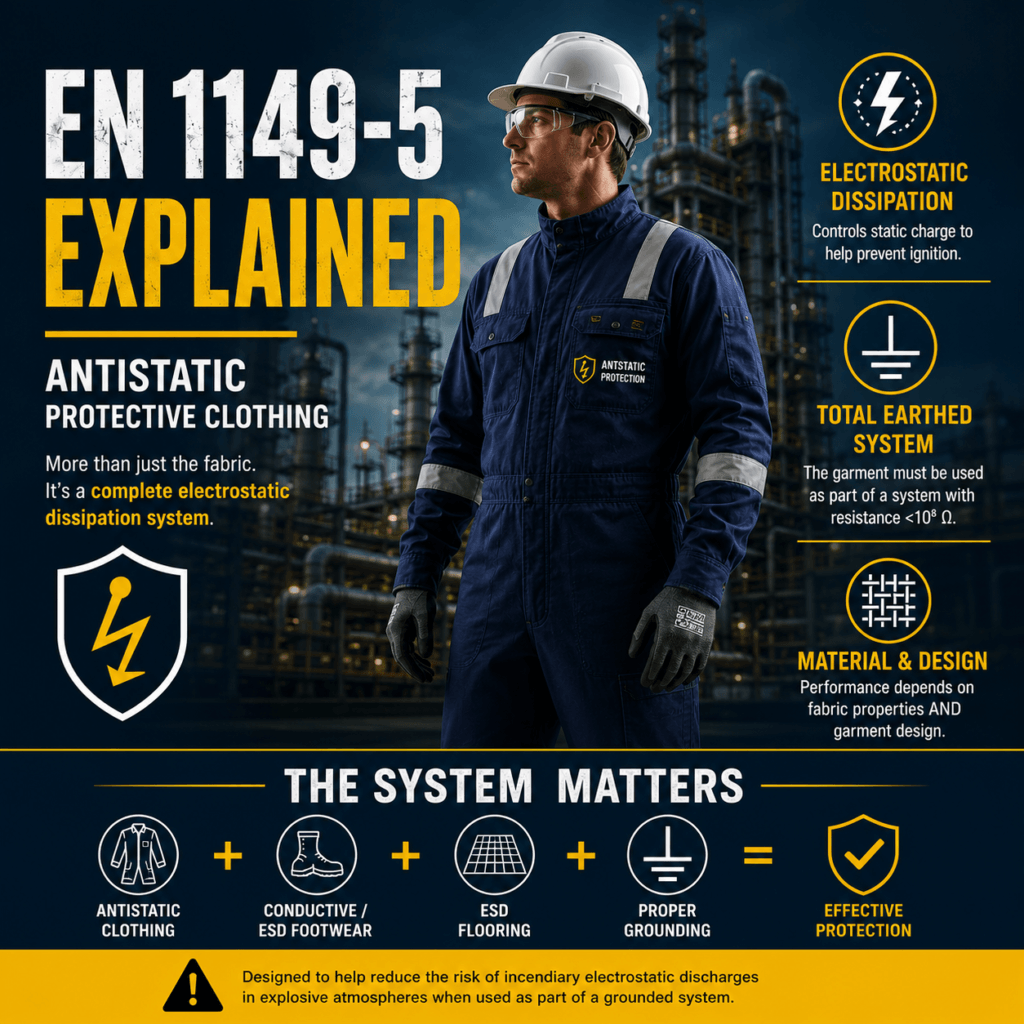
Learn what EN 1149-5 means, why antistatic clothing is more than just the fabric, and how electrostatic dissipation, grounding, garment design, and workplace hazards affect the selection of protective workwear.
Beyond the Reflective Stripes: How to Choose EN ISO 20471 High-Visibility Workwear
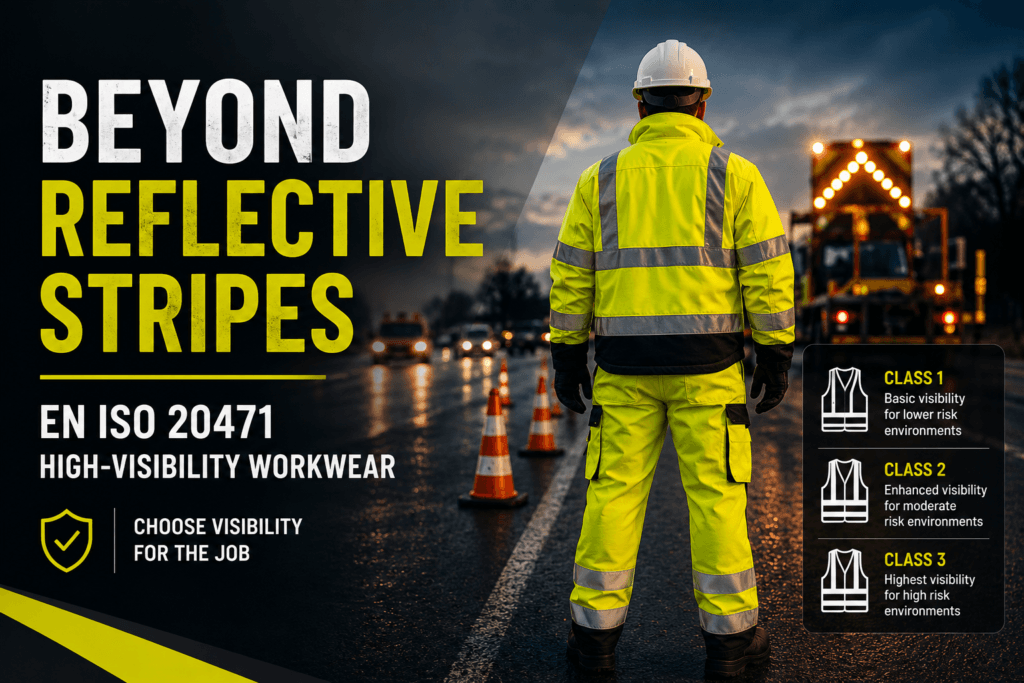
Learn how to choose the right EN ISO 20471 high-visibility workwear based on workplace risks, visibility class, garment design, customization, comfort, and additional protection requirements.
What PPE Is Required for Electrical Work? Essential Protection for Electrical Safety
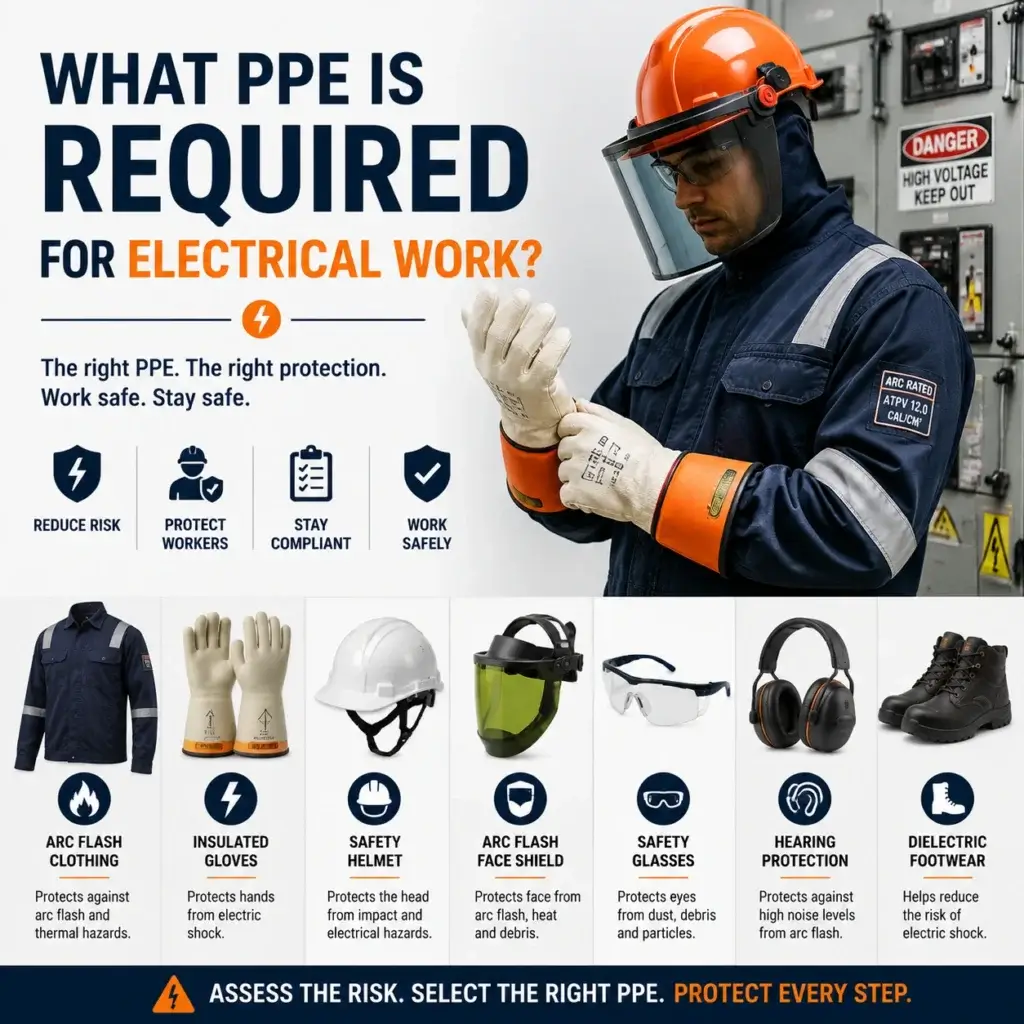
What PPE is required for electrical work? This guide explains the essential personal protective equipment for electricians and electrical workers, including arc-rated clothing, insulated gloves, safety helmets, face shields, dielectric footwear, and other protective gear needed to reduce the risk of electric shock and arc flash injuries.
How to Inspect PPE Before Use: A Simple Safety Checklist for Every Worker
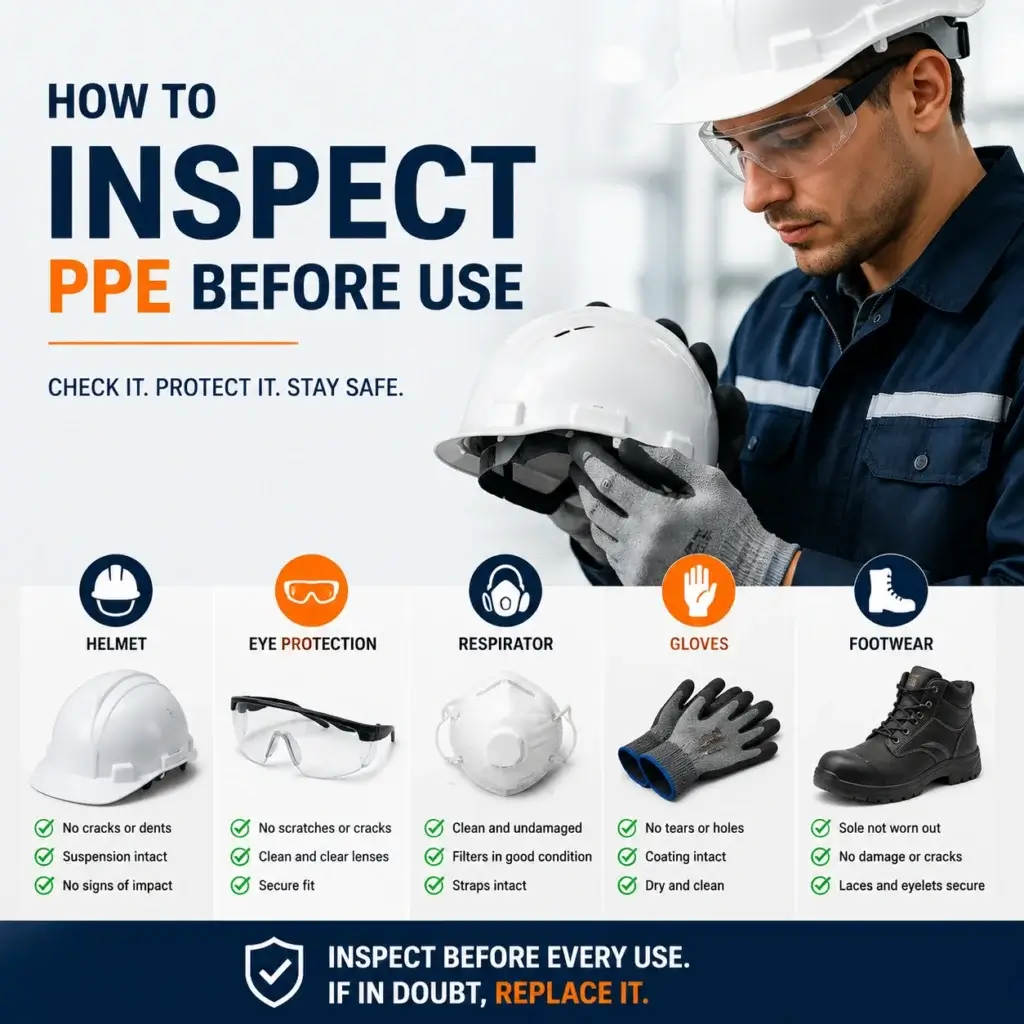
Inspecting PPE before every use is essential for workplace safety. This guide provides a simple PPE inspection checklist, explains how to examine safety helmets, gloves, respirators, footwear, and protective clothing, and highlights the warning signs that indicate equipment should be replaced.
Why Does PPE Fail? 10 Common Reasons Personal Protective Equipment Doesn’t Protect Workers
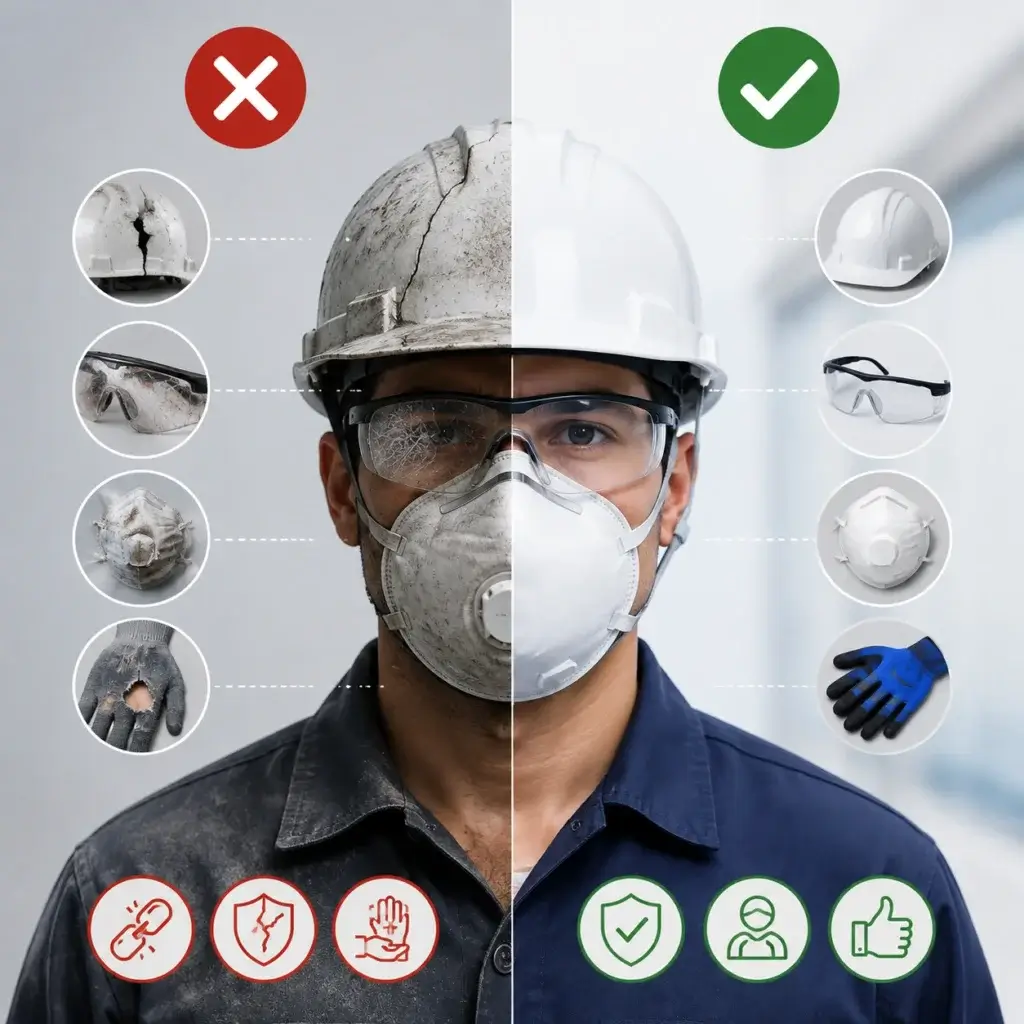
Why does PPE fail? In most cases, the problem is not the equipment itself but how it is selected, used, maintained, or replaced. This guide explores the most common causes of PPE failure and shares practical tips to improve workplace safety and ensure reliable personal protection.
What Is the Difference Between CE and ANSI PPE? A Complete Comparison Guide
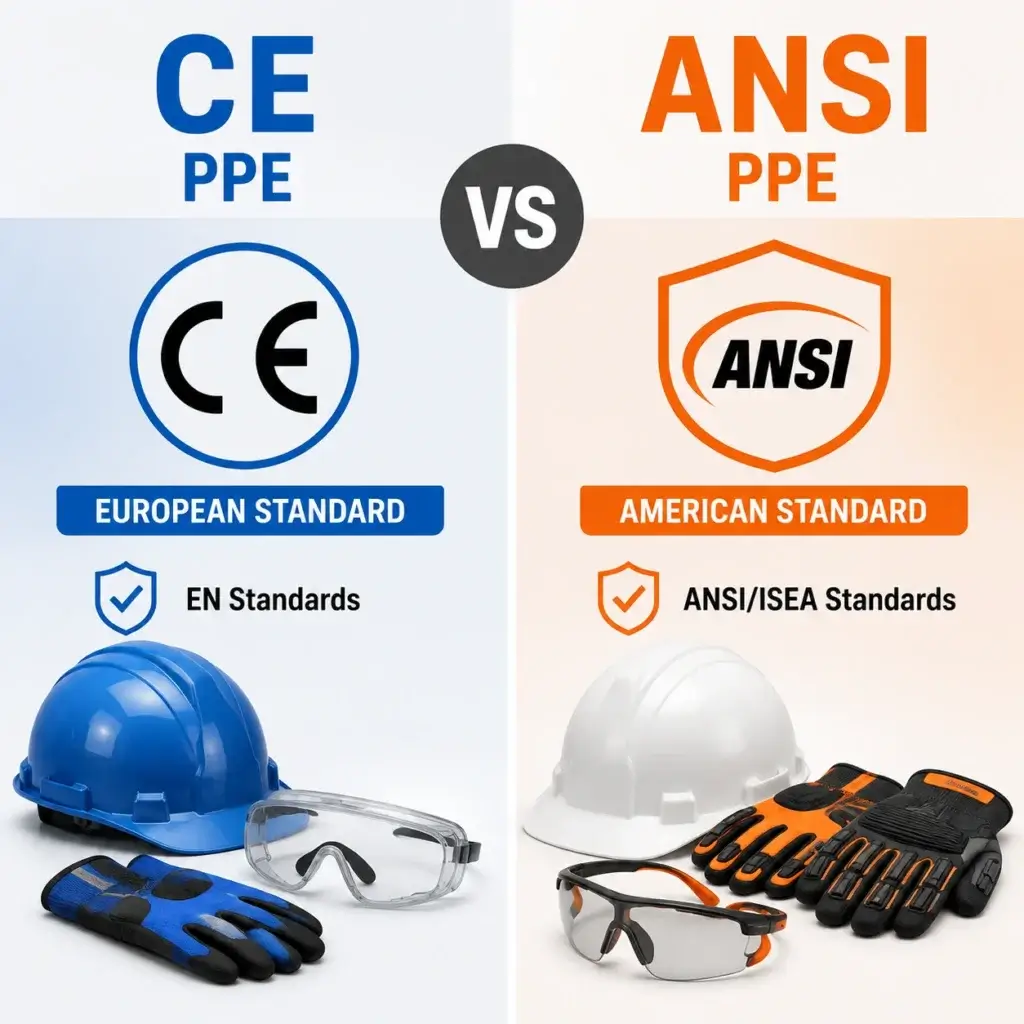
What is the difference between CE and ANSI PPE? This guide compares the two major safety standards, explains their certification systems, testing requirements, and regional applications, and helps buyers choose compliant PPE for Europe, the United States, and international markets.
Can Safety Gloves Be Washed? A Guide to Cleaning and Maintaining Protective Gloves
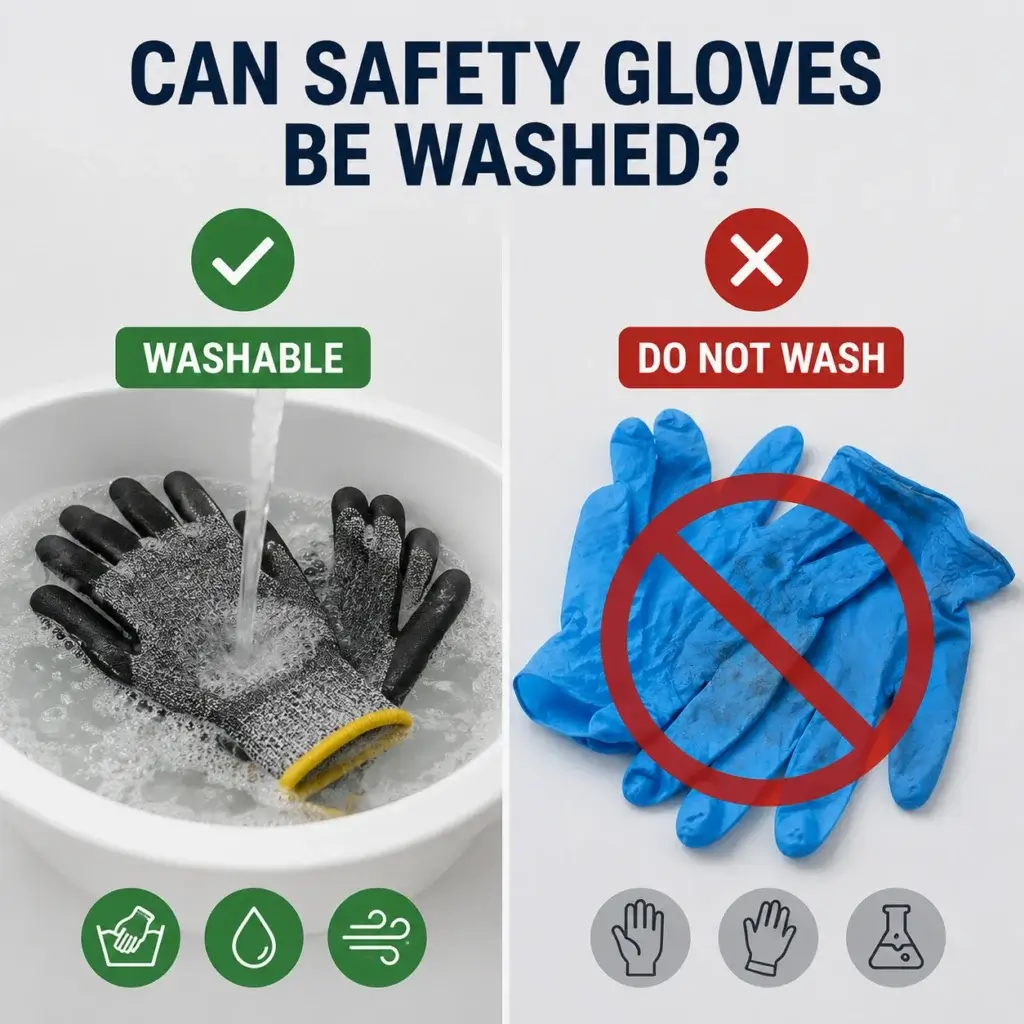
Can you wash safety gloves? It depends on the glove material and its intended use. This guide explains which protective gloves can be safely cleaned, proper washing methods, common mistakes to avoid, and when it’s time to replace worn or damaged gloves.